


In a groundbreaking advance that could fundamentally transform cancer treatment protocols, researchers from The University of Texas at Austin and UT MD Anderson Cancer Center have uncovered a surprising mechanism by which certain chemotherapy drugs activate the immune system to attack cancer cells. Traditionally, chemotherapy has been viewed as a blunt-force weapon aimed at obliterating cancer cells indiscriminately—a scorched-earth approach that often inflicts collateral damage on patients’ immune systems. However, this new discovery might shift the paradigm, revealing that chemotherapy can do much more than directly kill cancer cells; it can prime the immune system by making cancer cells impersonate virus-infected cells, triggering an immune assault.
This insight emerged during investigations into a novel chemotherapeutic agent, referred to by the researchers as Compound 1. This experimental drug functions by promoting the accumulation of reactive oxygen species (ROS) within cancer cells. ROS are highly reactive molecules that can induce oxidative stress and damage cellular components. Interestingly, the treated cancer cells began to emit distress signals remarkably akin to those released by cells actually infected by viruses. This mimicry of viral infection elicited a potent immune response in laboratory mice.
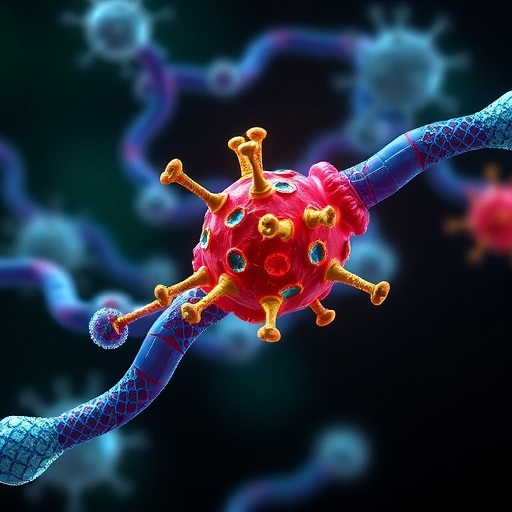
The phenomenon observed was termed “viral mimicry.” This is a state where cancer cells, though not infected by any virus, give off molecular cues resembling those of virally infected cells. The immune system, equipped to recognize and eliminate infected cells, perceives these mimicking cancer cells as threats, thereby breaking the usual state of “self-tolerance” that prevents it from attacking the body’s own tissues. This phenomenon effectively “unmasks” tumors, compelling the immune system to act aggressively against them.
When treated cancer cells were introduced into mice, the animals’ immune systems responded robustly as if dealing with a viral infection, marking these cells for destruction. Most strikingly, this immune activation persisted beyond the initial exposure; the mice’s immune systems remained vigilant and continued to target subsequently introduced untreated cancer cells. This prolonged immune readiness suggests a form of immunological memory or sustained activation prompted by the viral mimicry.
Brent Iverson, a chemistry professor at UT Austin and co-author on the study, described the mystery that has long puzzled scientists: why some chemotherapies unexpectedly evoke immune responses despite the general principle of immune self-tolerance. The discovery that chemotherapy can convert cancer cells into viral mimics offers a coherent explanation. The cancer cells essentially “trick” the immune system into perceiving them as foreign invaders rather than self, prompting immune attack.
Existing chemotherapeutic agents known to induce immunogenic cell death—a type of cell demise that triggers immune responses—might operate through similar viral mimicry mechanisms. However, the researchers emphasize that further studies are needed to confirm this hypothesis. Should this be validated, it would present enormous implications for how chemotherapy regimens are optimized and combined with other immune-based therapies.
In contrast to conventional chemotherapy’s high-dose, high-toxicity model, this research points toward a more nuanced approach where lower doses could be utilized strategically to harness immune activation while minimizing harm to the patient’s immune system. Jonathan Sessler, a cancer survivor and one of the study’s co-authors, underscored the clinical promise of this concept, suggesting that “less might be more” when it comes to chemotherapy dosing.
The team is now embarking on broader screening efforts to assess whether other chemotherapy drugs can similarly induce viral mimicry. They aim to identify specific drugs or combinations that most effectively engage the immune system without overdamaging it. One promising avenue involves pairing chemotherapy with immunotherapy—another treatment modality that directly stimulates immune responses against cancer cells. By optimizing the timing and dosage of such combinations, therapeutic outcomes might be significantly improved.
Matthew Levine, a graduate student leading the research, elaborated on the potential clinical ramifications of their findings. If viral mimicry activation is indeed the key mechanism, treatment regimens could be tailored not only to target tumors but to orchestrate a sustained immune response that prevents recurrence and resistance development. Lower, immune-sparing dosing strategies might reduce the need for multiple cycles of chemotherapy, limiting the chances for tumor cells to evolve resistance.
This research might also provide insights into why patients show widely varying responses to identical chemotherapy treatments. Variability in individual immune system status, extent of immune cell preservation post-treatment, and differential capacity of drugs to induce viral mimicry could all contribute to treatment efficacy disparities. The researchers are seeking collaborations to analyze patient samples to correlate survival outcomes with biomarkers indicative of viral mimicry activation during chemotherapy.
From a mechanistic perspective, the concept of cancer cells emitting viral mimicry signals is compelling. The stress imposed by ROS accumulation seems to activate pathways within cancer cells that lead to the expression of pattern recognition receptor agonists, such as double-stranded RNA or other nucleic acid species resembling viral genomes. These molecular patterns are detected by the immune system’s antiviral sensors, including the RIG-I-like receptors and cGAS-STING pathway, effectively flagging cancer cells as infected.
Understanding this interplay deepens our grasp of tumor immunology, revealing an intricate crosstalk whereby chemotherapy-induced cellular stress dovetails with innate immune sensing mechanisms. This synergistic coupling between drug cytotoxicity and immune activation may pave the way for designing next-generation therapies that are both efficacious and less deleterious to patients’ overall health.
The study represents a significant leap toward integrating chemical and immunological strategies in cancer therapy. It challenges the dogma that chemotherapy and immunotherapy are mutually exclusive or sequential options, instead advocating for combinatorial and dosage-optimized regimens that exploit viral mimicry phenomena. By strategically waking the immune system against tumors, future cancer treatments might achieve more durable remissions with reduced side effects.
In conclusion, this pioneering research opens exciting new avenues for cancer treatment by elucidating a viral mimicry mechanism underlying chemotherapy-induced immune responses. It offers hope for less toxic, more targeted therapeutic options that engage the body’s own defenses to fight malignancies. As investigations continue, the prospect of refined chemo-immunotherapy combinations holds promise for transforming clinical oncology and improving patient quality of life worldwide.
Cite Scienmag News
Nathaniel Bowman. (March 11, 2026). New Chemotherapy Candidate Harnesses the Body’s Natural Defenses. Scienmag. https://scienmag.com/new-chemotherapy-candidate-harnesses-the-bodys-natural-defenses/
Nathaniel Bowman. "New Chemotherapy Candidate Harnesses the Body’s Natural Defenses." Scienmag, 11 March 2026, https://scienmag.com/new-chemotherapy-candidate-harnesses-the-bodys-natural-defenses/. Accessed 3 September 2026.
Nathaniel Bowman. "New Chemotherapy Candidate Harnesses the Body’s Natural Defenses." Scienmag. March 11, 2026. https://scienmag.com/new-chemotherapy-candidate-harnesses-the-bodys-natural-defenses/


