

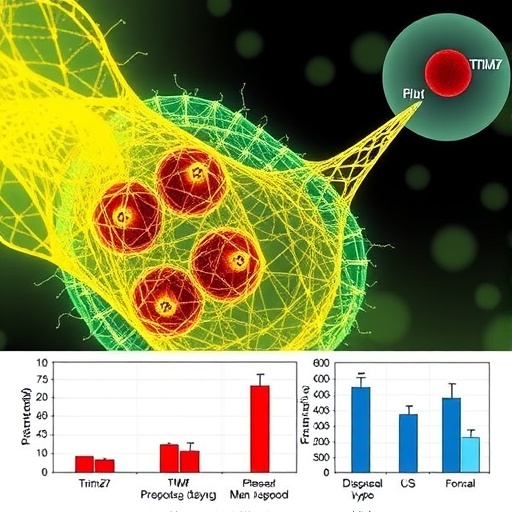
In a landmark study published in 2026, researchers have unveiled a groundbreaking mechanism implicating TRIM27-controlled endothelium-derived exosomes in the pathogenesis of podocyte injury within diabetic kidney disease (DKD). This discovery provides vital insights into how cellular communication at the molecular level exacerbates renal damage in diabetes, deepening our understanding of the microvascular complications driving kidney failure. The elucidation of this novel pathway holds potential for transformative therapeutic interventions targeting early stages of diabetic nephropathy.
Diabetic kidney disease, a major microvascular complication of diabetes mellitus, remains a leading cause of end-stage renal disease worldwide. Characterized by progressive glomerulosclerosis and podocyte loss, the precise cellular and molecular underpinnings contributing to its development have been elusive. Podocytes, specialized epithelial cells critical for maintaining the glomerular filtration barrier, are particularly vulnerable to injury in hyperglycemic conditions. Despite extensive research into metabolic and hemodynamic factors, the role of intercellular communication mediated by extracellular vesicles has only recently garnered attention.
Exosomes, nanometer-sized vesicles secreted by various cell types, have emerged as pivotal mediators of intercellular signaling. Carrying a cargo of proteins, lipids, and nucleic acids, exosomes modulate recipient cell function and phenotype. In the renal microenvironment, endothelial cells and podocytes exist in close proximity, facilitating cross-talk that can influence disease progression. The current study highlights how exosomes derived from endothelial cells, under the regulatory control of the tripartite motif-containing 27 (TRIM27) protein, orchestrate podocyte injury in diabetic conditions.
TRIM27, part of the TRIM protein family known for involvement in immune responses and cellular homeostasis, is identified here as a key modulator of exosome biogenesis and release in endothelial cells exposed to a diabetic milieu. Elevated glucose levels trigger TRIM27 activation, which in turn facilitates the production and secretion of exosomes enriched with pathogenic molecular signals. These vesicles traverse the glomerular basement membrane, delivering deleterious cargo directly to podocytes and initiating injury pathways.
Mechanistic investigations reveal that TRIM27-driven exosomes carry specific microRNAs and pro-inflammatory proteins that disrupt podocyte cytoskeletal integrity and promote apoptosis. The exosomal cargo interferes with critical signaling cascades within podocytes, including pathways governing cellular survival and actin dynamics. This molecular assault culminates in podocyte foot process effacement, loss of filtration barrier function, and albuminuria, hallmarks of early diabetic kidney damage.
The study employed cutting-edge RNA sequencing and proteomics to characterize the exosomal content, unveiling a distinct signature associated with TRIM27 activity. Functional assays demonstrated that inhibiting TRIM27 expression or blocking exosome uptake by podocytes mitigated injury markers, underscoring the centrality of this axis in DKD pathophysiology. These findings position TRIM27 as a compelling target for therapeutic intervention, potentially arresting podocyte damage before irreversible glomerular scarring ensues.
Moreover, the research expands our understanding of how endothelial cells—traditionally viewed as passive barrier entities—actively contribute to renal pathology via vesicular communication. This paradigm shift underlines the intricacy of the kidney microenvironment where intercellular dialogues dictate tissue homeostasis or degeneration. Targeting the exosomal communication system represents an innovative approach that goes beyond conventional glycemic control, aiming instead to disrupt the molecular crosstalk at the heart of diabetic complications.
The implications of these revelations reach far beyond diabetic kidney disease alone. Given the ubiquitous presence of TRIM proteins and the conserved mechanisms of exosome-mediated signaling, similar pathological processes may underlie other vascular and inflammatory disorders associated with diabetes. This opens avenues for broader application of TRIM27 modulation and exosome-targeted therapies in preventing organ damage caused by chronic metabolic diseases.
In clinical contexts, early detection of TRIM27 activity or exosomal biomarkers in patient urine or blood samples could serve as predictive indicators of podocyte injury, enabling timely intervention. The translational potential of such biomarkers could revolutionize DKD management by facilitating personalized medicine approaches tailored to individual molecular signatures rather than relying solely on conventional diagnostic parameters.
Future research will likely focus on developing small molecule inhibitors or biologics selectively targeting TRIM27 function in endothelial cells. Additionally, strategies to neutralize pathogenic exosomes or impede their interaction with podocytes may prove efficacious in preserving renal architecture and delaying disease progression. Validation of these approaches in preclinical models and clinical trials will be critical next steps in harnessing this discovery for patient benefit.
This study exemplifies the power of integrating molecular biology techniques with disease modeling to uncover fundamental pathological mechanisms. It also reinforces the importance of considering the kidney as a complex, interactive network where cell types reciprocally influence each other via sophisticated communication modalities. As such, targeting the intercellular exchange channels offers a promising frontier in combating diabetic nephropathy and potentially other complications stemming from diabetes.
In summary, the identification of TRIM27 as a central controller of endothelium-derived exosomes that drive podocyte injury marks a significant advance in diabetic kidney disease research. By delineating this critical pathogenic axis, the study opens transformative possibilities for novel diagnostics and therapeutics aimed at preserving kidney function in diabetes patients. The ripple effects of this discovery are poised to impact not only nephrology but broader fields concerned with chronic disease complications.
The potential to intervene at the level of exosomal communication between endothelial cells and podocytes provides a fresh perspective on disease modification, moving beyond symptom management towards addressing root causes. This innovative approach aligns with the growing emphasis on precision medicine and molecular targeting, ideally positioning clinicians and researchers to halt or reverse kidney damage triggered by diabetes with unprecedented efficacy.
As the global burden of diabetic kidney disease continues to rise, breakthroughs such as this offer hope for curbing the progression of renal failure and improving quality of life for millions worldwide. The strategic manipulation of TRIM27 and its exosome-mediated signaling pathways represents a promising frontier in the relentless quest to unravel and combat the complexities of diabetic complications.
Subject of Research:
Diabetic kidney disease pathogenesis focusing on the role of TRIM27-controlled endothelium-derived exosomes in podocyte injury.
Article Title:
TRIM27-controlled endothelium-derived exosomes play a central role in podocyte injury in diabetic kidney disease.
Article References:
Tian, Y., Liu, Y., Feng, X. et al. TRIM27-controlled endothelium-derived exosomes play a central role in podocyte injury in diabetic kidney disease. Cell Death Discov. (2026). https://doi.org/10.1038/s41420-026-02953-y
Image Credits: AI Generated
DOI: https://doi.org/10.1038/s41420-026-02953-y


