


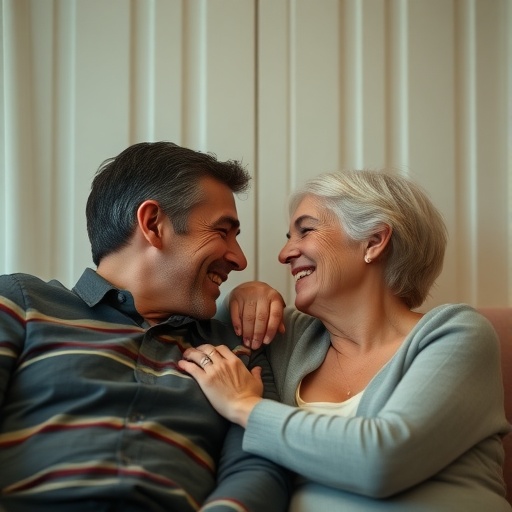
In a groundbreaking study conducted by the University of New Hampshire, long-standing stereotypes about aging and intimacy have been rigorously examined and profoundly challenged. This research reveals that a significant proportion of single adults aged between 60 and 83 actively prioritize sexual activity as an essential component of their romantic relationships. Contrary to the pervasive societal narrative that often marginalizes or desexualizes older adults, this study emphasizes the persistence of sexual desire and satisfaction throughout the later stages of life, highlighting the enduring role of physical intimacy in maintaining romantic bonds.
Lauren Harris, an assistant professor specializing in human development and family studies, notes the nuanced perspectives that emerged from the research participants. “Many individuals expressed that their relationships, in the absence of sexual engagement, bore a greater resemblance to friendships,” Harris remarks. This finding underscores the intrinsic link between sexual activity and romantic vitality for these older adults, who seek not only emotional connection but also physical expression of intimacy. The study elucidates that for many, sexual intimacy is not a peripheral aspect but rather a core pillar of their relational satisfaction and emotional fulfillment.
The research, detailed in the Journal of Sex Research, utilized in-depth interviews with a cohort of 100 single men and women who are active users of online dating platforms. These platforms provide a modern backdrop for older adults to seek companionship and romantic involvement, reflecting broader sociocultural changes in how relationships are formed in later life. Remarkably, 97% of participants valued sexual activity within a romantic context, and 72% reported a reluctance to pursue relationships devoid of sexual engagement. These statistics illuminate the critical importance older adults assign to maintaining a sexual dimension in their partnerships.
This study arrives at a pivotal time when demographic shifts have resulted in a burgeoning population of single older adults. Harris contextualizes this phenomenon by pointing out the increasing length of time older adults remain single, sometimes spanning decades rather than years as previously observed. This demographic reality compels a reevaluation of existing theories and assumptions about aging and romantic involvement, expanding the discourse to include the extended duration of singlehood and the evolving expectations surrounding later-life intimacy.
Physiological changes associated with aging often fuel assumptions that intimacy diminishes or becomes less satisfying. However, this study highlights a contrasting narrative: participants demonstrated an adaptive approach to sustaining sexual connection. Whether through medical interventions, redefinition of sexual intimacy, or adjustments in sexual frequency and intensity, older adults show a remarkable flexibility in preserving the physical dimension of their relationships. This adaptive capacity signifies a sophisticated integration of biological, psychological, and social factors in maintaining relational health.
Beyond the personal dimensions of sexual activity, the research addresses structural challenges within the dating milieu for older adults. Gender disparities emerge as a significant barrier, particularly for women, who statistically outnumber single men in these age cohorts. The resulting difficulties in partner availability influence dating dynamics and highlight systemic factors impacting opportunities for intimacy. This gender imbalance compounds the complexities of seeking romantic and sexual partnerships later in life, requiring innovative social and community support structures.
The implications of this research extend to public health and sexuality education for older adults. As rates of sexually transmitted infections increase within this demographic, the study advocates for more open and informed discussions on sexual health tailored to older populations. This emphasis on education and awareness aligns with broader efforts to enhance quality of life and wellbeing among aging individuals, promoting a holistic view of health that encompasses sexual and relational dimensions.
In addition to advancing academic understanding, the study challenges societal perceptions that often stigmatize or neglect the sexual lives of older adults. By demonstrating the continued importance of sexuality well into the eighth decade of life, the research invites cultural shifts toward greater acceptance and normalization of senior intimacy. This reframing can foster more supportive environments wherein older adults feel empowered to seek and enjoy fulfilling romantic experiences.
Technological factors, such as the utilization of online dating platforms, play an increasingly central role in the lives of these older adults. The integration of digital tools facilitates novel pathways for connection, overcoming traditional barriers imposed by mobility, social networks, or geographic limitations. This digital engagement exemplifies how technological innovation intersects with human development, enabling sustained romantic and sexual activity among aging populations.
The study’s methodology—qualitative interviews combined with robust sample representation—provides rich, nuanced insights into the lived experiences of older adults navigating romance and sexuality. It moves beyond quantitative metrics to explore the subjective meanings and emotional textures that characterize sexual relationships among this cohort. This approach paves the way for more empathetic and contextually grounded research, enhancing the depth of knowledge within human development disciplines.
Furthermore, the findings prompt consideration of the intersectionality of aging, gender, health status, and social context in shaping older adults’ sexual behaviors and relationship strategies. The adaptive approaches to intimacy highlighted by participants reveal a dynamic interplay between physiological realities and social expectations. The study thereby contributes to a more intricate and accurate mapping of older adult sexuality, with potential applications in clinical practice, counseling, and community programming.
Ultimately, this University of New Hampshire research marks a vital step in reshaping narratives around aging and intimacy. It accentuates the ongoing relevance of sexual connection, challenges ageist stereotypes, and calls for enhanced social and medical support for older adults seeking fulfilling relationships. As the population ages, such insights will be crucial in fostering inclusive, healthy, and vibrant later-life experiences that honor the complexity of human intimacy across the lifespan.
News Publication Date: February 26, 2025
Web References:
UNH Study on Older Adult Sexuality – Journal of Sex Research
Cite Scienmag News
Courtney Benton. (March 3, 2026). New Study Reveals Romance and Sexual Intimacy Thrive at Any Age. Scienmag. https://scienmag.com/new-study-reveals-romance-and-sexual-intimacy-thrive-at-any-age/
Courtney Benton. "New Study Reveals Romance and Sexual Intimacy Thrive at Any Age." Scienmag, 3 March 2026, https://scienmag.com/new-study-reveals-romance-and-sexual-intimacy-thrive-at-any-age/. Accessed 4 September 2026.
Courtney Benton. "New Study Reveals Romance and Sexual Intimacy Thrive at Any Age." Scienmag. March 3, 2026. https://scienmag.com/new-study-reveals-romance-and-sexual-intimacy-thrive-at-any-age/


