


A recent groundbreaking study published in JAMA Pediatrics reveals alarming disparities in birth outcomes rooted in poverty status, highlighting a troubling trend of worsening inequities, particularly in low birth weight infants. The research underscores the urgent need for targeted policy interventions to support vulnerable populations during pregnancy and childbirth, emphasizing that socioeconomic factors remain some of the most potent determinants of maternal and neonatal health.
The investigation analyzed extensive birth data, focusing on how poverty status affects the incidence of adverse birth outcomes across the United States. The results indicate that infants born to low-income families are significantly more likely to experience health complications related to low birth weight, a critical risk factor for infant mortality, chronic conditions, and impaired development. Notably, the study documents a troubling widening of these disparities over recent years, suggesting that current social and health systems may be failing to protect economically disadvantaged populations effectively.
This widening gap points to profound systemic inequities that extend beyond the immediate clinical context. Low birth weight is a multifactorial phenomenon influenced by maternal nutrition, stress, access to prenatal care, environmental exposures, and social determinants of health—factors disproportionately affecting low-income families. The research suggests that addressing poverty directly through comprehensive antipoverty policies could mitigate these risks by providing crucial material support and reducing psychosocial stressors during pregnancy.
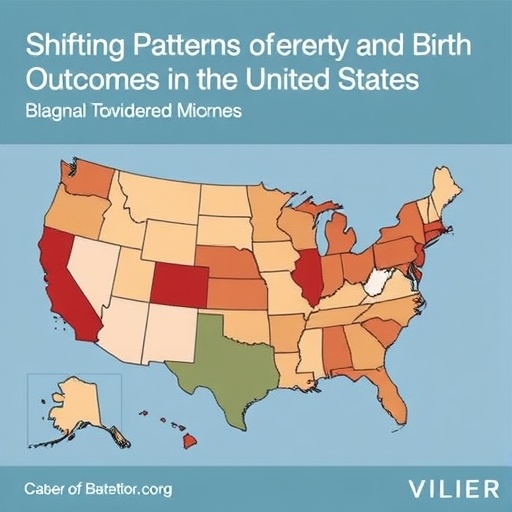
Antipoverty programs vary widely in availability and generosity across different states, illustrating a patchwork of social safety nets with uneven impact. States with more robust policies, including income supplementation, food assistance, and healthcare coverage, appear better equipped to buffer the deleterious effects of socioeconomic disadvantage on birth outcomes. Conversely, states with limited resources or restrictive eligibility criteria expose vulnerable populations to heightened risk, perpetuating intergenerational cycles of health inequity.
The corresponding author, Dr. Emily C. Dore of Harvard T.H. Chan School of Public Health, emphasizes the policy implications of the findings. “Our research confirms what social epidemiologists have long observed: poverty is deeply intertwined with poor maternal and child health outcomes. Investing in antipoverty measures and ensuring that pregnant women in low-income families have access to adequate support is imperative to breaking this cycle,” she stated.
Moreover, the study utilizes a rigorous epidemiological approach, controlling for confounding variables and employing recent data trends to establish the temporal increase in disparities. This robust analytic framework provides compelling evidence for policymakers, advocates, and healthcare providers to prioritize equity-focused interventions within the broader public health agenda.
Beyond statistical associations, the biological implications of low birth weight are profound. Infants born small relative to gestational age face heightened susceptibility to complications such as respiratory distress, impaired thermoregulation, and developmental delays. These early disadvantages cascade into lifelong health challenges, including increased risk for hypertension, diabetes, and cardiovascular disease in adulthood. Addressing disparities in birth weight is therefore not only a matter of neonatal health but also critical for long-term population well-being.
The study also highlights the intersectionality of poverty with other social determinants such as race, education, and environmental exposure. While poverty was the primary variable examined, underlying systemic issues like structural racism and residential segregation further exacerbate vulnerabilities, compounding the risk of adverse birth outcomes in marginalized communities.
Importantly, the authors call for comprehensive public health strategies that integrate social policy with clinical care. Enhancing prenatal care accessibility, nutritional programs, psychosocial support, and legal protections against discrimination can collectively reduce the burden of poverty-related disparities in birth outcomes.
The research adds to a growing body of evidence revealing the limits of purely medicalized approaches to improving maternal and child health without addressing the socioeconomic context. It encourages a shift toward holistic, cross-sectoral interventions that mobilize resources from health care, social services, education, and legislative arenas.
The findings arrive at a crucial time when debates on social equity and child well-being are intensifying nationally. They provide a compelling rationale for lawmakers to consider expanding antipoverty initiatives, including state and federal maternity supports, to promote healthier starts for all children regardless of family income.
In conclusion, this study provides a stark reminder that economic inequality manifests in some of the most fundamental health outcomes—those at life’s earliest stage. It calls for urgent societal commitment to equity and justice as indispensable components of public health strategy, with the promise of better futures for mothers and infants across the United States.
By framing poverty as a modifiable risk factor through public policy, the research advocates for transformative change that integrates science, social welfare, and governance. Only through such multidisciplinary efforts can entrenched disparities be eliminated and every child be afforded an equitable chance at a healthy life.
News Publication Date: Not specified in the provided content
Web References: Not provided (links were empty)
References: doi:10.1001/jamapediatrics.2026.0004
Cite Scienmag News
Harold Sullivan. (March 2, 2026). Shifting Patterns of Poverty and Birth Outcomes in the United States. Scienmag. https://scienmag.com/shifting-patterns-of-poverty-and-birth-outcomes-in-the-united-states/
Harold Sullivan. "Shifting Patterns of Poverty and Birth Outcomes in the United States." Scienmag, 2 March 2026, https://scienmag.com/shifting-patterns-of-poverty-and-birth-outcomes-in-the-united-states/. Accessed 3 September 2026.
Harold Sullivan. "Shifting Patterns of Poverty and Birth Outcomes in the United States." Scienmag. March 2, 2026. https://scienmag.com/shifting-patterns-of-poverty-and-birth-outcomes-in-the-united-states/


