


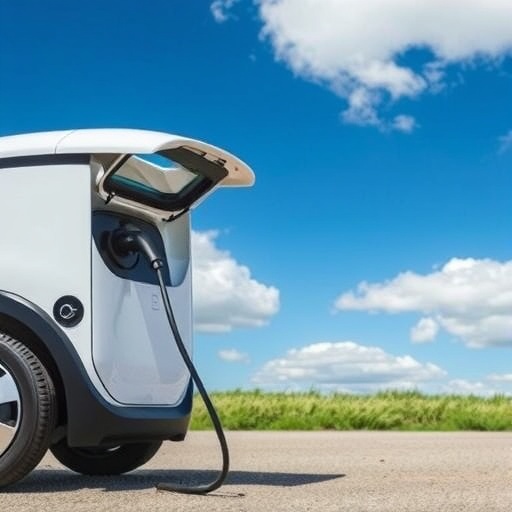
As the global community races toward decarbonizing transportation, electric vehicles (EVs) have emerged as a linchpin in reducing greenhouse gas emissions. Yet, the very batteries that power these vehicles are highly sensitive to temperature extremes—a factor that climate change ominously exacerbates. Rising global temperatures and increased weather variability pose serious risks to battery longevity and performance, challenging the durability and reliability of EV batteries essential for a sustainable transport future. Despite these daunting prospects, a recent groundbreaking study sheds new light on how technological advancements in battery design and materials are mitigating these climate-induced durability challenges, offering a hopeful glimpse into the resilience of future electric mobility.
Battery performance is intricately linked to operating temperatures, where both excessive heat and cold can degrade capacity, reduce lifespan, and affect safety. Historically, models assessing battery durability under future climate conditions have failed to fully account for ongoing technological progress that continuously enhances thermal management and material stability. Researchers have now adopted an innovative, integrative approach by coupling detailed electric vehicle usage simulations with advanced battery degradation models, enriched with high-resolution climate data across 300 cities worldwide. This enables unprecedented granularity in understanding how evolving climate patterns and burgeoning battery technology intersect over the coming decades.
Focusing on a climate warming scenario of 2°C — a threshold the world strives to remain below per the Paris Agreement — the study compares the longevity impacts on older generation batteries (2010–2018) versus contemporary technologies developed between 2019 and 2023. The results reveal a stark contrast in vulnerability: while older batteries could see a substantial 8% average reduction in operational lifetime with extreme cases up to 30%, newer batteries demonstrate an impressive resilience, limiting average lifetime decline to only around 3%, with even the worst-hit cities facing roughly 10%. This suggests that the relentless pace of innovation is effectively insulating EVs against some of the most severe climate-induced stresses anticipated.
The crux of these findings lies in understanding the mechanisms driving degradation. As climate change escalates temperatures as well as daily and seasonal variability, the thermal environment within lithium-ion cells becomes more challenging. Elevated cell temperatures accelerate chemical side reactions, including electrolyte decomposition and electrode material breakdown, directly compromising battery health. However, the newer battery architectures with improved thermal management systems, advanced electrolytes, and robust cell designs show heightened endurance to these elevated thermal stresses. This advancement not only curtails the pace of capacity fade but enhances safety margins—a vital consideration as EV adoption proliferates worldwide.
Additionally, this study highlights a crucial socio-geographic dimension: regional inequities in climate-driven battery degradation. Previously, cities within hotter climates faced disproportionately higher risks of battery performance losses, which could exacerbate technological divides, affordability concerns, and adoption barriers for electric vehicles. The enhanced durability of new batteries appears to substantially mitigate these inequities, effectively leveling the playing field and promoting equitable access to lasting EV technologies regardless of geographic location. In essence, technological progress acts as a climate adaptation strategy with co-benefits that transcend environmental protection alone.
The researchers employed comprehensive bottom-up simulation methodologies encompassing vehicle usage patterns such as trip lengths, ambient temperature exposure, and charging behaviors calibrated against climate projections. These inputs integrated with intricate models of lithium-ion battery degradation, capturing kinetic and thermodynamic processes that unfold within cell chemistries over extensive usage cycles. The use of downscaled, high-resolution climate datasets is critical, featuring fine spatial and temporal granularity that accurately reflects urban heat island effects, increased frequency of heatwaves, and varying diurnal temperature ranges predicted under climate change scenarios.
One remarkable facet of the work is its temporal depth, spanning over a decade of battery evolution alongside multiple future climate projections. While early generation batteries exhibited relatively poor tolerance to sustained high temperatures and thermal fluctuations, recent generations incorporate novel high-voltage cathode materials, solid-state or hybrid electrolytes, and improved thermal interface materials. These innovations have collectively elevated the thermal operating window of batteries, reducing degradation susceptibility through mechanisms like electrolyte stabilization and suppression of dendrite formation.
The implications transcend mere battery lifespan. Extended battery durability translates into significant economic and environmental advantages by postponing costly replacements, reducing waste, and improving the life-cycle emissions profile of electric vehicles. Enhanced resilience also bolsters consumer confidence, shipment logistics, and policy development supporting accelerated EV penetration in critical global markets. By integrating climate resilience into battery design, manufacturers pave the way for safer, more reliable, and longer-lasting electric mobility solutions aligned with aggressive decarbonization goals.
However, the study also draws attention to the persistent challenges that remain. While current technology dampens climate-induced lifetime reductions, emerging extreme weather events, ultra-high temperatures, and complex urban microclimates could still impose risks that demand continuous adaptation. Future research avenues include exploring next-generation battery chemistries such as lithium-metal anodes, solid-state batteries with intrinsic thermal robustness, and AI-enhanced thermal management systems that dynamically react to environmental changes. These innovations could drive exponential improvements in battery resilience for the coming decades.
Moreover, policymakers and urban planners must recognize the dual role of climate mitigation and adaptation embedded in battery technology development. Supporting R&D investments that prioritize thermal resilience, standardized testing protocols under diverse climate scenarios, and global cooperation on materials sourcing and waste recycling will be essential. Equally important is the equitable deployment of EV infrastructure, particularly in regions vulnerable to climate extremes, to maximize the societal and environmental benefits of evolving battery technologies.
In conclusion, the convergence of climate science, materials innovation, and vehicle technology presents a compelling narrative of adaptation and optimism. Despite the escalating pressures of climate change, swift technological progress in electric vehicle batteries offers a vital buffer against degradation and longevity loss, materially safeguarding the promise of a clean and sustainable transportation future. As cities worldwide prepare for a warming planet, the co-benefits of battery innovation exemplify how technology can not only keep pace with but also offset climate-induced challenges, turning potential vulnerabilities into resilient opportunities.
This study underscores the importance of viewing climate adaptation and technological advancement as complementary forces rather than isolated sectors. It challenges the static assumptions often made in earlier durability projections and advocates for dynamic, data-driven frameworks that incorporate real-world usage, cutting-edge chemistry, and geographic variability. The EV industry stands at an inflection point where ongoing innovation will define whether electric vehicles fulfill their transformative role in mitigating climate change. Thanks to these insights, the vision of resilient electric transportation networks powered by durable, climate-hardened batteries is closer than ever.
As these findings permeate through industry forums, climate policy discussions, and public consciousness, the narrative around EVs can shift from vulnerability to robustness. Stakeholders across the value chain — from material scientists to automotive engineers, urban policymakers to end-users — must heed the lessons embedded in this research. Investing in the continuous evolution of battery technologies, especially thermal resilience, is not merely a technical challenge but a moral imperative in the collective quest to build a climate-resilient future.
By integrating high-resolution climate data with sophisticated battery degradation models, this study pioneers a holistic assessment paradigm that other sectors reliant on temperature-sensitive technologies may emulate. Whether for grid storage, aerospace applications, or consumer electronics, the principle remains clear: anticipating climatic disruptions requires marrying technological innovation with rigorous environmental modeling. The electric vehicle battery community has taken a critical step forward by demonstrating this synergy, setting a benchmark for sustainable, adaptive technological solutions in a warming world.
Ultimately, the story of electric vehicle battery resilience amidst climate change is one of hope anchored in human ingenuity. It confirms that when climate science informs technology development with precision and foresight, we unlock pathways not only to survive but to thrive. With relentless innovation and collaborative commitment, electric vehicles can remain key agents of decarbonization, powering a cleaner, more equitable, and resilient mobility future for generations to come.
Cite Scienmag News
Sloane Callahan. (March 2, 2026). EV Battery Advances Counter Climate Durability Issues. Scienmag. https://scienmag.com/ev-battery-advances-counter-climate-durability-issues/
Sloane Callahan. "EV Battery Advances Counter Climate Durability Issues." Scienmag, 2 March 2026, https://scienmag.com/ev-battery-advances-counter-climate-durability-issues/. Accessed 3 September 2026.
Sloane Callahan. "EV Battery Advances Counter Climate Durability Issues." Scienmag. March 2, 2026. https://scienmag.com/ev-battery-advances-counter-climate-durability-issues/


