


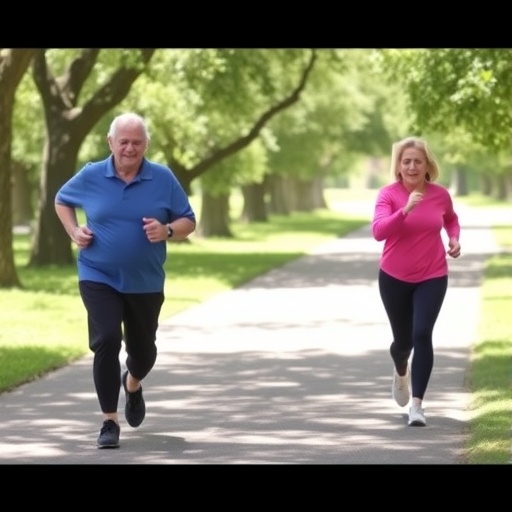
In the evolving landscape of geriatric health, a recent groundbreaking study published in BMC Geriatrics offers profound insights into the dynamic changes in physical function among older adults and underscores the pivotal role of physical activity. This extensive population-based cohort study conducted by Qiu, S., Xie, B., Sun, Z., and colleagues dives deep into the trajectories of impaired physical function, revealing nuanced patterns and the transformative influence of active lifestyles on aging populations. This research arrives at a critical juncture when global demographics are rapidly shifting, necessitating innovative approaches to maintain independence and quality of life in older age.
Aging is commonly associated with a decline in physical capabilities, yet the mechanisms and degrees of this impairment vary widely. Traditional cross-sectional studies have painted a static picture, but the longitudinal design of this cohort study allows researchers to capture the progression of physical function decline over time. By closely monitoring a large and diverse group of older adults, the study elucidates how physical function deteriorates variably and how intervention through physical activity can modulate these trajectories. This temporal perspective is invaluable for clinicians and policymakers aiming to design effective preventive and rehabilitative measures.
Central to the study is the concept of physical function impairment, which encompasses a spectrum from mild difficulties in performing activities of daily living to severe disability hindering independent living. The researchers employed comprehensive and standardized assessments capturing core domains such as mobility, strength, balance, and endurance. These domains are not only predictive markers of health outcomes but also critical determinants of autonomy and social participation in older adults. The precision with which these variables were measured enhances the reliability and applicability of the findings across diverse aging populations.
One of the study’s most striking revelations is the heterogeneity in rates of physical function decline. While some individuals exhibited rapid deterioration, others experienced a surprisingly stable or even improved function over the follow-up period. This variability challenges deterministic views of aging and highlights the influence of modifiable lifestyle factors. Notably, physical activity emerged as the most significant determinant of favorable trajectories. Active older adults were markedly more likely to maintain or improve their physical function compared to their sedentary peers, suggesting a protective effect that transcends baseline health conditions.
Importantly, the study delineates different modalities and intensities of physical activity and their respective impacts on physical function. Moderate-to-vigorous physical activity, encompassing aerobic exercises, resistance training, and balance-enhancing activities, correlated strongly with sustained or enhanced physical abilities. This finding provides empirical backing for existing public health recommendations advocating diverse exercise regimens to optimize physical health during aging. The nuanced analysis also identifies thresholds and patterns of activity that confer maximal benefit, offering practical guidance for individualized exercise prescriptions.
The biological underpinnings of these observations are multifaceted. Physical activity is known to stimulate musculoskeletal strength, cardiovascular fitness, and neuroplasticity, all fundamental in maintaining physical function. The cohort study integrates emerging biomarker analyses tying physical activity to reduced systemic inflammation and oxidative stress, two critical contributors to functional decline. This mechanistic insight bridges the gap between behavioral interventions and molecular aging processes, forging a comprehensive understanding of how lifestyle can modulate senescence at multiple levels.
Moreover, the socio-environmental context in which older adults engage in physical activity features prominently in the study’s analysis. Social support, access to safe environments, and cultural attitudes towards aging and exercise significantly influence activity patterns and, consequently, physical function outcomes. The researchers emphasize that successful interventions must transcend individual behavior modification and address broader societal and infrastructural factors. This holistic approach resonates with the increasing recognition of social determinants in geriatric health frameworks.
The cohort’s demographic composition further enriches the study’s implications. By including participants from diverse ethnic, socioeconomic, and geographic backgrounds, the research provides robust evidence applicable to a wide range of populations. Disparities in physical function trajectories linked to these variables pinpoint critical areas for public health interventions aimed at health equity. Tailored community-based programs, culturally sensitive health education, and resource allocation can be informed by these findings to address vulnerable subgroups effectively.
Technological advancements in data collection and analysis played a pivotal role in the study. The use of wearable devices for continuous monitoring of physical activity, sophisticated statistical models, and machine learning algorithms allowed precise characterization of function trajectories and prediction of outcomes. These methodologies not only enhanced the resolution of data but also exemplify the integration of digital health tools into gerontological research, heralding a new era of personalized aging care.
The clinical implications of this study are vast. Early identification of individuals at risk of rapid functional decline enables timely intervention and resource allocation. Customized exercise programs can be prescribed as preventive measures or rehabilitation strategies, potentially reducing the incidence of falls, hospitalizations, and long-term care admissions. The demonstrated efficacy of physical activity in reversing or decelerating impairment emphasizes its status as a cornerstone in geriatric medicine and healthy aging policies.
From a public health perspective, the findings advocate for the promotion of physical activity across the lifespan, particularly targeting older populations. Urban planning, health education, and community engagement initiatives must prioritize accessible and appealing opportunities for older adults to engage in physical exercise. The study provides empirical momentum to support funding and policy shifts favoring active aging environments, which in turn can mitigate healthcare costs associated with disability and dependence.
The psychological benefits associated with maintaining physical function through activity also warrant attention. Enhanced mobility and independence contribute to improved mental health, reduced depression, and higher life satisfaction. The interconnection between physical and mental well-being elucidated in this cohort underscores the importance of integrated care models. Addressing both domains simultaneously through physical activity promotion could yield synergistic benefits, amplifying the overall quality of life for older adults.
Despite its strengths, the study acknowledges certain limitations, including potential self-report biases in physical activity measurement and challenges in disentangling causality from association. However, the rigorous longitudinal design and multilayered analytical approaches substantially mitigate these concerns. Future research directions suggested include exploration of gene-environment interactions, personalized exercise interventions, and integration of cognitive function assessments alongside physical metrics to capture holistic aging trajectories.
In sum, this compelling study by Qiu and colleagues offers a comprehensive, evidence-based perspective on the ebb and flow of physical function impairment in older age, intricately linked to the mitigating power of physical activity. It not only enhances scientific understanding but also provides actionable knowledge with the potential to transform geriatric care and public health strategies. As populations age globally, such insights are invaluable in shaping a future where extended lifespan is matched by preserved function and enriched life quality.
Cite Scienmag News
Beatrice Stafford. (February 28, 2026). Physical Activity Slows Aging-Related Physical Decline. Scienmag. https://scienmag.com/physical-activity-slows-aging-related-physical-decline/
Beatrice Stafford. "Physical Activity Slows Aging-Related Physical Decline." Scienmag, 28 February 2026, https://scienmag.com/physical-activity-slows-aging-related-physical-decline/. Accessed 3 September 2026.
Beatrice Stafford. "Physical Activity Slows Aging-Related Physical Decline." Scienmag. February 28, 2026. https://scienmag.com/physical-activity-slows-aging-related-physical-decline/


