


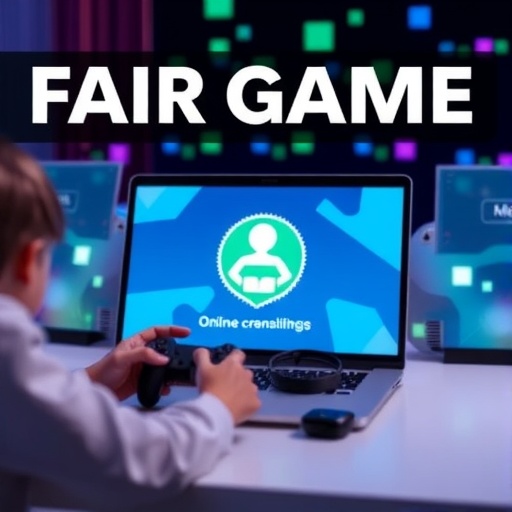
In the rapidly evolving landscape of digital entertainment, video games have transcended their traditional role as mere recreational outlets, becoming intricate social environments where children actively shape identity, forge interpersonal connections, and even engage in informal educational experiences. Despite their potential for positive cognitive and emotional development, current online gaming ecosystems pose significant challenges to upholding children’s rights to mental health, participation, and protection. Elements such as aggressive monetization practices, manipulative user interface designs, and intense peer pressure often contradict children’s developmental needs and rights, underscoring an urgent need for systemic intervention.
Addressing this complex digital milieu, a pioneering European consortium has embarked on an ambitious project named FAIR GAME – an initiative poised to redefine the norms of safety, inclusivity, and responsibility within online gaming environments. Led by the Institute of New Imaging Technologies at Universitat Jaume I in Castelló, Spain, the consortium unites expert partners from diverse domains and five EU member states: Finland, Cyprus, Belgium, and the Netherlands. This coalition harnesses cross-sectoral expertise spanning video game development, digital rights advocacy, education, and child welfare to promote a child-centric approach to gaming that embeds fundamental rights into platforms often marked by minimal regulation.
Central to FAIR GAME’s vision is making children’s rights “visible, actionable and enforceable” in the relatively unregulated digital spaces of online gaming. Rather than merely mitigating risks, the project seeks to recalibrate how the gaming ecosystem conceptualizes safety and responsibility by instigating cultural and structural reforms in policy frameworks and platform standards. This paradigm shift mandates a multi-pronged approach that simultaneously empowers young users and compels industry stakeholders to embrace accountability mechanisms rooted in ethical gaming practices.
The FAIR GAME project methodology unfolds over five meticulously designed stages, each addressing critical facets of digital literacy, stakeholder engagement, ethical participation, and sustainable impact. The initial phase prioritizes child-led design processes, crafting interactive digital literacy modules that educate young gamers about their rights, risks, and resilience strategies. This participatory framework ensures that children’s voices—especially those from vulnerable backgrounds—serve as the foundation for resources tailored to their lived experiences within virtual worlds.
Subsequent phases expand the scope beyond the players themselves, incorporating wider ecosystem influencers such as game developers, popular streamers, and social media personalities who shape gaming cultures. Collaborative development of voluntary codes of conduct, behavior modification tools, and targeted training modules seek to align these actors with child-friendly practices, reinforcing a collective responsibility model. This inclusive strategy acknowledges the multifaceted nature of online gaming, where content creators and community leaders significantly impact user experiences and safety.
Concurrently, FAIR GAME embeds rigorous ethical protections for minors engaged throughout the project, ensuring inclusive participation while safeguarding physical, emotional, and digital well-being. Accessibility and diversity are core cross-cutting themes, promoting equitable involvement and tailoring interventions to accommodate differences across age, gender, cultural background, and ability. These commitments enhance the validity and scalability of project outcomes.
The culminating phase envisages open-source, modular solutions with comprehensive translation guidelines, allowing seamless integration into various national educational frameworks and extending accessibility well beyond participating countries. By adhering to principles of transparency and adaptability, FAIR GAME anticipates cultivating a dynamic repository of best practices and pedagogical tools that evolve parallel to the digital gaming frontier.
Four primary beneficiary groups stand at the heart of FAIR GAME’s impact strategy. First, children aged 10 to 18, particularly those vulnerable to online harms, engage directly through partnerships with schools, youth centers, NGOs, and child protection networks. Second, parents, caregivers, and educators receive practical training and resources to bolster children’s digital literacy, emotional resilience, and well-being. Third, peer ambassadors drawn from older youth cohorts take active roles in co-creating content and facilitating peer-to-peer learning sessions, thus fostering autonomous advocacy and leadership among young gamers. Finally, key industry stakeholders participate in co-designing sustainable safety frameworks and participate in awareness campaigns aimed at nurturing inclusive and respectful gaming cultures.
Technically, FAIR GAME advocates for the implementation of enhanced protective measures intrinsic to the gaming ecosystem’s architecture. Stricter content moderation frameworks and refined age-rating systems are proposed to preempt exposure to inappropriate material. Sophisticated identity verification solutions and user-friendly abuse reporting interfaces aim to curtail the prevalence of predators and toxic peer behaviors while safeguarding privacy. Moreover, the initiative underscores the importance of non-discriminatory online spaces responsive to diverse identities and abilities, facilitating equitable access and positive social inclusion.
Operating within the heterogeneous digital infrastructure and regulatory landscapes across the five partner countries, FAIR GAME benefits from a rich diversity of perspectives on child participation and exposure to gaming risks. This geographic and cultural variation strengthens the empirical foundation for testing, refinement, and validation of the project’s tools and methodologies, ensuring robustness and contextual adaptability critical for broader European or global application.
Funded under the European Education and Culture Executive Agency’s CERV-2025-CHILD call, FAIR GAME exemplifies strategic investment in child-centered digital innovation. Its 24-month timeline focuses on tangible, scalable outcomes with potential to influence policymaking, platform governance, educational curricula, and community awareness. By foregrounding children’s rights, participation, and digital literacy, the project pioneers a holistic framework where gaming environments transcend potential harm to become catalysts for creativity, social connection, and skill development.
Lead researcher Inmaculada Remolar Quintana, director of INIT at Universitat Jaume I, emphasizes that FAIR GAME is designed to generate enduring transformation in children’s experience of digital gaming worlds. The project’s multi-stakeholder collaboration and rigorous methodological design reflect a nuanced appreciation of the gaming ecosystem’s complexity and the imperative to balance digital innovation with robust child protection mechanisms.
In summary, FAIR GAME represents a groundbreaking effort to recalibrate digital gaming cultures through participatory, rights-based frameworks that empower children and reshape industry practices. By integrating digital literacy, ethical standards, and inclusive design into the fabric of online gaming, the initiative sets a precedent for how technology can harmonize with fundamental human rights and child development imperatives. Its success could inform policies and practices well beyond Europe, offering a replicable model that aligns vibrant digital ecosystems with the critical goal of safeguarding children in the digital age.
News Publication Date:
Not specified.
Web References:
https://mediasvc.eurekalert.org/Api/v1/Multimedia/11850f15-cd77-43eb-8ab1-8d735d000e87/Rendition/low-res/Content/Public
Cite Scienmag News
Courtney Benton. (February 25, 2026). UJI’s Institute of New Imaging Technologies Leads European FAIR GAME Project to Safeguard Children in Online Gaming Environments. Scienmag. https://scienmag.com/ujis-institute-of-new-imaging-technologies-leads-european-fair-game-project-to-safeguard-children-in-online-gaming-environments/
Courtney Benton. "UJI’s Institute of New Imaging Technologies Leads European FAIR GAME Project to Safeguard Children in Online Gaming Environments." Scienmag, 25 February 2026, https://scienmag.com/ujis-institute-of-new-imaging-technologies-leads-european-fair-game-project-to-safeguard-children-in-online-gaming-environments/. Accessed 31 August 2026.
Courtney Benton. "UJI’s Institute of New Imaging Technologies Leads European FAIR GAME Project to Safeguard Children in Online Gaming Environments." Scienmag. February 25, 2026. https://scienmag.com/ujis-institute-of-new-imaging-technologies-leads-european-fair-game-project-to-safeguard-children-in-online-gaming-environments/


