


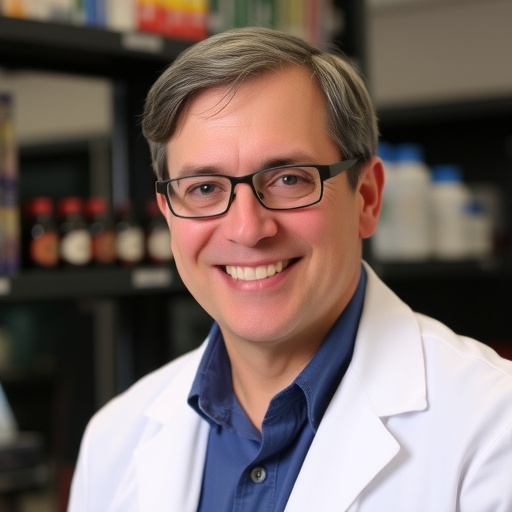
The Damon Runyon Cancer Research Foundation has unveiled the eight recipients of the prestigious 2026 Damon Runyon-Rachleff Innovation Award, spotlighting cutting-edge research endeavors poised to revolutionize the landscape of cancer prevention, diagnosis, and therapy. This distinguished initiative is designed to empower visionary early-career scientists exploring high-risk, high-reward ideas that could redefine cancer treatment paradigms. Each of the five newly inducted Innovators will receive an initial funding package of $400,000 spread over two years, with exceptional progress offering the possibility of extending this support to a cumulative $800,000 over four years. Notably, three 2025 Innovators have already secured this Stage 2 continuation funding for demonstrating substantial advancements in their research.
Traditional funding streams often necessitate extensive preliminary data, inadvertently sidelining bold projects that lack such evidence but hold transformative potential. The Damon Runyon-Rachleff Innovation Award fills this critical gap, championing innovative risk-taking by providing financial support and scientific validation from a rigorous selection process governed by an eminent panel of cancer research leaders. This framework ensures that only the most intellectually daring and methodologically sound proposals receive backing.
Dr. Timour Baslan from the University of Pennsylvania is pioneering therapeutic strategies centered on the enigmatic terrain of copy number alterations in cancer genomes, which are among the most prevalent mutational signatures across cancer types. His work delves into the vulnerabilities imposed by gene deletions in pancreatic cancer, utilizing an intersection of computational algorithms and chemical biology to identify and exploit these weaknesses. Given that recurrent deletions permeate the majority of tumor genomes, his findings carry significant promise for broad-spectrum therapeutic interventions.
At the University of California, San Francisco, Dr. Julia C. Carnevale’s research targets the enigmatic roles of dendritic cells within immunosuppressive tumor microenvironments. These antigen-presenting cells orchestrate the activation of cytotoxic T cells but are often rendered dysfunctional in solid tumors. By decoding and reprogramming dendritic cells to navigate hostile immune landscapes, Dr. Carnevale aims to invigorate adaptive immune responses, deploying engineered dendritic cells capable of coordinating multifaceted T cell networks, a potential breakthrough in overcoming immune evasion mechanisms inherent to many cancers.
Dr. Stephen T. Ferris of St. Louis University seeks to elucidate the interactions between natural killer T (NKT) cells, tumor cells, and lipid antigens—a frontier scarcely understood despite NKT cells’ pivotal bridging role between adaptive and innate immunity. His investigations focus on identifying tumor-derived lipid antigens that activate NKTs, unlocking mechanisms that could enable these cells to mount potent anti-tumor responses. This research could pave the way for novel immunotherapies leveraging the unique biology of lipid-reactive NKT cells across diverse malignancies.
A transformative approach to enhancing CAR T cell therapies is under pursuit by Dr. Evan W. Weber at The Children’s Hospital of Philadelphia. CAR T therapies have revolutionized hematologic cancer treatment yet face hurdles related to therapeutic durability and efficacy against solid tumors. Dr. Weber’s lab has developed a high-throughput platform to pinpoint the genetic and phenotypic characteristics that empower T cells to maintain serial killing capacity over time, paving the way for engineering CAR T cells capable of sustained tumor eradication with improved clinical outcomes.
At Dana-Farber Cancer Institute, Dr. Xin Zhou is revolutionizing how aberrant kinase signaling—a key driver across numerous malignancies and a frequent contributor to therapeutic resistance—is addressed. Traditional kinase inhibitors often falter due to the tumor’s adaptive mechanisms. By redirecting, or extracellularly reprogramming, kinase pathways to stimulate anti-tumor signaling rather than simply inhibiting them, Dr. Zhou’s work holds the promise of more durable and effective cancer therapeutics that circumvent resistance pathways.
Among the recipients earning Stage 2 funding continuation is Dr. Daniel J. Puleston from Mount Sinai, who is innovating ex situ maintenance techniques that keep tumor-bearing human organs viable outside the body. This groundbreaking platform facilitates real-time study of tumor biology and therapeutic responses in an intact human microenvironment, offering unprecedented mechanistic insights into hepatocellular carcinoma’s metabolic vulnerabilities and its interaction with immunotherapy agents, potentially streamlining drug development pipelines.
Dr. Humsa S. Venkatesh at Brigham and Women’s Hospital is unraveling the intricate bioelectric signaling circuits that orchestrate brain cancer progression. Recognizing that neuronal activity modulates cancer heterogeneity, Dr. Venkatesh applies systems neuroscience to decode interactions between malignant cells and the nervous system. This holistic approach seeks to identify therapeutic targets aimed at normalizing aberrant bioelectric neural circuits that fuel tumor growth, thereby offering new avenues for intervention in treatment-resistant brain cancers.
At the University of California, Berkeley, Dr. Ziyang Zhang is engineering a chemically tunable immunotherapy platform to enhance the safety and control of bispecific T cell engager antibodies (BiTEs). While BiTEs have demonstrated remarkable efficacy, their clinical utility is often constrained by severe toxicities. Dr. Zhang’s ‘chemical switch’ concept promises a revolutionary leap by enabling rapid modulation of BiTE activity, potentially allowing safe administration at efficacious doses that can penetrate solid tumors and mitigate side effects.
The Damon Runyon Cancer Research Foundation’s extensive legacy of accelerating early-career scientific breakthroughs is epitomized by this cohort of innovators. With a portfolio including 13 Nobel laureates and an investment exceeding $491 million in nearly 4,100 scientists since 1946, the Foundation remains at the vanguard of cultivating the audacity and creativity essential to conquering cancer. These new projects underscore the power of risk-taking science—embracing complexity and uncertainty to unlock transformative insights capable of reshaping oncologic care globally.
Beyond funding, the Damon Runyon-Rachleff Innovation Award nurtures a vibrant intellectual ecosystem where rigorous peer evaluation and interdisciplinary collaboration thrive. This environment empowers researchers to chart uncharted territories of cancer biology, from genomic aberrations and kinase signaling to immune cell engineering and bioelectric circuit manipulation. Each investigator’s program is a testament to the belief that the most profound advances emerge when visionary science meets robust support.
As these outstanding scientists embark on their groundbreaking work, the anticipation mounts for discoveries that promise to deepen our understanding of cancer’s multifaceted biology and yield novel therapeutic modalities. Through sustained innovation and relentless pursuit of high-impact ideas, the Damon Runyon-Rachleff Innovation Award continues to propel the frontier of cancer research, offering renewed hope for patients and a beacon for the scientific community worldwide.
News Publication Date: 2026
Web References: http://damonrunyon.org/
Cite Scienmag News
Nathaniel Bowman. (February 24, 2026). Damon Runyon Cancer Research Foundation Allocates $3.2 Million to Support Innovative Early-Career Scientists. Scienmag. https://scienmag.com/damon-runyon-cancer-research-foundation-allocates-3-2-million-to-support-innovative-early-career-scientists/
Nathaniel Bowman. "Damon Runyon Cancer Research Foundation Allocates $3.2 Million to Support Innovative Early-Career Scientists." Scienmag, 24 February 2026, https://scienmag.com/damon-runyon-cancer-research-foundation-allocates-3-2-million-to-support-innovative-early-career-scientists/. Accessed 1 September 2026.
Nathaniel Bowman. "Damon Runyon Cancer Research Foundation Allocates $3.2 Million to Support Innovative Early-Career Scientists." Scienmag. February 24, 2026. https://scienmag.com/damon-runyon-cancer-research-foundation-allocates-3-2-million-to-support-innovative-early-career-scientists/


