


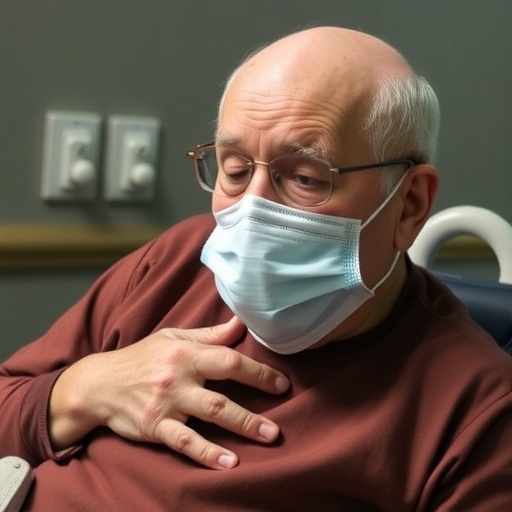
As global populations continue to age, the management of cancer in elderly patients is becoming an increasingly pressing concern for clinicians and researchers alike. A groundbreaking study published in BMC Geriatrics in 2026 shines new light on the impact of frailty on the surgical morbidity, feasibility of adjuvant therapy, and overall survival in octogenarian patients undergoing gastrointestinal cancer resections. This research not only highlights frailty as a pivotal determinant of postoperative outcomes but also challenges current approaches to treatment planning and risk stratification in this vulnerable demographic.
Gastrointestinal cancers, encompassing malignancies of the stomach, colon, rectum, pancreas, and esophagus, represent a substantial burden of disease worldwide, particularly among the elderly. The octogenarian population — individuals aged 80 years and older — is rapidly expanding due to increasing life expectancy, making cancer management in this age group a significant clinical challenge. Surgical resection remains a cornerstone of curative-intent treatment for many gastrointestinal malignancies. Nonetheless, the inherent risks associated with major surgery in elderly patients necessitate a nuanced understanding of patient-specific factors that influence outcomes.
The study conducted by Dumludağ, Öcal, and Torun offers a detailed exploration of frailty, defined as a multifactorial syndrome characterized by decreased physiological reserve and diminished resistance to stressors, as a critical predictor of surgical morbidity and long-term survival. Unlike chronological age alone, frailty captures the biological age and functional capacity of patients, providing a more holistic perspective on their operative risk profile. Utilizing comprehensive geriatric assessments, the researchers were able to identify frail individuals within the octogenarian cohort and correlate these findings with postoperative complications, feasibility of receiving adjuvant therapies, and survival metrics.
One of the most compelling aspects of this research lies in its methodological rigor. The authors employed validated frailty indices incorporating parameters such as muscle strength, mobility, nutritional status, cognitive function, and comorbidities. By stratifying patients according to their frailty status, the study provided robust evidence that frail octogenarians experience significantly higher rates of perioperative morbidity, including infections, cardiopulmonary complications, and prolonged hospital stays. These findings underscore the importance of preoperative frailty assessment as an essential step in individualized surgical planning and risk management.
Moreover, the study illuminates the complex interplay between frailty and the feasibility of adjuvant therapy post-resection. Adjuvant therapies, such as chemotherapy and radiotherapy, are often critical for improving cancer-specific survival; however, their tolerability in the elderly remains contentious due to potential toxicities and diminished physiological resilience. Dumludağ and colleagues demonstrate that frail patients are considerably less likely to complete recommended adjuvant regimens, primarily owing to treatment-related adverse effects and decreased functional capacity. This revelation calls for a paradigm shift in oncological care, advocating for tailored therapy protocols that account for patient frailty rather than relying solely on chronological age or cancer staging.
Survival outcomes present a similarly stark narrative. The study reveals that frailty independently predicts poorer overall survival, beyond traditional oncological prognosticators. Frail octogenarians exhibited reduced disease-free intervals and increased mortality rates, emphasizing that biological resilience significantly influences cancer trajectories. This insight could transform patient counseling, setting more realistic expectations and helping patients and families make informed decisions about the risks and benefits of aggressive surgical interventions.
From a surgical perspective, these findings compel clinicians to integrate frailty assessments into routine preoperative evaluations. Traditional surgical risk scores may underestimate the vulnerability of elderly patients by failing to capture the subtleties of physiological decline. Incorporating multidimensional frailty scales could enhance predictive accuracy, enabling surgeons to identify patients who may benefit from prehabilitation programs designed to bolster strength and endurance before surgery, or to consider less invasive therapeutic alternatives where appropriate.
The implications of this research extend beyond patient selection to inform postoperative clinical pathways. Recognizing frailty as a modifiable risk factor opens avenues for interdisciplinary interventions involving geriatricians, nutritionists, physical therapists, and oncologists. Such teamwork could optimize recovery, reduce complications, and improve patients’ ability to withstand adjuvant treatments, ultimately enhancing quality of life and survival outcomes.
Furthermore, this study contributes to the ongoing discourse on personalized medicine in oncology, championing a patient-centered approach that transcends disease-focused metrics. Frailty assessment epitomizes the integration of biological age, functional status, and comorbidities to craft individualized treatment blueprints. As the field evolves, the development and validation of frailty-specific scoring systems tailored to oncology patients are likely to become standard practice, guiding decision-making and resource allocation.
The research also raises important ethical and healthcare policy questions. The identification of frailty as a determinant of treatment feasibility prompts critical reflection on equity in cancer care. Older adults often face under-treatment due to ageist biases; however, frailty assessments could provide objective criteria for treatment candidacy, promoting judicious use of limited healthcare resources while safeguarding patient autonomy and dignity.
Looking ahead, Dumludağ and colleagues’ findings underscore the urgent need for prospective, multicenter studies to validate frailty-informed treatment algorithms and to evaluate interventions aimed at mitigating frailty’s impact. Investigations into the biological mechanisms underpinning frailty—such as chronic inflammation, sarcopenia, and immune senescence—could also yield novel therapeutic targets, potentially enhancing resilience among elderly cancer patients.
In sum, this pivotal study establishes frailty as a cornerstone in the management of octogenarian patients undergoing gastrointestinal cancer surgery. By revealing its profound influence on surgical complications, adjuvant therapy tolerance, and survival, the research challenges age-based treatment paradigms and propels the integration of geriatric principles into oncological practice. As the medical community grapples with the complexities of caring for an aging population, embracing frailty assessment promises to refine treatment strategies, improve outcomes, and ultimately transform the landscape of cancer care for elderly patients.
Cite Scienmag News
Ophelia Keating. (February 17, 2026). Frailty Predicts Surgery Outcomes, Therapy, Survival in Elderly. Scienmag. https://scienmag.com/frailty-predicts-surgery-outcomes-therapy-survival-in-elderly/
Ophelia Keating. "Frailty Predicts Surgery Outcomes, Therapy, Survival in Elderly." Scienmag, 17 February 2026, https://scienmag.com/frailty-predicts-surgery-outcomes-therapy-survival-in-elderly/. Accessed 5 September 2026.
Ophelia Keating. "Frailty Predicts Surgery Outcomes, Therapy, Survival in Elderly." Scienmag. February 17, 2026. https://scienmag.com/frailty-predicts-surgery-outcomes-therapy-survival-in-elderly/


