


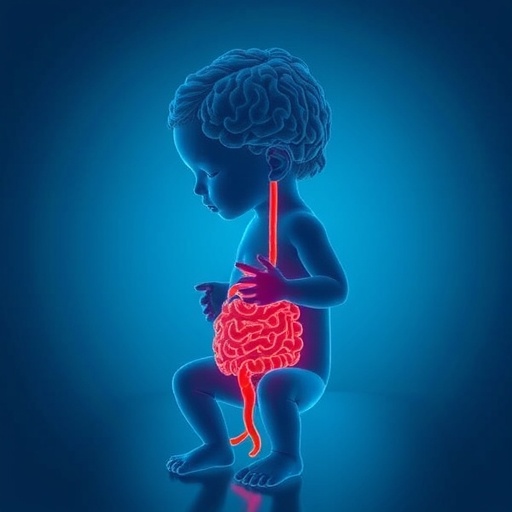
In a groundbreaking study published in Pediatric Research, researchers have unveiled compelling evidence linking behavioral traits observed in infancy with the intricate dynamics of the gut-brain axis and maternal depression. This discovery marks a significant step forward in our understanding of early neurodevelopmental trajectories and the complex bi-directional communication networks shaping infant behavior.
The gut-brain axis, a bidirectional communication pathway connecting the gastrointestinal tract and central nervous system, has been the focus of extensive research in recent years. It is known to influence vital physiological processes, including stress response, cognition, and emotional regulation. However, the new study extends this paradigm by integrating the role of maternal psychological health, specifically depression, in shaping infant behavioral patterns through the microbiome-driven gut-brain axis.
Investigators led by Momin, Jose, and Shivanna meticulously analyzed longitudinal data from a cohort of infants and their mothers, uncovering nuanced correlations between maternal depression levels and infant gut microbiota composition. Importantly, these microbial profiles were found to align with distinct behavioral phenotypes during infancy, suggesting that maternal mental health reverberates through biochemical exchanges that influence infant neurobehavioral development.
Maternal depression, a prevalent condition during the perinatal period, has been traditionally associated with adverse effects on infant emotional and cognitive outcomes. The new research deepens this understanding by highlighting the microbiota-mediated pathways as potential mechanistic links, bridging maternal affective states with neurodevelopmental programming in offspring. Elevated maternal depression scores were consistently associated with an imbalance in the infant’s gut microbiome diversity, characterized by diminished beneficial bacteria and overrepresentation of potentially pro-inflammatory species.
Behavioral assessments conducted during critical windows of infant development revealed phenotypes ranging from heightened irritability, sleep disturbances, to altered social engagement. These traits exhibited strong associations with perturbations in specific microbial taxa, emphasizing the microbiome’s role as a mediator and modulator of early brain function. The researchers utilized advanced neurobehavioral scales alongside cutting-edge metagenomic sequencing techniques to delineate these patterns with unprecedented resolution.
One of the study’s pivotal findings is the identification of microbial metabolites believed to cross the gut-blood barrier and influence central nervous system neurotransmitter systems. Short-chain fatty acids (SCFAs), notably butyrate and propionate, were found at lower concentrations in infants demonstrating behavioral difficulties. These metabolites are known to exert anti-inflammatory effects and promote neuroplasticity, suggesting a mechanism by which microbiota alterations may translate into behavioral manifestations.
The interplay between maternal depression and infant gut microbiome emerges as a complex network of hormonal signaling, immune modulation, and microbial ecology. Elevated maternal cortisol levels associated with depression are hypothesized to shape the infant’s microbial colonization patterns via in utero exposure and postnatal caregiving dynamics. This hormonal milieu potentially primes the infant’s hypothalamic-pituitary-adrenal (HPA) axis, thereby sensitizing stress regulation mechanisms during a critical developmental period.
Moreover, the research underscores the timing and duration of exposure to maternal depressive symptoms as crucial determinants of infant outcomes. Persistent depressive episodes during late pregnancy and postpartum stages appear to exert a more profound influence compared to transient mood disturbances. This temporal dimension highlights the importance of early maternal mental health interventions as possible preventive measures against adverse neurodevelopmental trajectories.
Importantly, the study illuminates the potential of therapeutic strategies targeting the gut microbiota to mitigate behaviorally adverse effects linked to maternal depression. Probiotics, prebiotics, and dietary modifications represent plausible avenues for modulating infant gut flora, with emerging evidence supporting their efficacy in improving emotional and cognitive functioning. These interventions may offer a non-invasive, adjunctive approach to conventional maternal mental health treatments.
Neuroscientifically, the findings contribute to the burgeoning field of psychobiotics, which explores how specific microbial strains can influence mood and behavior. By establishing the foundations of how maternal psychological health shapes infant neurobiological outcomes through the microbiome, this research sets the stage for novel biomarker identification and personalized medicine strategies in pediatric populations.
The investigation also reveals a critical need to address social determinants of health, as socioeconomic factors can modulate both maternal mental well-being and infant microbiome integrity. Stressors such as poverty, lack of social support, and inadequate nutrition may exacerbate dysbiosis and behavioral vulnerabilities, underscoring the importance of holistic healthcare models in early childhood development.
Ethically, this research prompts reflection on the implications of screening and intervening early in at-risk mother-infant dyads. While promising, the identification of neurobehavioral risk factors linked to maternal depression and microbiome alterations necessitates sensitive and culturally informed applications to avoid stigmatization and ensure equitable access to supportive services.
In sum, this pioneering study by Momin, Jose, and Shivanna offers a deeply integrative perspective on how infancy behavioral traits are intertwined with maternal mental health and gut microbiome dynamics. The elucidation of the gut-brain axis as a mediator opens expansive horizons for research and clinical applications aimed at fostering optimal neurodevelopmental and emotional outcomes from the earliest stages of life.
Future research trajectories would benefit from expanding sample sizes, incorporating diverse populations, and employing longitudinal designs to map longer-term implications of these early-life interactions. Integration of multi-omics approaches, including metabolomics and proteomics alongside microbiome profiling, could further unravel the biochemical crosstalk underpinning these relationships.
This landmark study illustrates a crucial advance in our comprehension of the gut-brain-mother-infant triad, highlighting a biological substrate through which maternal depression may sculpt behavioral trajectories in children. It paves the way for transformative interventions designed to harness the gut microbiome as a conduit for promoting mental health resilience within families, thereby shaping generations to come.
Cite Scienmag News
Glenn Wilkins. (February 15, 2026). Infant Behavior Linked to Gut-Brain Axis, Maternal Depression. Scienmag. https://scienmag.com/infant-behavior-linked-to-gut-brain-axis-maternal-depression/
Glenn Wilkins. "Infant Behavior Linked to Gut-Brain Axis, Maternal Depression." Scienmag, 15 February 2026, https://scienmag.com/infant-behavior-linked-to-gut-brain-axis-maternal-depression/. Accessed 4 September 2026.
Glenn Wilkins. "Infant Behavior Linked to Gut-Brain Axis, Maternal Depression." Scienmag. February 15, 2026. https://scienmag.com/infant-behavior-linked-to-gut-brain-axis-maternal-depression/


