


In the rapidly shifting demographic landscape of the twenty-first century, the United States is standing on the precipice of a monumental social and biological transformation as the massive Baby Boomer generation enters its twilight years. This aging phenomenon is not merely a statistical curiosity but a profound public health challenge, characterized by a staggering increase in the number of older adults living in complete residential isolation. Scientific literature has long established a devastating correlation between solitary living and a downward spiral of physiological and psychological health, including heightened risks of chronic loneliness, profound social alienation, and the accelerated onset of cognitive decline. As the fabric of traditional family support structures evolves, researchers are forced to look toward the digital frontier to find scalable, biologically informed solutions that can preserve human dignity and neurological function. At the forefront of this multidisciplinary effort is a dedicated team from Arizona State University’s Edson College of Nursing and Health Innovation, who are preparing to unveil groundbreaking findings at the prestigious 2026 AAAS Annual Meeting. Their work represents a pivotal shift from passive observation to proactive, technology-enabled intervention, utilizing sophisticated behavioral frameworks to mitigate the impact of aging on the human brain and spirit.
The upcoming symposium in Phoenix, titled “Tech Solutions for Older Adults Living Alone with Cognitive Decline,” promises to be a watershed moment for gerontology and neuro-rehabilitation science. Led by visionary scholars such as Ross Andel, Fang Yu, and David Coon, the panel will dissect the intersection of human behavior and advanced technology through the lens of the NIH Stage Model. This rigorous scientific framework is essential for the evolution of behavioral interventions, as it provides a structured pathway for moving abstract theoretical concepts through iterative testing cycles and into the chaotic complexity of real-world environments. By focusing on adults facing the early stages of memory impairment, these researchers are not just treating symptoms but are fundamentally redesigning the daily environment of the elderly to foster resilience and neural plasticity. Their approach recognizes that for a technology to be effective within an aging population, it must be more than just functional; it must be seamlessly integrated into the socioeconomic and emotional realities of those living without an immediate caregiver.
One of the most biologically significant interventions to be showcased is the I-PASS program, a sophisticated technological ecosystem developed by Associate Professor Molly Maxfield. This system targets the critical link between physical activity and cerebral health, specifically addressing the fact that less than half of the American elderly population meets the minimum physiological requirements for cardiovascular maintenance. From a neurological perspective, physical activity is a potent modulator of brain health, stimulating the production of brain-derived neurotrophic factor and enhancing synaptic connectivity, which are vital defenses against Alzheimer’s disease and other dementias. I-PASS leverages the precision of wearable activity sensors and the psychological boost of virtual coaching to overcome the inertia often associated with solitary living. By transforming a simple daily walk into a monitored, goal-oriented achievement, the program bridges the gap between isolation and active participation, effectively utilizing bio-feedback to reinforce positive behavioral loops that protect the brain from the metabolic and inflammatory stressors of a sedentary lifestyle.
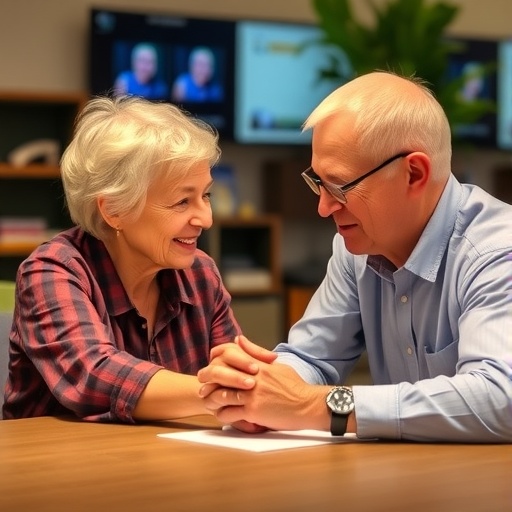
Parallel to the physical interventions of I-PASS is the revolutionary EPIC LA+ program, spearheaded by Assistant Professor Abigail Gómez-Morales, which utilizes telecommunication technology to address the psychological and logistical demands of dementia. This virtual intervention, conducted nationwide via high-definition video conferencing, treats the logistical challenges of cognitive decline with the same clinical rigor as a pharmacological trial. The program recognizes that for an older adult living alone, the loss of cognitive executive function is not just a medical diagnosis but an existential threat to their independence. Through a structured series of group sessions, EPIC LA+ creates a virtual community where participants can refine their communication strategies and engage in rigorous future care planning. This proactive approach ensures that the individual’s personal values remain central to their care journey, even as their cognitive abilities shift, thereby reducing the immense psychological burden and anxiety that typically accompany the early stages of memory loss and cognitive erosion.
The preliminary empirical evidence for EPIC LA+ is nothing short of extraordinary, boasting a one hundred percent participant retention rate in its pilot phases, a metric almost unheard of in behavioral clinical trials. Beyond mere participation, the data indicates significant improvements across a spectrum of metrics, including emotional mood stability, communicative confidence, and a heightened sense of self-care preparedness. These results suggest that the digital medium, when utilized with social-emotional intelligence, can serve as a powerful surrogate for traditional face-to-face support networks that are often unavailable to those living in isolation. The success of this pilot has already catalyzed the launch of a large-scale randomized clinical trial, which aims to further quantify the neurological and social benefits of this virtual assistance model. By scaling these interventions, the ASU Roybal Center is demonstrating that the “Science @ Scale” theme of the AAAS meeting is not just a slogan but a blueprint for how modern society must manage the health of an entire aging civilization through decentralized, tech-driven care.
The implications of this research extend far beyond the laboratory, as they challenge our fundamental understanding of how we care for the most vulnerable members of society in a hyper-digital age. The work being done by the Edson College faculty highlights a radical reimagining of the home as a therapeutic space, where smart technology acts as a silent, vigilant partner in maintaining the resident’s health and safety. This paradigm shift requires a deep understanding of human-computer interaction, specifically tailored to those who may have limited digital literacy but high medical necessity. By integrating wearable sensors, virtual platforms, and behavioral coaching, these researchers are creating a comprehensive safety net that addresses the multifaceted nature of aging. The focus on “Tech-Solutions” is therefore not about replacing human touch, but about amplifying human capacity and providing a bridge back to social connectivity for those who have been marginalized by geography or biology. It is a bold affirmation that science can provide the tools to ensure that living alone does not necessarily mean living in decline.
In the broader context of public health, the initiatives from the ASU Roybal Center serve as a crucial response to the burgeoning epidemic of Alzheimer’s and related dementias, which threaten to overwhelm the healthcare infrastructure of many developed nations. By intervening in the early stages of decline and targeting those who are most at risk due to isolation, research projects like I-PASS and EPIC LA+ are attempting to bend the curve of disability. From a clinical perspective, delaying the transition from mild cognitive impairment to full-blown dementia by even a few years can have a profound impact on the quality of life for the individual and a massive reductive effect on total healthcare costs. This economic and social reality makes the work of Andel, Yu, Coon, Maxfield, and Gómez-Morales essential for policymakers and health practitioners alike. Their interdisciplinary approach fuses nursing excellence with cutting-edge engineering and psychological insights, creating a robust framework for what we call “longevity science” in the professional world.
As the attendees of the 2026 AAAS Annual Meeting gather in Phoenix, the discussion on technology-enabled cognitive support will likely set the global agenda for geriatric research for the next decade. The Phoenix Convention Center will witness a synthesis of data and humanism, as the panel presents evidence that technology can indeed foster “Healthy and Resilient Aging.” This is a vision of the future where the elderly are not forgotten casualties of time but are empowered participants in their own health journey, supported by an invisible architecture of digital care. The scalability of these programs is key; because they reside in the cloud and on the wrist, they can reach an aging veteran in a rural town or a widow in a metropolitan high-rise with equal efficacy. This democratization of high-tech intervention is what will ultimately define the success of modern science in addressing the aging crisis, ensuring that innovation serves the many rather than just the privileged few.
Technological intervention in the realm of cognitive decline also opens new doors for understanding the plasticity of the aging brain, suggesting that we have underestimated the capacity for late-life behavioral change. The I-PASS program’s use of goal-setting and resilience training suggests that the brain remains responsive to structured challenges and social reinforcement well into the eighth and ninth decades of life. When an older adult engages with a virtual coach or tracks their steps via a wearable device, they are participating in a form of neuro-rehabilitation that strengthens the prefrontal cortex and legalizes the dopamine-reward system. This indicates that the decline traditionally associated with aging is not an unavoidable mechanical failure but a process that can be managed, slowed, and in some cases, partially mitigated through intentional, tech-guided action. The ASU researchers are effectively providing a “software update” for the aging experience, replacing old models of passive care with new protocols of active engagement.
Moreover, the focus on people living alone addresses a critical “hidden” population that has historically been excluded from many clinical trials due to the lack of a live-in caregiver to oversee protocol adherence. By designing interventions that are self-managed and tech-supported, the researchers at the Edson College are expanding the reach of clinical science to a demographic that represents a significant portion of the total aging population. This inclusivity is vital for ensuring that the benefits of scientific progress are distributed equitably across all living situations. The EPIC LA+ program’s high retention rate proves that this population is not only capable of using these technologies but is hungry for the connection and structure they provide. It turns out that the digital divide is not an impassable chasm but a manageable gap that can be bridged with thoughtfully designed interfaces and compassionate, evidence-based curriculum.
The synergy between the different projects at the ASU Roybal Center highlights the importance of a holistic approach to health, where physical activity and emotional well-being are viewed as two sides of the same coin. A person who is physically active through I-PASS is better equipped to handle the emotional rigors of EPIC LA+, and vice-versa, creating a virtuous cycle of health that can dramatically alter the trajectory of aging. This integrated model is what the NIH Stage Model aims to foster—the creation of robust, multifaceted interventions that work in concert to support the complex needs of a human being. As the scientific community looks toward the Phoenix presentations, there is a palpable sense of hope that we are finally developing the tools to match the scale of the challenges we face. The marriage of technology and gerontology is no longer a futuristic dream; it is an current, evidence-based reality that is already changing lives and redefining the possibilities of the human lifespan.
Finally, the work of Arizona State University at the AAAS meeting underscores the vital role of academic institutions as engines of social and medical innovation. By hosting researchers, moderators, and directors who are all dedicated to a singular goal, the university is demonstrating how a concentrated effort can lead to breakthroughs that have a global resonance. The upcoming panel is more than just a presentation of data; it is a call to action for scientists, engineers, and healthcare providers to collaborate on solutions that prioritize the dignity and independence of the elderly. As we move forward into an era where “Science @ Scale” becomes the norm, the lessons learned from I-PASS and EPIC LA+ will serve as the foundation for a new generation of health interventions. The future of aging is being written today in the labs and clinical trials of Phoenix, and it is a future characterized by resilience, connectivity, and the enduring power of human-centered technology to heal and protect the mind.
Cite Scienmag News
Beatrice Stafford. (February 14, 2026). ASU Tech Redefines Aging in Place for Seniors with Cognitive Decline. Scienmag. https://scienmag.com/asu-tech-redefines-aging-in-place-for-seniors-with-cognitive-decline/
Beatrice Stafford. "ASU Tech Redefines Aging in Place for Seniors with Cognitive Decline." Scienmag, 14 February 2026, https://scienmag.com/asu-tech-redefines-aging-in-place-for-seniors-with-cognitive-decline/. Accessed 3 September 2026.
Beatrice Stafford. "ASU Tech Redefines Aging in Place for Seniors with Cognitive Decline." Scienmag. February 14, 2026. https://scienmag.com/asu-tech-redefines-aging-in-place-for-seniors-with-cognitive-decline/


