


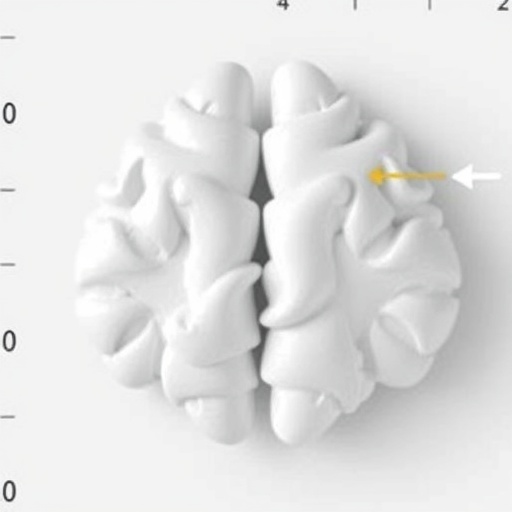
In the ongoing battle against Alzheimer’s disease, a new beacon of hope emerges from the laboratories of Northwestern University. Their latest research uncovers a compelling mechanism that contributes to the production of toxic amyloid-beta 42 peptides, central to Alzheimer’s pathology, and reveals that an existing FDA-approved anti-seizure drug, levetiracetam, can disrupt this harmful process. This groundbreaking discovery not only deepens our understanding of the disease’s molecular underpinnings but also suggests a promising avenue for early intervention.
Alzheimer’s disease has long been associated with the accumulation of amyloid plaques—sticky clumps composed predominantly of amyloid-beta 42 peptides—in the brain. These plaques are thought to precede and precipitate the neurodegenerative cascade that results in cognitive decline and dementia. Despite extensive research, the precise cellular stages and locations where these peptides begin to accumulate remained elusive until this new study identified synaptic vesicles within neurons as critical reservoirs of toxic amyloid-beta 42.
The synaptic vesicles are fundamental to neuronal communication, storing neurotransmitters that facilitate signal transmission across the synapse. The Northwestern team discovered that amyloid precursor protein (APP), whose improper processing leads to amyloid-beta production, traffics through these vesicles. The aberrant processing within synaptic vesicles orchestrates the formation of the toxic amyloid-beta 42 fragment. Their research elucidated that modifying the synaptic vesicle cycle could divert APP away from this pathogenic pathway.
Levetiracetam, a well-established anti-epileptic drug, exerts its effects by binding to the synaptic vesicle protein SV2A. This interaction slows the recycling of synaptic vesicle components, thereby prolonging APP’s residence on the neuron’s surface. This delay is crucial, as it prevents APP’s internalization into the endocytic pathway where amyloid-beta 42 is generated. By effectively “pausing” the synaptic vesicle cycle, levetiracetam reroutes APP processing, dramatically reducing the production of the toxic peptides responsible for amyloid plaque formation.
Older individuals, particularly those entering midlife, face an incremental decline in their neurons’ ability to regulate APP trafficking and avoid amyloid-beta 42 production. This biological vulnerability sets the stage for Alzheimer’s pathogenesis. The discovery’s significance lies in its potential to intercept the disease decades before clinical symptoms manifest, offering a preventive strategy rather than reactive treatment after significant neuronal death has occurred.
The therapeutic window for levetiracetam thus appears to be narrowly confined to the preclinical stages of Alzheimer’s pathology, possibly requiring administration well before current diagnostic techniques can detect abnormal amyloid-beta levels. This insight challenges the prevailing treatment paradigm that typically targets existing amyloid plaques in symptomatic patients, underscoring the necessity of extremely early intervention.
Intriguingly, the research team leveraged extensive clinical data to probe whether Alzheimer’s patients who had been prescribed levetiracetam experienced slower disease progression compared to those on other anti-epileptic medications or none at all. Their retrospective analysis demonstrated a modest but statistically meaningful extension in survival time post-diagnosis for patients on levetiracetam, hinting at the drug’s promise in modifying disease trajectory.
To further validate their findings, the scientists investigated brain tissue from individuals with Down syndrome, a population genetically predisposed to early-onset Alzheimer’s due to trisomy of the chromosome harboring the APP gene. The brains from young adults with Down syndrome—who had not yet developed overt dementia—showed early accumulation of presynaptic proteins, mirroring the synaptic pathology observed in mouse models. This convergence of data across species highlights the universality of the identified mechanism.
The promise of levetiracetam in preemptive treatment also comes with challenges. Notably, the drug’s pharmacokinetics involve rapid breakdown and clearance from the body, which may limit its efficacious window and dosing convenience. Acknowledging this, the researchers are pursuing the development of next-generation compounds that harness levetiracetam’s mechanism but possess improved stability and pharmacological profiles.
By illuminating the synaptic vesicle cycle as a critical modulator of amyloidogenic processing in neurons, this research opens up fresh therapeutic targets beyond amyloid plaque clearance. It also emphasizes the importance of timing in Alzheimer’s interventions, potentially shifting the focus to maintaining synaptic health and protein trafficking decades before cognitive decline begins.
While numerous anti-amyloid therapies such as lecanemab and donanemab focus on removing deposits after they appear, levetiracetam’s novel mechanism interrupts the initial generation of toxic amyloid-beta peptides. This upstream intervention could signify a paradigm shift, moving from symptomatic management to disease prevention by preserving neuronal function at the molecular level.
Alzheimer’s disease research has often been hampered by the complexity of neuronal protein processing and limited insight into early-stage biomarkers. This study’s multi-modal approach—combining genetically engineered animals, cultured human neurons, and rare human brain tissue—provides robust validation for the mechanism uncovered. Such integrative research underscores the future importance of cross-disciplinary collaboration in tackling neurodegenerative disorders.
As the population ages globally, the stakes for effective Alzheimer’s interventions grow ever higher. The discovery reported by Northwestern University researchers reinvigorates hope that existing drugs repurposed with precise molecular insights can contribute substantially to preventing or delaying this devastating disease.
News Publication Date: 11-Feb-2026.
Cite Scienmag News
Diana Fleming. (February 11, 2026). Common Anti-Seizure Medication Found to Inhibit Formation of Alzheimer’s Plaques. Scienmag. https://scienmag.com/common-anti-seizure-medication-found-to-inhibit-formation-of-alzheimers-plaques/
Diana Fleming. "Common Anti-Seizure Medication Found to Inhibit Formation of Alzheimer’s Plaques." Scienmag, 11 February 2026, https://scienmag.com/common-anti-seizure-medication-found-to-inhibit-formation-of-alzheimers-plaques/. Accessed 4 September 2026.
Diana Fleming. "Common Anti-Seizure Medication Found to Inhibit Formation of Alzheimer’s Plaques." Scienmag. February 11, 2026. https://scienmag.com/common-anti-seizure-medication-found-to-inhibit-formation-of-alzheimers-plaques/


