


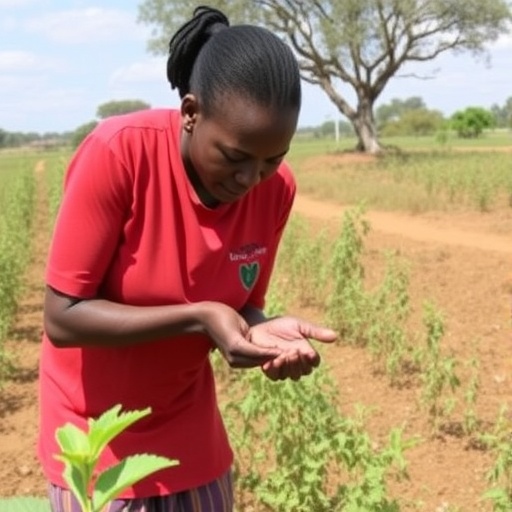
In recent years, the crucial role of community seed banks in enhancing agricultural sustainability has come to the forefront, particularly in developing nations like Kenya. As the global population continues to expand, the demand for food will only increase, making sustainable agricultural practices imperative. Researchers, including Nyongesa, Oulu, and Wanjama, have turned their focus toward understanding the sustainability strategies and the challenges faced by community seed banks in Kenya. Their findings, set to be published in the upcoming article in Discov Sustain, unravel the complexities of seed banking and its potential impact on local farming practices.
The agricultural landscape in Kenya is characterized by diverse climatic conditions and farming systems. However, farmers encounter numerous obstacles, ranging from climate change to market access and biodiversity loss. Community seed banks are emerging as a viable solution that not only preserves local varieties of crops but also empowers farmers. These seed banks cultivate resilience within communities, enabling them to maintain crop diversification and safeguard against the adverse effects of climate change. The research brings to light how these initiatives support not just biodiversity but also food security among local populations.
One of the primary challenges identified in this research is the sustainability of community seed banks themselves. They require consistent funding and resources, which many struggle to secure over time. The researchers have highlighted that while having a robust seed bank can encourage the conservation of indigenous seeds, the operational costs associated with maintaining such banks can be taxing for local communities. As a result, understanding economic strategies and funding mechanisms becomes crucial in ensuring their longevity.
Moreover, the research addresses the importance of local participation in the management of these seed banks. Engaging local farmers in decision-making processes fosters a sense of ownership and responsibility towards the seed bank. Building this community engagement creates a network of support around the seed bank, helping to overcome some of the challenges related to resource availability. Involving the community not only strengthens the social fabric but also enhances the effectiveness of conservation efforts.
The role of education and training cannot be overlooked in the context of community seed banks. The findings suggest that providing farmers with the necessary knowledge and skills is essential for the success of these initiatives. Educational programs that focus on sustainable agricultural practices, seed saving techniques, and post-harvest management can empower farmers to make informed decisions. Consequently, these initiatives could enhance crop yields and improve food security, setting a foundation for sustainable development.
Technology also plays a vital role in modernizing the operations of community seed banks. The integration of digital tools can streamline inventory management, facilitate seed exchange networks, and improve communication between farmers and seed banks. The study indicates that adopting technology-based solutions can help overcome logistical challenges and create more effective distribution networks. This technological advancement holds promise not just for efficiency but also for providing real-time data on seed availability and demand.
Climate change is another significant factor affecting agricultural sustainability in Kenya. The researchers assert that community seed banks can serve as a buffer against the impacts of climate fluctuations. By preserving a variety of seed types that are resilient to changing climatic conditions, these banks enable farmers to adapt their practices to emerging challenges. The study emphasizes the need for more research on climate-resilient crops and how community seed banks can effectively contribute to this aspect of agricultural research.
Furthermore, addressing the gender dynamics within farming communities reveals another layer of complexity. Women play a pivotal role in agriculture but often face systemic barriers that limit their access to resources and decision-making opportunities. The ongoing research underscores the necessity for gender-sensitive approaches within seed banking initiatives. By empowering women through training and leadership roles in seed banks, communities can foster greater inclusivity and elevate the overall effectiveness of these programs.
As the study delves deeper into the operational challenges, it also assesses the impact of policy frameworks on community seed banks. The researchers argue that supportive policies at both local and national levels are essential in promoting sustainable agricultural practices. Regulatory frameworks need to align with the goals of seed banks, ensuring that legal barriers do not impede farmers’ access to necessary resources. This alignment will create an enabling environment for the growth and sustainability of community seed banks.
While community seed banks stand at the forefront of agricultural sustainability, they are not without criticism. Some experts caution against over-reliance on these banks as a panacea for all agricultural challenges. The research acknowledges that successful food security also depends on broader systemic changes encompassing trade, market access, and technological advancements. By critically evaluating the multifaceted nature of agricultural sustainability, this study provides a more nuanced understanding of the challenges ahead.
The preliminary findings from Nyongesa and his colleagues serve as a call to action for stakeholders investment in sustainable practices within the agricultural ecosystem. Farmers, policymakers, NGOs, and researchers must collaborate to strengthen community seed banks and address the barriers they face. Joint efforts can ensure that these vital resources are not undermined but supported in ways that lead to enhanced food security and agricultural resilience.
Ultimately, the roadmap to achieving sustainable agricultural practices in Kenya will require a concerted and inclusive effort from all sectors of society. Community seed banks offer a promising avenue forward, but success will depend on investments that recognize the interconnectedness of social, economic, and environmental factors. The sustainability strategies discussed in this research aim to forge a holistic approach to agriculture that preserves biodiversity while addressing the immediate needs of farmers.
As we approach the publication of this pivotal research, the engagement of the public and agricultural stakeholders will be crucial in drawing attention to the sustainability of community seed banks. By fostering an environment of awareness and enthusiasm for these initiatives, we can collectively contribute to a more resilient agricultural future in Kenya and beyond. Each step taken towards enhancing the sustainability of community seed banks can significantly impact not just local livelihoods but the global quest for sustainable agricultural practices.
The findings from this research will undoubtedly spark discussions and encourage further investigation into the vital connection between seed banks, climate resilience, and food security. As we navigate the complexities of the modern agricultural landscape, the insights from Nyongesa, Oulu, and Wanjama remind us of the importance of innovative strategies and community involvement in creating a future that champions sustainability at its core.
Nyongesa, B.O., Oulu, M., Wanjama, D. et al. Sustainability strategies and challenges of selected community seed banks in Kenya.
Discov Sustain (2026). https://doi.org/10.1007/s43621-026-02664-5
Cite Scienmag News
Alan Morgan. (February 8, 2026). Exploring Sustainability Challenges in Kenya’s Community Seed Banks. Scienmag. https://scienmag.com/exploring-sustainability-challenges-in-kenyas-community-seed-banks/
Alan Morgan. "Exploring Sustainability Challenges in Kenya’s Community Seed Banks." Scienmag, 8 February 2026, https://scienmag.com/exploring-sustainability-challenges-in-kenyas-community-seed-banks/. Accessed 3 September 2026.
Alan Morgan. "Exploring Sustainability Challenges in Kenya’s Community Seed Banks." Scienmag. February 8, 2026. https://scienmag.com/exploring-sustainability-challenges-in-kenyas-community-seed-banks/


