


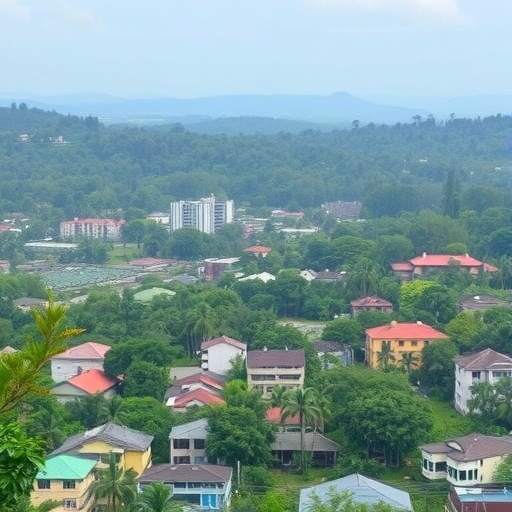
Urban expansion is a phenomenon that has been sweeping across many parts of the world, and its effects on biodiversity are becoming increasingly apparent. In a recent study conducted in Nirjuli, Arunachal Pradesh, Northeast India, researchers have delved into the implications that urban growth poses for forest biodiversity, particularly on private lands. This research highlights a critical environmental issue that could serve as a wake-up call for urban planners, policymakers, and conservationists alike.
As urban areas expand, forests that were once integral to sustaining local ecosystems are being replaced with concrete structures and infrastructure. This transformation does not merely alter the landscape; it disrupts intricate ecological balances. The study led by Borah, Taram, and Kanu articulates how human encroachment into forested areas can lead to habitat loss, fragmentation, and, ultimately, declines in biodiversity, factors that contribute to the destabilization of local environments.
Nirjuli, situated in the foothills of the Himalayas, has been experiencing rapid urbanization, presenting a unique case study of the tension between development and conservation. The area’s private lands, which have historically supported diverse plant and animal species, are now at risk of being cleared for housing projects, roads, and other urban infrastructure. The consequences are dire, as the disappearance of these forests not only threatens local wildlife but also diminishes the ecosystem services that they provide.
One of the captivating aspects of this study is its focus on private land ownership, which often goes overlooked in discussions about urban expansion. Unlike public lands, which may have protective regulations in place, private properties can be developed with relative impunity, raising significant concerns about land use and conservation efforts. The findings underscore the need for targeted interventions that consider the unique challenges posed by private land ownership in the context of urban sprawl.
Researchers have pointed out that the forests of Nirjuli are home to numerous endemic species, which are crucial for maintaining ecological health. When habitats are destroyed or fragmented, these species face increased pressures that can lead to decreased genetic diversity and, in some cases, extinction. This concern is particularly pressing in regions like Northeast India, where biodiversity is already under threat from various anthropogenic activities, including agriculture and logging.
Furthermore, urban expansion frequently leads to the introduction of invasive species that can outcompete native flora and fauna, exacerbating the threats to local biodiversity. The research team detailed how these invasive species disrupt food webs and alter habitat conditions, compounding the existing challenges faced by native species. The cycle of urban growth and environmental degradation appears to feed into itself, creating a dire situation where recovery becomes increasingly difficult.
The study also emphasizes the role of policy in mediating the impact of urban growth on biodiversity. Through sound urban planning and regulation, there exists the potential to mitigate some of the adverse effects associated with land use change. Strategies such as land-use zoning, conservation easements, and the establishment of green corridors could be instrumental in preserving vital ecosystems while accommodating urban development.
Equally vital is the need for community engagement in conservation efforts. The residents of Nirjuli, who may be eager to improve their living conditions through urban development, should also be educated on the long-term benefits of protecting local biodiversity. This awareness can cultivate a sense of stewardship, prompting individuals to embrace sustainable practices that can harmonize human needs with ecological preservation.
The research team suggests implementing comprehensive studies that monitor the ongoing effects of urbanization on local wildlife and ecosystems. This data-driven approach would provide clearer insights into the ecological transformations occurring in response to urban expansion. With solid evidence at hand, conservationists can better advocate for effective preservation strategies that balance human development with environmental health.
As urban centers like Nirjuli continue to grow, the outcomes highlighted in this study could serve as a blueprint for understanding how similar regions may cope with the dual challenges of growth and environmental sustainability. This research not only contributes to the academic discourse surrounding biodiversity and urbanization but also raises pressing questions regarding land management practices, community involvement, and biodiversity preservation.
The synthesis of findings from Borah, Taram, and Kanu ultimately stresses the urgency of addressing the consequences of urban expansion on biodiversity. With the ongoing pressures of climate change and human population growth, proactive measures must be taken to safeguard the invaluable ecosystems that provide for both residents and wildlife alike.
Human activity has often prioritized short-term benefits over long-term environmental health; however, this study serves as a reminder of the interconnectedness of all living things. The degradation of one component of an ecosystem can lead to repercussions felt across the entire ecological network. Therefore, integrating biodiversity considerations into urban planning is essential for promoting resilience and sustainability amidst ongoing growth.
As we look to the future, the fate of regions like Nirjuli may hinge on our collective actions today. Policymakers, urban planners, and community members must engage in an open dialogue to establish a trajectory that favors sustainable urban growth over unchecked expansion. In the face of global environmental challenges, the studies carried out in places like Arunachal Pradesh often hold key lessons for the world at large.
In summary, the alarming trajectories outlined by Borah and his colleagues signal an urgent call to action. Conserving forest biodiversity amid urban expansion isn’t merely an academic issue; it’s a pressing challenge that directly affects the livelihoods of communities and the health of our planet.
The importance of this study cannot be overstated; as urban landscapes continue to evolve, understanding their impact on natural ecosystems is our responsibility, and safeguarding biodiversity should become a paramount objective for both local and global communities.
Borah, D., Taram, M., Kanu, B. et al. Urban expansion threatens forest biodiversity on private lands in Nirjuli, Arunachal Pradesh, Northeast India.
Discov. For. 2, 11 (2026). https://doi.org/10.1007/s44415-026-00069-w
Cite Scienmag News
Margaret Porter. (February 3, 2026). Urban Growth Endangers Biodiversity in Nirjuli Forests. Scienmag. https://scienmag.com/urban-growth-endangers-biodiversity-in-nirjuli-forests/
Margaret Porter. "Urban Growth Endangers Biodiversity in Nirjuli Forests." Scienmag, 3 February 2026, https://scienmag.com/urban-growth-endangers-biodiversity-in-nirjuli-forests/. Accessed 4 September 2026.
Margaret Porter. "Urban Growth Endangers Biodiversity in Nirjuli Forests." Scienmag. February 3, 2026. https://scienmag.com/urban-growth-endangers-biodiversity-in-nirjuli-forests/


