


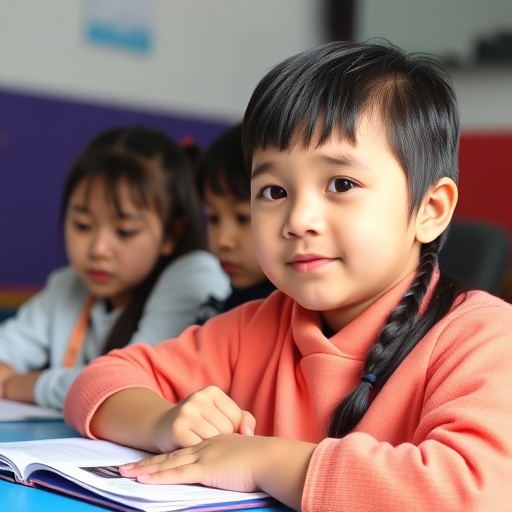
In a groundbreaking and extensive investigation into educational outcomes, a recent study led by Makhmetov, Satanov, and Yessenbekova presents an insightful analysis of student well-being and academic achievement through the lens of the PISA 2022 data from Kazakhstan. As educational systems worldwide grapple with the ongoing challenges posed by the COVID-19 pandemic and shifting pedagogical theories, the quest to understand factors that influence student success is more pertinent than ever. The authors meticulously dissect a range of variables related to student experiences, highlighting the interplay between emotional health and academic performance.
The significance of this study is underscored by the ongoing discourse surrounding educational efficacy in the modern age. Historically, assessments like the Programme for International Student Assessment (PISA) have focused predominantly on students’ cognitive skills, often neglecting the vital aspect of their emotional and psychological well-being. However, the researchers argue that a more holistic approach is necessary. They assert that academic achievement is intrinsically linked to how students perceive their own wellbeing and the support they receive from their educational environments.
A key aspect of this research involves the nuanced understanding of “student well-being,” which encompasses various dimensions, including emotional stability, social connections, and academic engagement. The authors leverage advanced statistical analyses of the PISA data, examining how these elements converge or diverge across different demographics and socio-economic backgrounds. This rigorous exploration reveals that students who report higher levels of well-being tend to excel academically, suggesting a clear correlation between personal satisfaction and educational outcomes.
Moreover, the study draws attention to the contextual factors that shape student experiences in Kazakhstan. The researchers explore how cultural attitudes towards education, societal expectations, and family dynamics play crucial roles in influencing both wellbeing and academic achievement. Through qualitative insights gleaned from the quantitative data, they construct a narrative that offers a deeper understanding of the unique challenges faced by Kazakhstani students, particularly in an era marked by rapid change.
The implications of these findings extend far beyond the borders of Kazakhstan. Educators, policymakers, and researchers globally can glean important lessons from this comprehensive analysis. The study presents a compelling case for integrating well-being initiatives within educational frameworks. As the authors argue, schools that prioritize emotional health and create supportive learning environments may not only improve student satisfaction but also enhance overall academic outcomes.
The research also raises critical questions about the role of teaching practices in fostering well-being. It prompts educators to reflect on their methodologies and encourages schools to adopt a more student-centered approach. By prioritizing emotional learning alongside academic instruction, educators may be better equipped to meet the diverse needs of their students, Ultimately, this shift could lead to a more resilient and successful generation of learners.
Throughout the study, the authors utilize various psychological theories and frameworks to support their arguments, including Maslow’s hierarchy of needs and the socio-ecological model of health. These theoretical underpinnings provide a well-rounded context for the data analysis, allowing for a richer interpretation of the findings. It becomes increasingly clear that, in order to nurture well-rounded individuals, educational systems must account for the emotional and psychological factors that contribute to students’ lives.
Furthermore, the use of PISA data allows researchers to compare Kazakhstan’s educational landscape against international standards, offering a lens through which to evaluate its position in the global education arena. By identifying strengths and weaknesses within the current educational framework, the study empowers local stakeholders to implement targeted interventions that can lead to meaningful improvement. This comparative analysis is crucial for understanding the broader implications of national educational policies on student well-being and achievement.
As the world continues to evolve, so too must the education systems that serve its youth. The findings from this research underscore the necessity for adaptive strategies that respond to the changing needs of students. By fostering an environment where students feel cherished, understood, and engaged in their learning processes, educators can lay the groundwork for academic success and emotional resilience. This is not merely an aspiration but a pressing need for today’s educational institutions.
In their conclusion, Makhmetov, Satanov, and Yessenbekova call for robust initiatives that unite policy reform with community engagement to nurture an educational ecosystem that values both academic achievement and personal well-being. They advocate for collaboration among schools, families, and community organizations to create a supportive infrastructure for students. Through such partnerships, the authors believe that more vibrant and buoyant educational settings can emerge, ultimately enhancing the overall landscape of student learning.
In a world marked by uncertainty and change, the insights derived from this study offer a beacon of hope for educators seeking to empower their students. By shifting focus toward a more holistic understanding of student experiences, educational institutions have the potential to transform lives, kindle passion for learning, and foster resilient future generations. Hence, the research conducted by these authors serves as an invaluable resource, igniting conversations about how to bridge the divides between academic achievement and student well-being in meaningful ways.
In light of this comprehensive analysis, it is evident that integrating well-being into the academic framework presents more than just an opportunity; it constitutes a fundamental shift in educational philosophy. The work of Makhmetov and colleagues provides critical insights that could drive future policy decisions and influence educational practices on both a national and global scale.
Makhmetov, A., Satanov, A. & Yessenbekova, K. A person centered analysis of student well being and academic achievement using PISA 2022 data from Kazakhstan. Discov Educ (2026). https://doi.org/10.1007/s44217-026-01119-3
Cite Scienmag News
Celia A. (February 1, 2026). Exploring Student Well-Being and Achievement in Kazakhstan. Scienmag. https://scienmag.com/exploring-student-well-being-and-achievement-in-kazakhstan/
Celia A. "Exploring Student Well-Being and Achievement in Kazakhstan." Scienmag, 1 February 2026, https://scienmag.com/exploring-student-well-being-and-achievement-in-kazakhstan/. Accessed 28 August 2026.
Celia A. "Exploring Student Well-Being and Achievement in Kazakhstan." Scienmag. February 1, 2026. https://scienmag.com/exploring-student-well-being-and-achievement-in-kazakhstan/


