


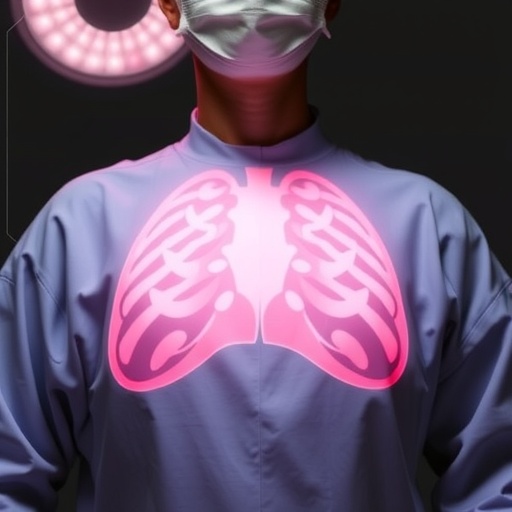
In the realm of breast cancer treatment, a new paradigm is emerging, aimed at reshaping how both healing dynamics and surgical interventions are approached. The ever-evolving landscape of medical technology and therapeutics is bringing to light the need for an updated perspective on a condition that has long posed formidable challenges. Recent advancements have opened avenues for innovative techniques and treatments, making it imperative for healthcare professionals to rethink traditional strategies.
Breast cancer remains one of the most prevalent cancers affecting women worldwide, with a spectrum of tumor biology that complicates treatment pathways. Traditional surgical options, including lumpectomy and mastectomy, have been stalwarts of breast cancer management. However, as our understanding of tumor microenvironments and patient responses to therapies grows, it becomes clear that surgical techniques must evolve in tandem with these insights. The surgery of the future could involve less invasive procedures, guided by real-time imaging and personalized treatment plans.
A critical factor in the healing dynamics of breast cancer patients is now being recognized: the patient’s biological response to treatment. Studies reveal that individual genetic makeups and tumor characteristics can significantly influence healing times and outcomes following surgery. This recognition could lead to the development of tailored rehabilitation programs that not only address surgical recovery but also incorporate strategies to enhance the patient’s immune response during this vulnerable phase.
One fascinating advancement involves the role of novel biomaterials in surgical interventions. Researchers are investigating how these materials can facilitate tissue regeneration and minimize scarring, leading to better aesthetic outcomes without compromising the effectiveness of the cancer treatment. The integration of 3D printing technology allows for the creation of patient-specific implants that can support surgical healing effectively, reducing the duration of recovery and potentially improving overall survival rates.
In parallel, the use of advanced imaging techniques, such as intraoperative ultrasound and MRI, is revolutionizing how surgeries are performed. These technologies provide surgeons with real-time insights, enabling them to navigate tumors with unprecedented precision, thereby preserving healthy tissue and enhancing postoperative recovery. Enhanced visualization techniques could play an essential role in reducing reoperation rates due to incomplete tumor removal, a challenge that has historically plagued surgical oncology.
Moreover, with the rise of immunotherapy and targeted therapies, surgical strategies must adapt to include preoperative and postoperative treatment regimens that bolster the effectiveness of these modalities. Integrating surgical approaches with comprehensive therapeutic protocols may yield higher rates of patient survival and lower recurrence rates. Such integrative strategies necessitate a multidisciplinary approach involving oncologists, surgeons, radiologists, and nurse practitioners to effectively manage patient care.
The psychosocial aspects of breast cancer treatment also warrant consideration. Mental health plays a significant role in recovery, and healthcare systems should be proactive in offering psychological support to patients throughout their treatment journey. As stress and anxiety can impair healing, addressing these emotional challenges is critical in the recovery process. Implementing supportive care measures can improve patient outcomes and ultimately lead to enhanced quality of life post-treatment.
The discussion around healing dynamics must also extend to the socio-economic factors that inevitably influence treatment accessibility and outcomes. Disparities in care across different populations underscore the importance of not only advancing medical technologies but also ensuring equitable access to these innovations. Strategies aimed at improving healthcare equity are crucial in addressing the multifaceted challenges that breast cancer patients face on their journey.
Emerging research continues to unveil the potential of precision medicine in breast cancer treatment, where therapy is guided by the specific characteristics of the patient’s tumor. This tailored approach to treatment offers hope for reduced side effects and improved efficacy. Additionally, the incorporation of artificial intelligence in the diagnostic process could streamline decision-making, allowing for earlier interventions, which are often critical in the management of breast cancer.
As we navigate these advancements, ethical considerations surrounding patient consent and the usage of emerging technologies cannot be overlooked. Informed consent processes must evolve to illuminate the complexities of new treatment options and their implications fully. Ensuring that patients are empowered to make decisions about their care fosters trust and encourages active participation in their treatment journey.
The future of breast cancer management is undoubtedly bright, imbued with the promise of continued innovation and improved outcomes for patients. Coupled with advances in technology and an evolving understanding of healing dynamics, the surgical landscape in breast cancer treatment is set to transform dramatically. This evolution will undoubtedly lay the groundwork for greater success in conquering one of the most prevalent forms of cancer seen today.
In conclusion, as we look to the future of breast cancer treatment and the rethinking of surgical approaches, it is evident that a multi-faceted strategy is paramount. Integrating science, technology, psychosocial care, and equitable access will pave the way for healthier outcomes and robust healing dynamics within this patient population. Vigilance and continual learning will be essential as the medical community embraces these changes, fostering an environment where both patients and healthcare providers can thrive amid the challenges of breast cancer treatment.
By embracing a holistic approach that merges novel therapeutics with innovative surgical practices, we can ensure that the fight against breast cancer remains dynamic, compassionate, and ultimately successful, creating a future where patients have access to the best possible care.
Vinci, S., Biciuffi, R., Barbieri, E. et al. Healing dynamics and surgery in breast cancer: rethinking a timeless challenge in light of advancing therapies and technologies.
J Transl Med (2026). https://doi.org/10.1186/s12967-026-07729-7
Cite Scienmag News
Nathaniel Bowman. (January 26, 2026). Revolutionizing Breast Cancer Surgery with Advanced Therapies. Scienmag. https://scienmag.com/revolutionizing-breast-cancer-surgery-with-advanced-therapies/
Nathaniel Bowman. "Revolutionizing Breast Cancer Surgery with Advanced Therapies." Scienmag, 26 January 2026, https://scienmag.com/revolutionizing-breast-cancer-surgery-with-advanced-therapies/. Accessed 4 September 2026.
Nathaniel Bowman. "Revolutionizing Breast Cancer Surgery with Advanced Therapies." Scienmag. January 26, 2026. https://scienmag.com/revolutionizing-breast-cancer-surgery-with-advanced-therapies/


