


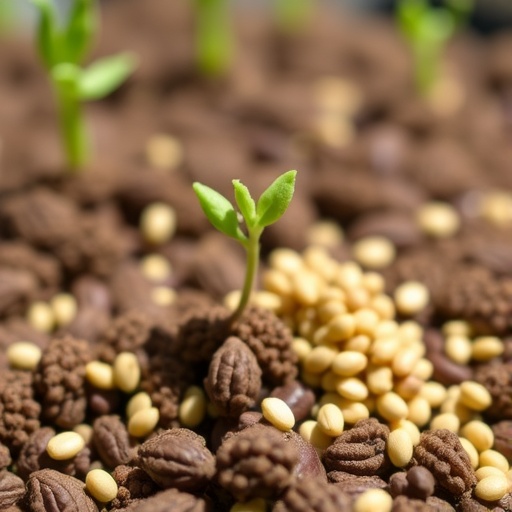
In an intriguing exploration of plant biology, researchers have unveiled critical insights into the molecular mechanisms underpinning seed germination in the versatile crop, Chenopodium quinoa. This research, spearheaded by a team led by Yin et al., focuses on the role of phytohormone signaling pathways during the crucial phase of seed germination. Utilizing comprehensive transcriptomic profiling techniques, the study identifies several key regulatory genes that facilitate these pathways, presenting significant implications for agricultural practices and crop improvement strategies.
Seed germination is a fundamental process in the plant life cycle, a phase where seeds transition from a dormant state to a thriving plant. This metamorphosis is predominantly regulated by a complex interplay of phytohormones, which are small signaling molecules that orchestrate various developmental processes. The research highlights the importance of understanding these signaling pathways, as they can significantly influence germination rates and, consequently, crop yields.
The study systematically analyzes the transcriptome of quinoa seeds at different germination stages, providing a detailed overview of gene expression patterns associated with phytohormonal activity. By employing high-throughput sequencing technologies, the researchers were able to detect thousands of transcripts, mapping out the intricate network of gene interactions critical for germination. This extensive data set serves as an invaluable resource for further investigations into quinoa and other crops.
A major finding of this research is the identification of specific genes that respond to different phytohormones, including auxins, gibberellins, and abscisic acid. Each of these hormones plays a distinct role in the regulation of seed germination, and their balanced interaction is essential for successful seedling development. The insights garnered from this research could pave the way for designing targeted approaches in agricultural biotechnology, enabling the enhancement of germination rates in various crops.
Moreover, the study expands on the role of environmental factors in influencing phytohormone signaling pathways. External conditions such as temperature, moisture, and light have been known to affect germination, but the underlying molecular responses have remained elusive. This research elucidates how different environmental cues can activate specific gene expressions, thereby refining our understanding of plant adaptability and resilience in changing climates.
One particularly noteworthy aspect of the study is the emphasis on quinoa, a crop that has gained considerable attention due to its nutritional value and adaptability to harsh environments. As the global demand for sustainable food sources rises, understanding the germination process in quinoa could have profound implications for food security. The study eliminates uncertainties surrounding the genetic basis of its adaptability, positioning quinoa as a model organism for future agricultural research.
The thorough characterization of these phytohormone pathways also poses the potential for discovering novel genes that could be harnessed for crop improvement. By manipulating these key regulatory genes, scientists could engineer varieties of crops that exhibit improved germination rates and increased resistance to abiotic stresses. The ramifications of such advancements could be transformative, particularly in regions vulnerable to climate change.
Furthermore, the research provides a comprehensive framework for integrating biochemical analyses with genomic data. This holistic approach enables a deeper exploration of plant signaling pathways and their regulatory networks. The findings underscore the necessity of interdisciplinary research in tackling the complexities of plant biology, further underscoring the significance of collaborative studies across various scientific domains.
In addition, the implications of this research extend beyond quinoa alone. The methodologies and insights derived from this study can be applied to other crops, facilitating similar transcriptomic analyses to identify regulatory pathways in diverse species. Such a cross-species approach can enhance our overall understanding of plant development, leading to more robust agricultural practices globally.
As the discourse on sustainable agriculture continues to evolve, studies like this one play a crucial role in informing policy and practice. By unraveling the genetic controls of seed germination, we are not only gaining knowledge about quinoa but are also contributing to a broader narrative focused on responsible and effective farming techniques. The intersection of science and agriculture is where the future resides, with each discovery holding the potential to inform best practices for feeding a growing population sustainably.
In conclusion, the work presented by Yin et al. epitomizes the essential fusion of technology and biology in modern agricultural research. By clarifying the role of phytohormones and their regulatory genes in seed germination, we are afforded a unique glimpse into enhancing crop performance. As challenges like climate change intensify, the knowledge gleaned from this study could pave the way for agricultural innovations that ensure food security and environmental health.
This groundbreaking research not only offers a scientific foundation for future studies but also emphasizes the urgency for ongoing exploration into plant biology. The need for robust, adaptable crops has never been greater, and the insights produced from this transcriptomic profiling may be critical in the fight against food insecurity. As we look ahead, the integration of genomic insights into practical agricultural applications becomes increasingly paramount in safeguarding our global food systems.
Ultimately, the advancements in our understanding of seed germination pathways, particularly in a crop as promising as quinoa, illustrate the transformative power of scientific research. With each new study, we move closer to mastering the genetic intricacies of plants, ensuring that agriculture can thrive in a world that is constantly shifting. As researchers continue to unveil these complex networks, we can aspire to create a more sustainable future that harmonizes with nature’s intricate designs.
Yin, Y., Wang, Y., Dong, Z. et al. Comprehensive transcriptomic profiling identifies key regulatory genes mediating phytohormone signaling pathways during seed germination in Chenopodium quinoa.
BMC Genomics 27, 79 (2026). https://doi.org/10.1186/s12864-025-12494-w
Cite Scienmag News
Juliet Wilcox. (January 26, 2026). Key Genes Uncovered in Quinoa Seed Germination. Scienmag. https://scienmag.com/key-genes-uncovered-in-quinoa-seed-germination/
Juliet Wilcox. "Key Genes Uncovered in Quinoa Seed Germination." Scienmag, 26 January 2026, https://scienmag.com/key-genes-uncovered-in-quinoa-seed-germination/. Accessed 7 September 2026.
Juliet Wilcox. "Key Genes Uncovered in Quinoa Seed Germination." Scienmag. January 26, 2026. https://scienmag.com/key-genes-uncovered-in-quinoa-seed-germination/


