


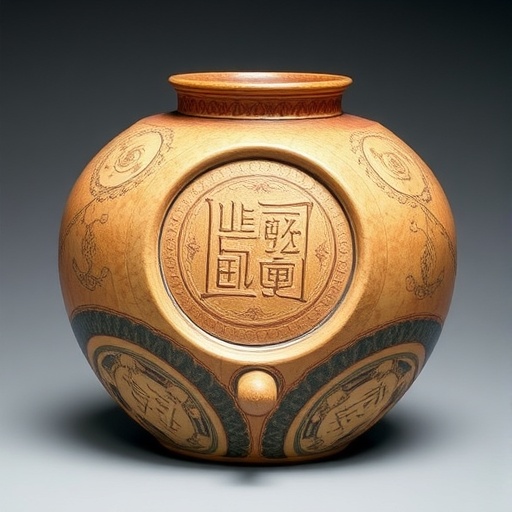
In recent studies focusing on the intricate world of Xiangsheng ceramics, experts have uncovered significant artifacts from the tumultuous eras of the Five Dynasties and Ten Kingdoms in China. This period, spanning from the late 9th to the early 10th centuries, is characterized by fragmentation and cultural diversity following the fall of the Tang Dynasty. The artifacts found at various sites across the region not only highlight the technological advancements in ceramic production but also reflect the socio-political dynamics of the epoch. This exploration sheds light on the continuity and innovation of Chinese craftsmanship, providing a window into the past that resonates profoundly with both historians and collectors today.
Among the notable findings are distinguishable features of Xiangsheng ceramics, which are known for their unique decorative techniques and functional designs. Scholars are particularly intrigued by the glazing methods utilized, which indicate a sophisticated understanding of materials and firing processes. The ceramics often display intricate patterns and motifs, revealing a hybridization of styles that resulted from interactions among regional cultures during a time of fragmentation and unrest. The variety in textures, colors, and shapes found in these artifacts suggests a flourishing artisan community dedicated to pushing the boundaries of ceramic artistry.
Furthermore, these discoveries bring to light the implications of trade and cultural exchange that thrived despite the political chaos. Sites where these ceramics were excavated often reveal signs of significant trade routes, indicating that although the political landscape was tumultuous, economic interactions were vibrant and essential for regional economies. This intricate web of trade facilitated the movement of ideas, technology, and artistic influences, allowing for a cross-pollination of cultures that is vividly reflected in the artifacts produced during this era.
Interestingly, the significance of Xiangsheng ceramics extends beyond mere aesthetics and functionality. They serve as historical documents, each piece telling a story of the people who created and used them. The materials chosen, the techniques employed, and the designs represented in each artifact collectively provide insight into the societal norms, economic conditions, and cultural practices of the time. For instance, the prevalence of certain motifs can be indicative of the religious and philosophical beliefs dominant during this period, suggesting a deeper connection between the material culture and the ideologies held by the communities.
The archaeological methodologies employed in the excavation and analysis of these ceramics are also noteworthy. The application of advanced technologies—inclusive of radiographic techniques and chemical analysis—has enabled researchers to unlock the secrets that these artifacts hold. By examining the elemental composition and structural integrity of the ceramics, scientists can reconstruct firing temperatures and evaluate the clay sources utilized in their manufacture. Such detailed examinations not only bolster our understanding of ancient craftsmanship but also inform contemporary practices in ceramic production.
Additionally, the role of women in the ceramic production process during the Five Dynasties and Ten Kingdoms is gradually being recognized within academic discussions. Recent findings suggest that women likely played crucial roles in both the creation and distribution of ceramics, influencing technical choices and aesthetic preferences that defined this era. As this demographic aspect comes to light, it warrants a reevaluation of traditional narratives that often overlook the contributions of women in historical craftsmanship. Such perspectives not only enrich our understanding of the ceramic industry but also challenge prevailing historical assumptions about gender roles in ancient societies.
However, the study of Xiangsheng ceramics and their accompanying cultural narratives does not exist in a vacuum. The current state of archaeological preservation and the ongoing threats posed by urbanization and industrialization present significant challenges for researchers. As excavation sites come under threat from modern development, the urgency for sustainable practices in archaeological preservation becomes evident. The need for a balanced approach to heritage management is more critical than ever, necessitating collaboration between archaeologists, local governments, and communities to safeguard these invaluable cultural resources for future generations.
In addressing these challenges, researchers advocate for increased public awareness and engagement with local heritage. Educational programs aimed at fostering appreciation for the cultural significance of these artifacts can be instrumental in rallying community support for preservation initiatives. By embedding archaeological narratives within contemporary cultural contexts, communities can better understand their historical lineage and the importance of protecting their heritage in an increasingly globalized world.
As we continue to delve deeper into the realms of Xiangsheng ceramics, it becomes evident that the interplay between craft and culture is both complex and captivating. Each recovery of artifacts from this period contributes significantly to a broader understanding of China’s dynastic history. Through the lens of these ceramics, we gain insight not only into the technological advancements of the time but also into the lived experiences of people navigating a landscape marked by both destruction and creativity.
Thus, the research conducted in this realm is pivotal for illuminating the multifaceted history of early Chinese societies. As more findings emerge from ongoing excavations, we can only anticipate the further revelations that will reshape our understanding of this dynamic era. The perseverance of scholarly inquiry into Xiangsheng ceramics stands as a testament to the enduring legacy of craftsmanship and the quest for knowledge that transcends time.
In conclusion, the study of Xiangsheng ceramics unearthed from sites corresponding to the Five Dynasties and Ten Kingdoms not only enriches our understanding of historical dynamics but also underscores the significance of continuing archaeological research. As we explore the intricate web of cultural connections represented by these artifacts, we find that they serve as both artistic expressions and vital historical documents, bridging the past with our contemporary narratives of identity and heritage.
Through this journey of discovery, we are reminded of the power of material culture in telling stories of human experience, creativity, and resilience, paved through time by the skilled hands of artisans dedicated to their craft. The future of such explorations holds promise for uncovering even more layers of history, illuminating the tapestry of human progress woven through art and industry.
Cite Scienmag News
Courtney Benton. (January 26, 2026). Unearthing Xiangsheng Ceramics: Insights from Dynasties. Scienmag. https://scienmag.com/unearthing-xiangsheng-ceramics-insights-from-dynasties/
Courtney Benton. "Unearthing Xiangsheng Ceramics: Insights from Dynasties." Scienmag, 26 January 2026, https://scienmag.com/unearthing-xiangsheng-ceramics-insights-from-dynasties/. Accessed 3 September 2026.
Courtney Benton. "Unearthing Xiangsheng Ceramics: Insights from Dynasties." Scienmag. January 26, 2026. https://scienmag.com/unearthing-xiangsheng-ceramics-insights-from-dynasties/


