


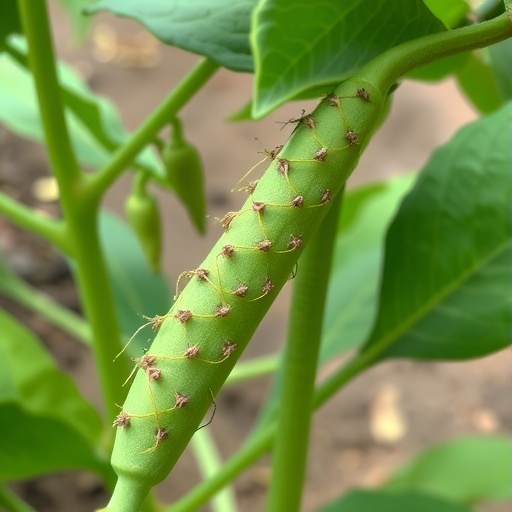
The world of plant pathology is constantly evolving, revealing complex interactions between crops and the pathogens that threaten their survival. One such pathogen, Colletotrichum lindemuthianum, is responsible for bean anthracnose, a disease that not only jeopardizes bean production but also poses a significant risk to food security in various regions, including Kashmir. A recent study conducted by T. Fayaz, A. Nabi, and N. Nabi sheds light on the genetic diversity present in this fungal pathogen by utilizing microsatellite markers. This research is essential for understanding pathogen evolution and improving bean disease management practices.
Microsatellite markers, also known as simple sequence repeats (SSRs), are short, repetitive DNA sequences that are highly polymorphic. Their use in genetic studies is primarily due to their abundance in eukaryotic genomes and their ability to provide insights into genetic diversity, population structure, and evolutionary processes. The study conducted in Kashmir highlights the power of these genetic tools in disentangling the complex genetic makeup of C. lindemuthianum. By analyzing the microsatellite markers, the researchers were able to uncover significant levels of genetic diversity within the pathogen populations, which can influence the pathogen’s adaptability and virulence.
The researchers collected samples of the anthracnose pathogen from various bean-growing regions in Kashmir. This approach ensured a comprehensive analysis reflective of real-world conditions, as the genetic diversity among pathogen populations can vary significantly based on environmental factors. The findings suggest that the pathogen exhibits high diversity, which raises concerns about the efficacy of existing management strategies. The high level of genetic variation could enable the pathogen to rapidly overcome resistance genes present in bean cultivars, leading to potential crop failures and economic losses for farmers.
As agriculture increasingly faces challenges related to climate change and globalization, the identification of genetic diversity within key pathogens is crucial. This study not only contributes to the understanding of C. lindemuthianum but also emphasizes the need for ongoing surveillance and research into the genetic dynamics of plant pathogens. With pathogens continually evolving, it is vital that agricultural practitioners remain vigilant and informed to protect their crops effectively.
The implications of these findings extend beyond Kashmir; they resonate with global agricultural practices. Countries that rely heavily on bean production could experience similar threats from genetically diverse strains of C. lindemuthianum. The study underscores the importance of developing integrated pest management programs that consider the genetic variability of pathogens. By adopting a multifaceted approach that includes breeding for resistance, the rotation of bean varieties, and the use of biocontrol agents, farmers can create a more resilient agricultural ecosystem.
In addition to these management strategies, collaboration among researchers, extension services, and farmers is essential. Sharing information about pathogen behavior and resistance mechanisms can lead to more informed decision-making and better handling of bean crops under threat. Public awareness campaigns about the impact of diseases like anthracnose can also foster a deeper understanding among consumers regarding the importance of supporting sustainable agricultural practices.
Moreover, the comprehensive genetic profiling undertaken in this study has broader implications for future research. By establishing a baseline of genetic diversity for C. lindemuthianum, researchers can monitor changes in the pathogen’s population dynamics over time. This ongoing research is critical for predicting outbreaks and formulating responsive measures to control the spread of the disease.
The findings of this study also pose intriguing questions about the evolutionary pressures driving the genetic diversity within C. lindemuthianum. Understanding these pressures can reveal insights into the mechanisms of pathogen adaptation, which in turn can inform breeding programs aimed at enhancing resistance in bean cultivars. There exists a pressing need for researchers to delve deeper into the environmental and biological factors that contribute to the pathogen’s ability to diversify genetically.
Furthermore, the use of microsatellite markers in this research affirms their utility as a tool not only for diagnosing and monitoring plant diseases but also for understanding the relationships between pathogens and their hosts. Genetic studies such as these are becoming increasingly relevant as the agricultural landscape continues to shift, necessitating adaptable and proactive solutions to combat plant diseases.
In conclusion, the research spearheaded by Fayaz, Nabi, and Nabi provides essential insights into the genetic diversity of Colletotrichum lindemuthianum in Kashmir, with implications that reverberate through global agricultural practices. As the threat of plant diseases looms large, studies like this underscore the importance of genetic research in forming the backbone of strategies aimed at safeguarding food security. The interplay between pathogens and their hosts remains a dynamic field of discovery, with significant potential for advancing our understanding of ecological balance and agricultural sustainability.
This investigation into the genetic variance of a significant plant pathogen is not merely a scientific endeavor but a clarion call for coordinated action in the face of global agricultural challenges. It encourages stakeholders to harness the power of genetics as they strive to build a more resilient future for crops and the communities that depend on them.
Cite Scienmag News
Kristina Jarvis. (January 24, 2026). High Diversity of Microsatellite Markers in Bean Pathogen. Scienmag. https://scienmag.com/high-diversity-of-microsatellite-markers-in-bean-pathogen/
Kristina Jarvis. "High Diversity of Microsatellite Markers in Bean Pathogen." Scienmag, 24 January 2026, https://scienmag.com/high-diversity-of-microsatellite-markers-in-bean-pathogen/. Accessed 8 September 2026.
Kristina Jarvis. "High Diversity of Microsatellite Markers in Bean Pathogen." Scienmag. January 24, 2026. https://scienmag.com/high-diversity-of-microsatellite-markers-in-bean-pathogen/


