


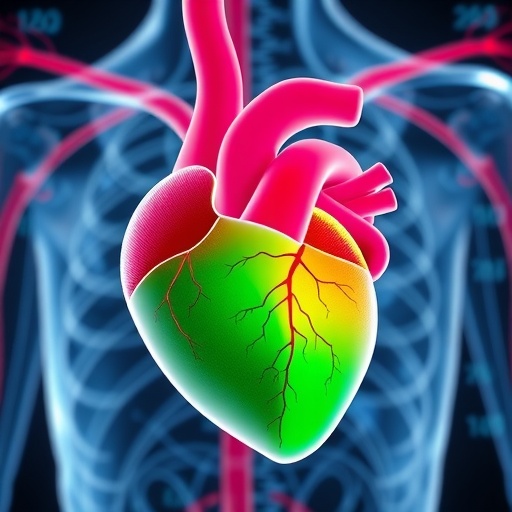
Despite the vast advancements made in the realm of cardiovascular health, a thorny problem persists in the form of residual cardiovascular risk, particularly among patients suffering from coronary artery disease (CAD). It is troubling to note that atherosclerosis—characterized by the buildup of fatty deposits in the coronary arteries—is the foremost cause of death globally. This grim reality highlights the urgency of understanding the incomplete benefits of current treatments aimed at preventing secondary cardiovascular events. Even patients adhering to optimal secondary prevention strategies, alongside rigorous management of conventional risk factors, remain vulnerable to recurrent events. This residual risk poses a clinical challenge that demands a deeper exploration into mechanisms that extend beyond traditional risk factors.
Current standard practices to mitigate recurrent cardiovascular events routinely involve lifestyle modifications, such as dietary adjustments, physical activity, smoking cessation, and weight management. These lifestyle interventions, when utilized in conjunction with medical therapies—which may include platelet inhibitors, antihypertensive agents, and statins aimed at lowering low-density lipoprotein (LDL) cholesterol levels—form the bedrock of prevention strategies. However, it is increasingly evident that these measures do not entirely encapsulate the complex pathophysiological landscape that underlies atherosclerosis and its complications.
While lifestyle changes and common therapeutic approaches are pivotal, they may only partially address the multifaceted nature of cardiovascular pathology. Recent studies indicate that other biological and inflammatory mechanisms could contribute significantly to the residual risk observed in CAD patients. For instance, factors like endothelial dysfunction, oxidative stress, and chronic inflammation appear to play crucial roles in disease progression and plaque instability, yet they remain less targeted in traditional treatment paradigms.
The evolving understanding of these mechanisms invites a broader perspective on how we may better stratify and manage risks associated with CAD. Important contributors to recurrent cardiovascular events include various biomarkers that reflect underlying biological processes. Elevated levels of high-sensitivity C-reactive protein (hs-CRP), for instance, are indicative of inflammation and have been associated with increased cardiovascular risk, revealing pathways that conventional treatment modalities might overlook. Other emerging biomarkers linked to cardiovascular risk include lipoprotein(a) and biomarkers of myocardial necrosis, which could provide essential insights into an individual’s risk profile.
The introduction of novel therapies offers a promising ray of hope for tackling the residual risk that conventional approaches may leave unaddressed. Recent clinical trials are investigating the efficacy of drugs that target previously neglected pathways associated with atherosclerosis and inflammation. For instance, therapies that inhibit interleukin-1β, a pro-inflammatory cytokine, have shown potential in reducing cardiovascular events in high-risk individuals. The engagement of these therapies in standard care could redefine the paradigm of treating coronary artery disease, making for more comprehensive risk management strategies.
In parallel, integrating digital health technologies into clinical practice offers a new frontier for reducing cardiovascular risk. Digital tools can enhance patient engagement through real-time monitoring, providing feedback on lifestyle adherence, and fostering greater accountability. Telemedicine and mobile health applications become indispensable allies in promoting preventive measures and achieving optimum health outcomes. These innovations may also facilitate personalized medicine approaches, allowing clinicians to tailor interventions based on individual risk factors and responses.
Another perspective worth considering pertains to the broader societal and behavioral determinants of health that may be contributing to residual cardiovascular risk. Socioeconomic status, access to healthcare, and social support networks can all shape health behaviors and influence treatment adherence. Addressing these social determinants is a critical element in any comprehensive strategy designed to reduce the burden of cardiovascular disease. Ensuring equitable access to care and resources remains a pressing challenge, necessitating systemic change at multiple levels of society.
Despite these complexities, the interplay between established and novel therapies marks a new chapter in managing residual cardiovascular risk. The need for a coordinated, multidisciplinary approach to patient care is paramount, ensuring that cardiovascular specialists, primary care providers, and allied health professionals collaborate seamlessly to optimize treatment regimens. Moreover, research serves as the backbone of uncovering better therapeutic strategies. The more we explore the intricate webs of biological mechanisms at play, the better we can address the unrelenting challenge posed by coronary artery disease.
As clinical evidence mounts, there is no denying that the impact of residual cardiovascular risk extends beyond the clinical setting. It affects patient quality of life, economic costs of healthcare, and public health outcomes. With this in mind, it becomes essential to prioritize research initiatives that delve into the nuances of cardiovascular pathology and resilience. The endeavor to close the gap left by traditional treatment modalities must encompass a holistic view of health—one that recognizes the unity of biological, behavioral, and environmental dimensions of cardiovascular risk.
The pursuit of knowledge, innovation, and comprehensive strategies remains a shared responsibility among healthcare professionals, researchers, and patients alike. The evolution of cardiovascular therapies represents a significant stride forward, but it is equally vital to acknowledge and address the gaps that persist. As we strive to bring the light of understanding to the ever-complex realm of cardiovascular disease, we move closer to realizing the vision of reduced residual risk and improved outcomes for those affected by coronary artery disease. This challenging yet crucial journey is not simply about treating existing conditions but rather about fostering a future where cardiovascular health is attainable for all.
As we stand at this important juncture in cardiovascular research and therapy, renewed collaboration, vigorous inquiry, and innovative thinking will be the driving forces behind transformative change. In the relentless battle against atherosclerosis and its consequential risks, a multi-faceted approach that encompasses prevention, personalized care, and a deeper appreciation of underlying mechanisms will be key to pushing boundaries and redefining standards of care in coronary artery disease management.
Through these collective efforts, we hold the potential to significantly mitigate residual cardiovascular risk and usher in a new era of hope for individuals grappling with the ongoing challenges posed by coronary artery disease.
Galli, M., Abbate, A., Bonaca, M.P. et al. Residual cardiovascular risk in coronary artery disease: from pathophysiology to established and novel therapies.
Nat Rev Cardiol (2026). https://doi.org/10.1038/s41569-026-01249-z
Cite Scienmag News
Ophelia Keating. (January 23, 2026). Residual Cardiovascular Risk in Coronary Artery Disease. Scienmag. https://scienmag.com/residual-cardiovascular-risk-in-coronary-artery-disease/
Ophelia Keating. "Residual Cardiovascular Risk in Coronary Artery Disease." Scienmag, 23 January 2026, https://scienmag.com/residual-cardiovascular-risk-in-coronary-artery-disease/. Accessed 4 September 2026.
Ophelia Keating. "Residual Cardiovascular Risk in Coronary Artery Disease." Scienmag. January 23, 2026. https://scienmag.com/residual-cardiovascular-risk-in-coronary-artery-disease/


