


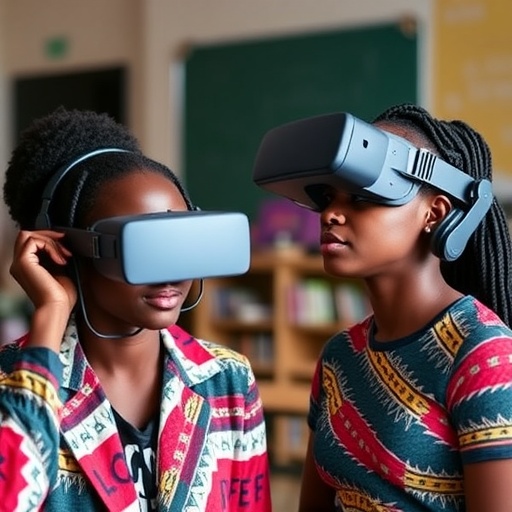
In a groundbreaking study that aims to explore the integration of extended reality (XR) and virtual reality (VR) technologies in education, researchers Ngiruwonsanga and Habimana delve into the acceptance of these innovative teaching tools among postgraduate students in Rwanda. This research is particularly significant in a global climate increasingly characterized by rapid technological advancements and a sweeping shift toward digital learning environments. Through a mixed-methods approach, the researchers investigate the nuanced ways in which these immersive technologies can enhance educational experiences for future teachers, thereby providing insights that could shape educational practices not only in Rwanda but also across comparable contexts around the world.
The transformative potential of XR and VR in educational settings has been widely discussed in recent years, yet adoption rates in many regions remain strikingly low. One of the key challenges in this domain is understanding the factors that influence acceptance of such technologies. The authors’ choice to focus on postgraduate students in a master’s course in teacher education presents a unique opportunity to examine not just the willingness to adopt XR/VR, but also the underlying perceptions, attitudes, and experiences that drive this acceptance. By targeting this specific demographic, the research aims to reveal critical insights into the future of teaching methodologies in the digital age.
In conducting their study, Ngiruwonsanga and Habimana employed a mixed-methods approach, combining quantitative surveys with qualitative interviews. This methodological framework allows for a comprehensive exploration of the subject matter, offering both statistical data and personal narratives that shed light on students’ experiences with XR/VR technologies. The researchers distributed surveys to a diverse group of postgraduate students, gathering data on their familiarity, comfort level, and perceived effectiveness of XR/VR in facilitating learning. This quantitative data serves as a crucial foundation for understanding broader trends in adoption.
Complementing the survey data, the qualitative component of the research involved in-depth interviews with selected participants. These interviews provided a deeper understanding of the students’ experiences and perceptions regarding XR/VR technologies. Students expressed a range of sentiments, from fascination and excitement about the potential of immersive educational experiences to apprehension about the complexities of implementation. Such insights underscore the importance of exploring individual narratives in addition to broader statistical trends, as they reveal the multifaceted nature of technology acceptance in educational contexts.
The findings from this research are poised to make a significant contribution to the discourse around XR/VR in education. One of the revealing outcomes is the identification of key factors that influence students’ acceptance of these technologies. For instance, familiarity with digital tools emerged as a critical determinant; students with prior experience in similar technological environments were more likely to embrace XR/VR as effective educational resources. Additionally, the perceived relevance of these technologies to their future teaching practices played a substantial role in shaping their attitudes. This connection underscores the need for educational institutions to not only provide access to innovative tools but also to adequately prepare students to harness the full potential of these technologies.
As the study progresses, it becomes increasingly clear that the role of educators is crucial in shaping students’ experiences with XR/VR. Faculty members who are enthusiastic about integrating these tools into their teaching methodologies can foster a supportive learning environment, encouraging students to explore and experiment with new technologies. Conversely, a lack of educator support or insufficient training could deter students from fully engaging with XR/VR, highlighting the importance of comprehensive professional development programs for educators. The realization of XR/VR’s potential in education does not solely rest on technological access; it also necessitates a cultural shift within educational institutions, where innovation is embraced and nurtured.
Interestingly, the research also explores the perceptions surrounding the effectiveness of XR/VR as teaching tools. Many students articulated a belief that immersive experiences could enhance engagement, retention, and understanding of complex subjects. These findings resonate with existing literature that suggests a positive correlation between immersive learning environments and educational outcomes. Amidst challenges, such as varying access to technology and differing levels of digital literacy, the overarching sentiment is one of optimism regarding the possibilities that XR/VR can bring to teacher education.
Moreover, the global context of this research cannot be overlooked. With educational systems worldwide facing unprecedented disruptions due to the COVID-19 pandemic, the urgency for innovative teaching solutions has grown. The acceptance of XR/VR technologies by future educators in Rwanda can serve as a model for similar initiatives in other developing regions, fostering a sense of collaboration and shared learning experiences. Consequently, as more educational institutions recognize the potential of XR/VR, a collective movement towards technological integration in teaching and learning may emerge, creating ripple effects that extend beyond local contexts.
As Ngiruwonsanga and Habimana continue their work, it is essential to monitor the evolving landscape of XR/VR in education. The integration of such technologies promises not only to enhance pedagogical practices but also to prepare a generation of educators equipped to navigate an increasingly digital world. The research not only offers an academic contribution; it also serves as a call to action for policymakers, educators, and institutions to invest in the necessary infrastructure and training to realize this vision.
In conclusion, the acceptance of XR/VR by postgraduate students in teacher education represents a crucial step toward the future of educational innovation in Rwanda and beyond. As the landscape of education continues to evolve, the insights garnered from this research will surely inform discussions about best practices, potential barriers, and success stories related to the integration of these technologies. With a steadfast commitment to understanding and addressing the challenges associated with technology adoption, we can expect to see significant advancements in educational methodologies that prioritize immersive, interactive learning experiences for all students.
As this study unfolds, it highlights the essential collaboration among students, educators, and technology developers, paving the way for a transformative educational experience that embraces the diverse needs of learners. By fully leveraging the capabilities of XR/VR, we can envision a future where education becomes more engaging, accessible, and impactful in fostering a deeper, more meaningful learning experience.
Ngiruwonsanga, A., Habimana, O. Postgraduate students acceptance of XR/VR in teacher education using mixed methods in a master’s course in Rwanda.
Discov Educ (2026). https://doi.org/10.1007/s44217-026-01136-2
Cite Scienmag News
Courtney Benton. (January 20, 2026). Rwandan Master’s Students Embrace XR/VR in Teacher Education. Scienmag. https://scienmag.com/rwandan-masters-students-embrace-xr-vr-in-teacher-education/
Courtney Benton. "Rwandan Master’s Students Embrace XR/VR in Teacher Education." Scienmag, 20 January 2026, https://scienmag.com/rwandan-masters-students-embrace-xr-vr-in-teacher-education/. Accessed 4 September 2026.
Courtney Benton. "Rwandan Master’s Students Embrace XR/VR in Teacher Education." Scienmag. January 20, 2026. https://scienmag.com/rwandan-masters-students-embrace-xr-vr-in-teacher-education/


