


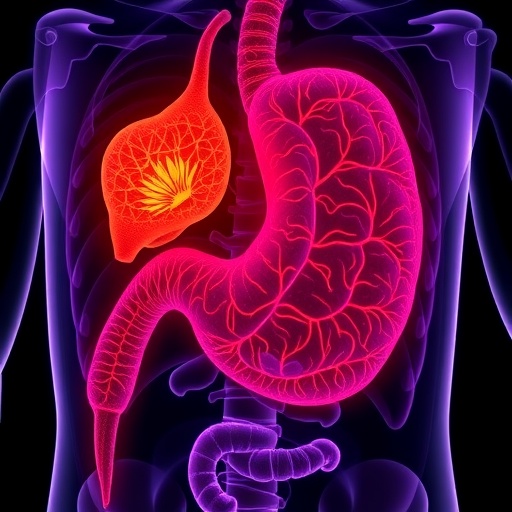
Recent advancements in cancer research have led to crucial insights into the mechanisms that govern tumor biology, one of which has been highlighted in a retraction note concerning the role of CDK5RAP3 in human gastric cancer. The study, originally published in the British Journal of Cancer, illuminated the multifaceted interactions between signaling pathways and tumor suppressor genes, but its retraction underscores the complex nature of scientific inquiry and the critical importance of reproducibility and verification in research.
CDK5RAP3, a cyclin-dependent kinase 5 regulatory subunit associated protein, has gained recognition as a potential tumor suppressor. Initially, research suggested that it plays a significant role in negatively regulating cell self-renewal and invasion processes in gastric cancer. This was primarily achieved through its regulatory interactions with the ERK1/2 signaling pathway, which is known to influence cell proliferation and survival under various physiological conditions. However, the integrity of the data supporting these claims has come under scrutiny.
The relevance of CDK5RAP3 in cancer biology cannot be understated, as its role could provide novel therapeutic targets. Its involvement raises pertinent questions about how signaling pathways can both promote and inhibit cancer progression. The original findings posited that CDK5RAP3 acts to curb the aggressive characteristics of cancer cells, specifically in regards to their invasive potential—a critical factor in metastasis. The notion that enhancing CDK5RAP3 functions could serve as a strategic move to control gastric cancer proliferation is particularly intriguing for researchers and oncologists alike.
Despite the provocative implications of the research, the retraction signals a growing trend within the scientific community where preliminary findings need rigorous validation before being embraced. This serves as a reminder that scientific discourse is iterative, and even compelling initial results require validation through repeat studies. The dynamics of cellular signaling, especially in oncogenesis, can be inherently complex. Factors such as tumor microenvironments and genetic variability among patients play pivotal roles in defining a cancer’s behavior, making the replication and cross-validation of results essential.
What makes the implications of CDK5RAP3 particularly salient is the burgeoning interest in signaling pathways as therapeutic targets. The ERK1/2 pathway, for instance, is a well-established player in many malignancies. Researchers have worked to dissect its involvement not just in cell survival but also in metabolic regulation and the maintenance of stemness in tumor cells. The twisted interplay between these signaling networks and tumor suppressors can create a formidable challenge in designing effective interventions.
In light of the retraction, it is imperative for future research to utilize more robust methodologies and transparent reporting standards. Meta-analyses and multi-center trials could enhance the reliability of findings related to CDK5RAP3 and similar tumor suppressors. These approaches will also allow for diverse genetic backgrounds to be studied, increasing the likelihood that findings are relevant across populations.
One concern that arises from retractions is the impact on the scientific community’s trust in published literature. While retractions can seem daunting, they ultimately serve as a vital check against misinformation. The process allows for the refinement of scientific understanding and can pave the way for more accurate conclusions down the line. When researchers approach findings with a critical lens, the end result can be a more solidified body of knowledge.
In gastric cancer research, the multifactorial nature of tumorigenesis necessitates that scholars remain vigilant about validating their findings within broader contexts. While the initial hypothesis surrounding CDK5RAP3 may have offered exciting avenues for potential treatments, it is clear that a more thorough investigation into its biological mechanisms is required. Such diligence will benefit not only the field of oncology but also patients relying on effective cancer therapies.
The balance of innovation and verification is thus a key theme when discussing retracted studies. This meticulousness ensures that when new frontiers in tumor biology are explored, they are done so with scientific rigor and adherence to ethical standards. Moving forward, researchers must aim to strengthen their methodologies and embrace collaborative efforts to ensure the reproducibility of potentially groundbreaking discoveries.
Ultimately, the retraction of the study concerning CDK5RAP3 reflects both the promise and challenges that exist in cancer research. While initial findings may open doors to new treatment possibilities, they must also be interpreted with caution. The ongoing efforts to unravel the complexities of tumor biology will undoubtedly benefit from the lessons learned from past research—emphasizing the importance of validation and reproducibility in advancing the field toward effective cancer treatments.
The journey of scientific inquiry is often fraught with setbacks, yet it is precisely in these moments of reflection and correction that true progress can be made. The discourse surrounding CDK5RAP3 serves as a microcosm of broader challenges faced in oncology and biomedical research—where the need for meticulous validation is paramount in translating laboratory discoveries into real-world applications.
In conclusion, the narrative surrounding the retraction of CDK5RAP3’s significance in gastric cancer opens up a dialogue about the responsibilities researchers have in ensuring the reliability of their work. It underscores the importance of a collective effort to uphold the integrity of scientific inquiry, aiming ultimately toward a future where cancer therapies are as robust as the research that informs them.
The scientific community’s pursuit of accuracy and one that continues to push the boundaries of knowledge in oncology is ongoing. As researchers glean insights from both successes and failures, there lies an inherent hope that such processes will ameliorate the way forward in the battle against cancer.
Ultimately, the journey toward understanding how key molecules like CDK5RAP3 interact within cancer pathways is vital, suggesting that while challenges may be abundant, resilience and dedication to rigorous science will lead to better outcomes for patients afflicted by this devastating disease.
Lin, Jx., Yoon, C., Li, P. et al. Retraction Note: CDK5RAP3 as tumour suppressor negatively regulates self-renewal and invasion and is regulated by ERK1/2 signalling in human gastric cancer.
Br J Cancer (2026). https://doi.org/10.1038/s41416-026-03338-9
Cite Scienmag News
Nathaniel Bowman. (January 20, 2026). CDK5RAP3: A Tumor Suppressor in Gastric Cancer. Scienmag. https://scienmag.com/cdk5rap3-a-tumor-suppressor-in-gastric-cancer/
Nathaniel Bowman. "CDK5RAP3: A Tumor Suppressor in Gastric Cancer." Scienmag, 20 January 2026, https://scienmag.com/cdk5rap3-a-tumor-suppressor-in-gastric-cancer/. Accessed 3 September 2026.
Nathaniel Bowman. "CDK5RAP3: A Tumor Suppressor in Gastric Cancer." Scienmag. January 20, 2026. https://scienmag.com/cdk5rap3-a-tumor-suppressor-in-gastric-cancer/


