


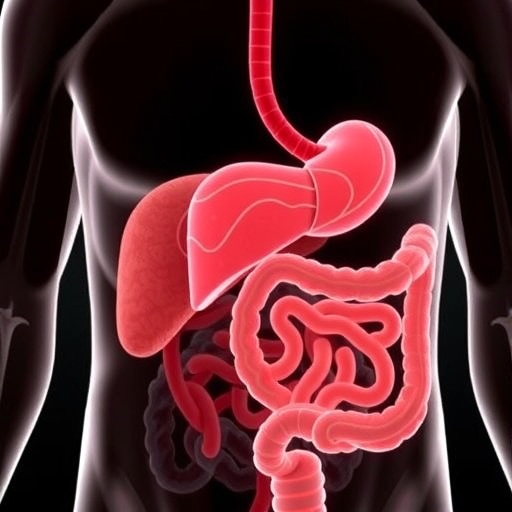
Cholesterol has long been considered a primary actor in cardiovascular health, but recent findings reveal its intricate connection to a host of diseases beyond the heart and blood vessels. The gut and liver, two pivotal organs in whole-body cholesterol metabolism, are front and center in this emerging narrative. The production and secretion of plasma lipoproteins, including chylomicrons, very-low-density lipoprotein (VLDL), and high-density lipoprotein (HDL), highlight the role of the gut and liver as key regulators of cholesterol homeostasis. Their proper functioning is essential for maintaining a delicate balance that influences overall health, suggesting a need to better understand these mechanisms as we explore diseases of the gastrointestinal tract and liver.
Maintaining cholesterol homeostasis is a highly regulated process that ensures cholesterol is synthesized, absorbed, metabolized, transported, and excreted appropriately. In the liver, cholesterol is uniquely converted into bile acids, a vital component of digestion and nutrient absorption. With the liver at the helm of cholesterol metabolism, its perturbation can lead to a slew of metabolic issues, including metabolic dysfunction-associated steatotic liver disease (MASLD), hepatocellular carcinoma, and even colorectal cancer. These relationships underscore a paradigm shift in how we view cholesterol, from a mere cardiovascular player to a broader actor in systemic diseases affecting multiple organ systems.
The relationship between dietary cholesterol and systemic cholesterol levels has come under scrutiny, with mounting evidence illustrating the multifaceted interactions between gut microbiota and cholesterol metabolism. The gut serves not just as a passive conduit for nutrient absorption but as an active participant in modulating cholesterol levels through the actions of specific microbial populations. These microbes influence cholesterol absorption and its subsequent metabolic fate, acting as a biological frontier in the quest for understanding cholesterol-related pathologies. This complex interplay suggests that therapeutic targets could lie within gut microbiome modulation as a means to restore balance to cholesterol levels.
Emerging research highlights a network of signaling pathways that contribute to cholesterol homeostasis. Various nuclear receptors, including liver X receptors (LXRs) and farnesoid X receptors (FXRs), play crucial roles in sensing cholesterol levels and orchestrating adaptive responses to maintain balance. These receptors regulate genes involved in cholesterol transport, synthesis, and catabolism. For instance, activation of LXRs promotes the expression of genes responsible for cholesterol efflux and inhibits cholesterol biosynthesis, thereby serving a protective role against cholesterol overload. Similarly, FXRs mediate bile acid synthesis and facilitate their enterohepatic circulation, showcasing a sophisticated framework through which the body ensures optimal cholesterol balance.
Factors such as inflammation and oxidative stress are known to challenge cholesterol homeostasis, pushing the body into a state of dysfunction. Various liver and gut diseases are now understood through the lens of disrupted cholesterol metabolism, often linked with chronic inflammatory states. For example, steatosis—the accumulation of fat in the liver—has been associated with the dysregulation of cholesterol handling, leading to worsening liver function and potential progression to more severe pathologies like fibrosis and cirrhosis. This line of reasoning aligns with the growing acknowledgment that inflammation may serve as a common denominator across multiple disease states related to cholesterol dysregulation.
Additionally, the relationship between cholesterol and cancer is gaining traction, as researchers examine how hypercholesterolemia might promote tumorigenesis, particularly in the gastrointestinal tract. Cholesterol-rich microenvironments could influence cell signaling pathways in ways that enhance cancer cell survival, proliferation, and metastasis. Recent studies have shown notable connections between elevated cholesterol levels and the incidence of colorectal cancer, spurring interest in cholesterol-lowering interventions as a potential preventive strategy. Such insights fuel a growing body of evidence that situates cholesterol not merely as a risk factor but as an active participant in cancer biology.
The implications of these findings extend into the realm of therapeutic interventions. As the molecular machinery governing cholesterol homeostasis is elucidated, new avenues for treatment arise. Small molecules designed to modulate cholesterol biosynthesis and absorption are currently under investigation, offering promise in combating not only hypercholesterolemia but also the associated metabolic diseases of the liver and gut. Additionally, repurposing existing medications, like statins, to exploit their effects on cholesterol regulation in non-cardiovascular contexts is a compelling area of research.
Furthermore, lifestyle interventions aimed at improving dietary habits also play a pivotal role in reestablishing cholesterol balance. Diets rich in fiber, omega-3 fatty acids, and polyunsaturated fats have been shown to alter lipid profiles favorably while supporting gut health through the nourishment of beneficial microbiota. Such interventions underscore the concept of dietary cholesterol not being the enemy it was once thought to be, but rather part of a complex interaction involving numerous metabolic pathways and environmental factors.
The understanding of cholesterol metabolism is evolving, reflecting intricate relationships and signaling cascades that were previously overlooked. Recognition of the roles of various organs, particularly the gut and liver, invites a more holistic approach to disease management. This understanding emphasizes that interventions should not only target cholesterol levels but also consider the broader implications of gut and liver health on systemic disease processes.
As we forge ahead, the exploration of cholesterol’s role in health and disease will continue to be a focal point. Strategies aimed at restoring cholesterol homeostasis could hold the key to preventing and treating liver and gut-related diseases, potentially saving countless lives. The need for comprehensive strategies to tackle the multifaceted nature of cholesterol metabolism is more critical than ever. Researchers and clinicians alike must remain vigilant in exploring innovative therapeutic avenues that can address these burgeoning challenges while fostering public awareness of the complexities surrounding cholesterol.
In summary, while traditional views of cholesterol have largely framed it as a cardiovascular risk factor, a fuller picture reveals its extensive involvement in the health of the liver and gut. Ongoing research will undoubtedly shed more light on how a holistic approach to cholesterol management could lead to groundbreaking advancements in both prevention and therapeutic strategies for liver and gastrointestinal diseases. It is a reminder that to truly understand health and disease, we must account for the interconnectedness of various biological systems, with cholesterol serving as a crucial link in this dynamic chain.
Cite Scienmag News
Nathaniel Bowman. (January 18, 2026). Liver and Gut: Key Players in Cholesterol Balance. Scienmag. https://scienmag.com/liver-and-gut-key-players-in-cholesterol-balance/
Nathaniel Bowman. "Liver and Gut: Key Players in Cholesterol Balance." Scienmag, 18 January 2026, https://scienmag.com/liver-and-gut-key-players-in-cholesterol-balance/. Accessed 4 September 2026.
Nathaniel Bowman. "Liver and Gut: Key Players in Cholesterol Balance." Scienmag. January 18, 2026. https://scienmag.com/liver-and-gut-key-players-in-cholesterol-balance/


