


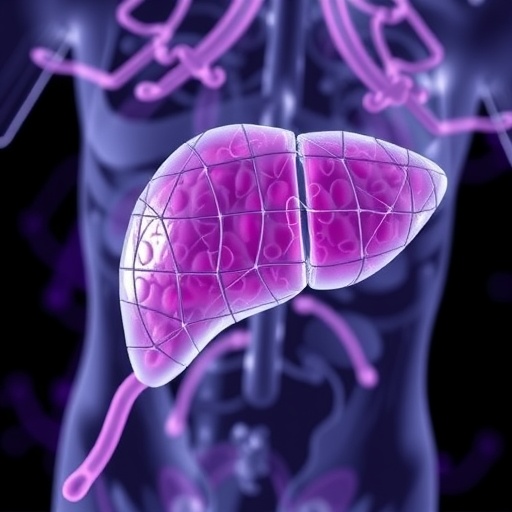
In the ongoing battle against cancer, the need for effective therapeutic strategies that minimize collateral damage to healthy tissues has never been more urgent. A compelling new study by researchers L.M. Sabir and H.O. Dyary sheds light on the potential protective effects of a natural flavonoid, myricetin, against liver damage induced by the chemotherapy drug doxorubicin. This research, published in BMC Pharmacology and Toxicology, explores the complex interplay between oxidative stress, inflammation, and liver health, presenting a novel avenue for enhancing cancer treatment while safeguarding vital organs.
Doxorubicin, a cornerstone of cancer chemotherapy, is known for its efficacy in targeting a wide range of tumors. However, its use is significantly hampered by its hepatotoxicity, which manifests as liver injury, ranging from mild enzyme elevation to severe hepatic damage. This study aims to explore how myricetin could serve as a protective agent, potentially reducing the risk of doxorubicin-induced liver toxicity through the modulation of oxidative stress and inflammatory pathways.
The liver plays a crucial role in drug metabolism and detoxification, rendering it particularly vulnerable to the side effects of chemotherapeutic agents like doxorubicin. The researchers started their investigation by establishing an experimental framework to assess the hepatoprotective properties of myricetin. By treating animal models with doxorubicin and administering myricetin simultaneously, they set the stage for a rigorous evaluation of liver functions and structural integrity following exposure to the chemotherapeutic agent.
Myricetin, a flavonoid commonly found in various fruits, vegetables, and herbs, has garnered attention for its potential health benefits, particularly its antioxidant and anti-inflammatory properties. The researchers hypothesized that these characteristics could mitigate oxidative damage and inflammation triggered by doxorubicin, thereby preserving liver function and architecture. Their results indicated that myricetin administration significantly lowered markers of oxidative stress, suggesting a direct protective role against the cellular damage typically induced by chemotherapy.
Moreover, the study delved into the inflammatory aspect of liver damage, a critical consideration given that inflammation often exacerbates tissue injury. The researchers measured the levels of pro-inflammatory cytokines and other inflammatory markers in the liver tissues of the test subjects. Remarkably, they found that myricetin not only reduced oxidative stress markers but also effectively suppressed the inflammatory response associated with doxorubicin treatment. This dual action underscores myricetin’s potential as a powerful adjunct therapy in chemotherapy protocols.
The mechanisms through which myricetin exerts its protective effects were explored in depth, contributing valuable insights to the understanding of liver pharmacology. The study identified key signaling pathways through which myricetin mediates its antioxidant effects. For instance, the activation of Nrf2, a transcription factor known to regulate the expression of antioxidant proteins, was notably enhanced in the presence of myricetin. This finding illuminates an intriguing avenue for further research, as targeting the Nrf2 pathway may provide a strategic approach to bolster hepatic defense mechanisms against chemotherapeutic agents.
Additionally, the study’s findings prompted further investigations into the possible synergistic effects of myricetin with other chemotherapeutic agents. This line of inquiry holds promise for the development of combination therapies that maximize anti-cancer efficacy while minimizing hepatotoxic risks. As the quest for precision medicine continues, such insights can guide clinicians in tailoring treatment plans that better accommodate individual patient responses and minimize adverse effects.
In evaluating the clinical implications of these findings, it is crucial for oncologists and researchers to consider how myricetin could be integrated into existing treatment paradigms. The potential for myricetin to act as a hepatoprotective agent offers a glimmer of hope for patients facing the deleterious effects of chemotherapy on liver health. As the study suggests, enhancing the liver’s resilience may not only improve the quality of life for patients undergoing cancer treatment but could also potentially increase the maximum tolerable doses of chemotherapeutics, thus enhancing therapeutic outcomes.
Public response to research such as this often hinges on the relatability of the findings to everyday experiences. As awareness grows regarding the side effects of cancer treatments, the desire among patients and healthcare providers for protective measures intensifies. Studies like those by Sabir and Dyary resonate with a broad audience, opening informed discussions about the integration of natural compounds into the realm of modern medicine.
Furthermore, the widespread availability of myricetin-rich foods presents an exciting opportunity for preventive health measures. Educating patients about dietary sources of myricetin—such as berries, nuts, onions, and tea—could foster a proactive approach to liver health during chemotherapy. The convergence of dietary habits and pharmacotherapy could empower patients to take an active role in their treatment journeys, potentially mitigating some adverse effects associated with conventional therapies.
As this research paves the way for future studies, the authors emphasize the need for clinical trials to further explore the efficacy and safety of myricetin in human populations. Confirmation of these benefits in clinical settings will be critical to establish guidelines for its use alongside standard treatments. Such endeavors could lead to significant advancements in the optimization of cancer care, ensuring that patients receive comprehensive support throughout their treatment experiences.
In summary, the study conducted by Sabir and Dyary offers compelling evidence for the potential of myricetin to mitigate liver damage induced by doxorubicin. By elucidating the mechanisms of oxidative stress and inflammation modulation, this research opens new pathways for exploration in both laboratory and clinical settings. The integration of natural agents such as myricetin into cancer treatment regimens could mark a transformative step toward improved patient outcomes, underlining the importance of a multidisciplinary approach in the fight against cancer.
This groundbreaking research not only contributes to the scientific community’s understanding of chemotherapeutic safety but also emphasizes the vital role of nutrition and natural compounds in enhancing health during disease management. As the conversation around personalized medicine continues to evolve, the implications of these findings may eventually extend beyond the laboratory and into the lives of countless individuals navigating the complexities of cancer treatment.
Sabir, L.M., Dyary, H.O. Myricetin protects against doxorubicin-induced liver damage by modulating oxidative and inflammatory pathways. BMC Pharmacol Toxicol (2026). https://doi.org/10.1186/s40360-026-01088-1
Cite Scienmag News
Nathaniel Bowman. (January 17, 2026). Myricetin Shields Liver from Doxorubicin Toxicity. Scienmag. https://scienmag.com/myricetin-shields-liver-from-doxorubicin-toxicity/
Nathaniel Bowman. "Myricetin Shields Liver from Doxorubicin Toxicity." Scienmag, 17 January 2026, https://scienmag.com/myricetin-shields-liver-from-doxorubicin-toxicity/. Accessed 4 September 2026.
Nathaniel Bowman. "Myricetin Shields Liver from Doxorubicin Toxicity." Scienmag. January 17, 2026. https://scienmag.com/myricetin-shields-liver-from-doxorubicin-toxicity/


