


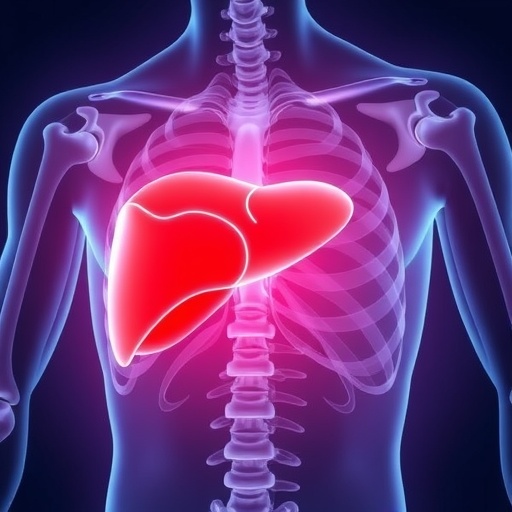
Nonalcoholic fatty liver disease (NAFLD) has emerged as a significant health concern, affecting millions of individuals worldwide, particularly those in midlife. Recent research conducted by Lee and Yang, published in Archives of Osteoporosis, highlights a critical correlation between NAFLD and increased osteoporosis risk among middle-aged adults. As obesity rates rise and unhealthy lifestyles proliferate, understanding the intertwined nature of liver health and skeletal integrity becomes crucial. This investigation sheds light on how chronic liver conditions may reverberate through bodily systems, particularly impacting bone density and health.
The study undertaken by the researchers is groundbreaking in its longitudinal approach spanning over twelve years. Utilizing data gathered from the Korean Genome and Epidemiology Study (KoGES), the research provides compelling evidence that NAFLD may significantly heighten osteoporosis risk. This is particularly alarming as osteoporosis can lead to severe health implications, including fractures and decreased quality of life, especially in older adults. The authors analyzed a vast dataset, allowing for a comprehensive overview of health trends and outcomes linked to both liver health and bone density.
In understanding how NAFLD could be associated with osteoporosis, it is essential to recognize the biological and physiological connections between liver function and bone metabolism. Liver health is intrinsically linked to the synthesis of proteins and the regulation of key factors involved in bone turnover. Those with NAFLD frequently experience alterations in metabolic parameters, including insulin resistance, inflammation, and lipid dysregulation, all of which could negatively affect bone density and strength. This study fundamentally positions NAFLD not just as a benign liver condition but as a systemic disease with far-reaching implications.
Moreover, the ramifications of this research extend to public health policy and preventative measures. As the study emphasizes the importance of early detection and intervention, healthcare systems must adapt accordingly. The awareness surrounding NAFLD should amplify, encouraging screenings and lifestyle modifications among at-risk populations. The implications of integrating liver health screenings into routine osteoporosis risk assessments could potentially transform health outcomes for millions, particularly those in vulnerable age groups.
The findings also emphasize the role of lifestyle factors in both NAFLD and osteoporosis. Diet, physical activity, and body weight are fundamental in managing both conditions. As overweight and obesity are dominant risk factors for NAFLD, addressing these through education and behavioral changes can ultimately improve health outcomes. Furthermore, engaging in regular exercise not only benefits liver health but also stimulates bone density preservation, indicating a multifaceted approach wherein physical health begets further health.
While the research provides robust evidence for the connection between NAFLD and osteoporosis, further studies are warranted to establish causality and explore underlying mechanisms. The complexity of human physiology necessitates an intricate understanding of how liver diseases manifest across different populations and demographics. Future research should aim to delineate whether certain populations are at a higher risk and what specific interventions may effectively mitigate this risk.
Additionally, the implications of the study extend to the pharmaceutical and therapeutic landscape. With the burgeoning field of liver disease treatment, there exists an opportunity to explore whether interventions targeting NAFLD directly could foster improvements in bone health. This duality of treatment could revolutionize clinical practice, positioning liver specialists to take a more holistic approach towards patient care that encompasses not just liver health, but bone health as well.
In conclusion, the work by Lee and Yang propels NAFLD into the spotlight as a significant player in osteoporosis risk, challenging previously held notions about the exclusivity of these diseases. The research ignites a need for awareness and proactive measures at multiple levels—individual, clinical, and public health. As awareness grows surrounding the interconnectedness of different health conditions, the advancement towards a more comprehensive approach to healthcare seems not only necessary but also inevitable. In a world where chronic diseases coexist, understanding their intertwining pathways could be the key to fostering long-term health sustainability.
The urgency of addressing both NAFLD and osteoporosis is profound, given that millions of individuals are silently affected by these conditions. With an aging global population, the implications of this research hold significant potential for influencing the trajectory of public health strategies. Educating clinicians on the multifactorial nature of these diseases could support early diagnosis and tailored treatment plans. Such initiatives could dramatically improve patient outcomes, reduce healthcare costs, and enhance overall quality of life for countless individuals.
As the final thoughts align with the transformative potential of the research, it encourages a deeper investigation into similar health interrelations. The more we understand how seemingly disparate health conditions influence each other, the better equipped we are to forge effective prevention and treatment strategies. The research by Lee and Yang is not just an academic inquiry; it serves as a clarion call for a paradigm shift in how we view, understand, and treat chronic health conditions in modern medicine.
This study undoubtedly lays the groundwork for further exploration, fostering a collaborative approach among different medical fields. With the continued vigilance in research, the hope exists that new strategies will emerge, ultimately improving health trajectories for those affected by both NAFLD and osteoporosis. As we stand on the brink of this new understanding, the journey towards comprehensive healthcare for liver and bone health begins.
It is, therefore, imperative that we continue to innovate and collaborate across disciplines, embracing the complexity of human health rather than segmenting it into isolated conditions. Understanding the overarching narrative that connects different health outcomes will illuminate pathways to better health for future generations. It’s a hopeful reminder that tackling chronic diseases requires a unified approach, guided by the latest scientific evidence and a commitment to public health excellence.
Cite Scienmag News
Daisy Hatcher. (January 16, 2026). Fatty Liver Linked to Higher Osteoporosis Risk. Scienmag. https://scienmag.com/fatty-liver-linked-to-higher-osteoporosis-risk/
Daisy Hatcher. "Fatty Liver Linked to Higher Osteoporosis Risk." Scienmag, 16 January 2026, https://scienmag.com/fatty-liver-linked-to-higher-osteoporosis-risk/. Accessed 5 September 2026.
Daisy Hatcher. "Fatty Liver Linked to Higher Osteoporosis Risk." Scienmag. January 16, 2026. https://scienmag.com/fatty-liver-linked-to-higher-osteoporosis-risk/


