


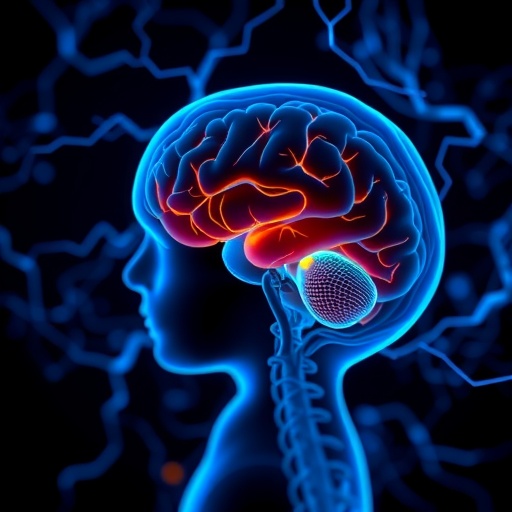
In the intricate and delicate landscape of neonatal care, the quest for neuroprotective strategies in preterm infants remains a paramount challenge. Recent research is shedding illuminating new light on caffeine, a substance long recognized for its stimulant properties, now emerging as a powerful neuroprotectant in this vulnerable population. The work conducted by MacNamara, Colditz, and Wixey, published in Pediatric Research on January 15, 2026, unpacks the putative mechanisms by which caffeine exerts its protective effects on the preterm brain, signaling a potential paradigm shift in neonatal therapeutics.
Premature infants, born before the full maturation of critical neurological structures, are especially susceptible to brain injury caused by a confluence of factors, including hypoxia, inflammation, and oxidative stress. These conditions contribute substantially to long-term neurodevelopmental disabilities, a dire consequence that fuels ongoing investigations into pharmacologic interventions that can mitigate such risks. Caffeine, widely used to treat apnea of prematurity, has drawn attention due to observational data suggesting it may also confer neuroprotection, a hypothesis rigorously examined in this comprehensive study.
At the molecular level, caffeine’s role as an adenosine receptor antagonist appears central to its neuroprotective potential. Adenosine receptors, particularly A1 and A2A subtypes, modulate neuroinflammation and neuronal survival. The blockade of these receptors by caffeine interrupts pathological signaling cascades triggered during neonatal brain injury. This interruption helps to dampen excitotoxicity — a process where excessive neurotransmitter release leads to neuronal death — which is a prominent driver of cerebral damage in preterm infants, highlighting a sophisticated pharmacodynamic interaction.
Beyond adenosine receptor antagonism, the study underscores caffeine’s antioxidant properties in neutralizing reactive oxygen species (ROS), which are abundantly produced in the context of cerebral hypoxia and ischemia. These ROS contribute to lipid peroxidation and DNA damage, exacerbating neuronal injury. Caffeine’s ability to reduce oxidative stress confers an additional shield to developing brain cells, preserving their structural integrity and function during episodes of metabolic challenge—an essential factor given the heightened vulnerability of immature neural tissues.
The neuroinflammatory milieu common in the preterm brain is a critical target for neuroprotection. Caffeine’s influence extends to the modulation of microglial activation—the brain’s resident immune cells—as well as a reduction in pro-inflammatory cytokine expression. By tempering this immune response, caffeine lessens secondary injury that would otherwise propagate cell damage and impede repair processes. The intersection of neuroinflammation and oxidative damage exists as a nexus where caffeine’s multifaceted actions confer broad-spectrum neuroprotection.
Notably, the research delves into the impact of caffeine on cerebral blood flow regulation. Adequate perfusion is pivotal to ensuring delivery of oxygen and nutrients; thus, the maintenance of vascular homeostasis is paramount. Through modulation of vascular tone, caffeine helps prevent ischemic episodes and supports optimal neuronal metabolism. This vascular component of caffeine’s activity further bolsters its protective profile, positioning it as a therapeutic agent with multimodal efficacy in neonatal brain health.
Clinically, the therapeutic window during which caffeine is administered is shown to be vital. Early intervention appears to maximize neuroprotective outcomes, aligning with the concept that timing is crucial when counteracting the cascade of injury mechanisms instigated by premature birth. The dosage and duration of caffeine treatment are also nuanced parameters; the study provides insights suggesting that precise titration tailored to individual patient needs can enhance benefits while minimizing any potential adverse effects.
The body of evidence compiled by MacNamara et al. further strengthens the argument that caffeine’s neuroprotective effects transcend its respiratory stimulant role. The integration of preclinical data with clinical observations offers a compelling narrative on how caffeine modulates intracellular signaling pathways, promotes neuronal survival, and supports neurodevelopment. This integrated approach provides invaluable knowledge to clinicians and researchers striving for novel neuroprotective strategies in neonatology.
In addition to its direct neurobiological effects, caffeine’s role in enhancing synaptic plasticity and neural circuit formation is a particularly intriguing dimension highlighted in the study. By fostering an environment conducive to neural connectivity, caffeine may contribute to improved neurodevelopmental outcomes, offering hope for long-term cognitive and motor function improvements in survivors of prematurity.
The safety profile of caffeine remains an important concern. The research articulates that, when administered within carefully established dosage ranges, caffeine is well tolerated by preterm infants, with minimal adverse effects documented. This favorable risk-benefit ratio underscores caffeine’s suitability for broader application in neonatal intensive care settings, warranting its consideration as part of standard neuroprotective protocols.
The implications of this study extend beyond infant care into broader neuroscientific realms. Understanding caffeine’s multifactorial mechanisms provides a template for developing future therapeutics targeting neurological injury and degeneration. The potential for adapting similar pharmacologic principles to other vulnerable populations represents an exciting frontier for research inspired by these findings.
Contextualizing the significance of this work within the landscape of neonatal medicine, the data resonate deeply with ongoing efforts to reduce the incidence of cerebral palsy, cognitive delays, and other sequelae associated with prematurity. The prospect of a widely accessible, cost-effective neuroprotective agent such as caffeine offers transformative possibilities for global health, especially in resource-limited settings where advanced neonatal care remains challenging.
As researchers continue to explore the cellular and molecular underpinnings of caffeine’s neuroprotection, this study serves as a beacon guiding evidence-based clinical practice. Future trials building upon these mechanistic insights will be critical in delineating optimal therapy protocols and further validating the neurodevelopmental benefits of early caffeine administration.
In summary, the work by MacNamara and colleagues represents a significant leap forward in understanding how a familiar and widely utilized drug can be repurposed to meet the critical neuroprotective needs of preterm infants. By elucidating caffeine’s complex mechanisms—spanning receptor antagonism, antioxidation, inflammation modulation, and vascular support—this research lays a robust foundation for improved neonatal outcomes and enhanced quality of life for the most fragile patients.
Cite Scienmag News
Harold Sullivan. (January 15, 2026). Caffeine’s Neuroprotective Role in Preterm Infants. Scienmag. https://scienmag.com/caffeines-neuroprotective-role-in-preterm-infants/
Harold Sullivan. "Caffeine’s Neuroprotective Role in Preterm Infants." Scienmag, 15 January 2026, https://scienmag.com/caffeines-neuroprotective-role-in-preterm-infants/. Accessed 3 September 2026.
Harold Sullivan. "Caffeine’s Neuroprotective Role in Preterm Infants." Scienmag. January 15, 2026. https://scienmag.com/caffeines-neuroprotective-role-in-preterm-infants/


