


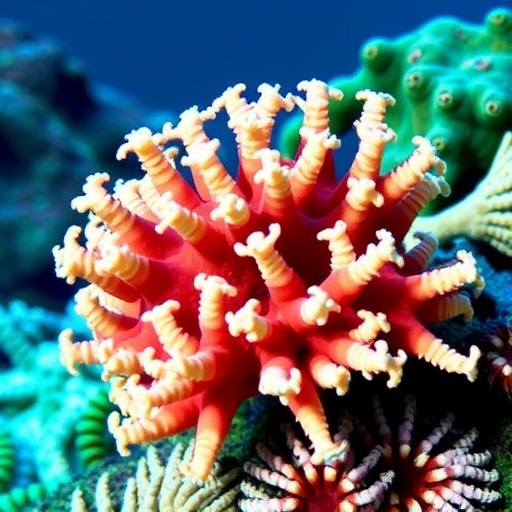
In the vibrant yet precarious ecosystems of Eastern Australia, a groundbreaking study has unveiled critical insights into the genetic structure of two distinct populations of the coral species Acropora aculeus. This research provides not only a glimpse into the fascinating biological complexities of coral reefs but also underscores the increasing urgency for conservation efforts in these rich marine environments. The mesophotic and shallow populations of Acropora aculeus, which are integral to the biodiversity of coral reef ecosystems, are facing unprecedented threats due to climate change, pollution, and habitat degradation.
The research was conducted by a team of experts led by Hernández-Agreda, along with prominent figures such as Hoey and van Hulten. By employing a variety of genetic analysis techniques, the study meticulously examined the genetic diversity within the populations of Acropora aculeus, revealing distinct differences that could have significant implications for conservation strategies. The team collected samples from various sites, ensuring adequate representation of both mesophotic and shallow populations to provide a comprehensive overview of their genetic landscape.
One of the study’s key findings was the enhanced genetic diversity observed in shallow populations of Acropora aculeus compared to their mesophotic counterparts. This revelation is crucial, as genetic diversity is a key indicator of a species’ ability to adapt to changing environmental conditions. The researchers postulate that the differences in genetic structure may be attributed to various environmental factors, including differences in light availability, water temperature, and nutrient levels. These findings could play a pivotal role in guiding efforts towards the conservation and management of coral reef ecosystems.
As reefs continue to suffer from bleaching events and other stressors linked to climate change, understanding the genetic makeup of coral populations is more critical than ever. Corals are not just passive entities; they actively adapt to their environments, and their genetic makeup is crucial to their survival. With the unique genetic signatures identified in the shallow populations, there lies potential for targeted conservation strategies that can bolster the resilience of these crucial ecosystems.
In addition, the study dives deeper into the implications of reduced genetic diversity in the mesophotic populations of Acropora aculeus. These areas, often overlooked in conservation initiatives, could represent a vital refuge for certain coral species under climate change pressures. However, their limited genetic variability could hinder their adaptability, leading scientists to advocate for increased research focus on these underexplored depths of the coral reef ecosystem.
The research raised pressing questions about ecosystem connectivity and gene flow between these two populations. Understanding how these populations interact and exchange genetic material is essential for formulating effective conservation strategies. For instance, if the mesophotic populations were to experience a decline, could the shallow populations provide genetic material that might aid in the survival and recovery of affected species? This interconnectedness is critical for maintaining the overall health and resilience of coral reef ecosystems.
Given that coral reefs provide extensive ecosystem services, from shoreline protection to supporting fisheries and tourism industries, the implications of this research extend far beyond academic interest. Local communities and policymakers must digest these findings and consider the importance of protecting both shallow and mesophotic populations to preserve the ecological integrity of the region. These ecosystems not only support marine life but also sustain human livelihoods, and as such, their protection is a matter of both ecological and economic significance.
Furthermore, the challenges to coral survival stem not only from climate-related phenomena but also from anthropogenic pressures. Coastal development, overfishing, and pollution compound the stressors that corals face. This research highlights the need for an integrative approach to marine conservation, one that addresses both the biological and societal dimensions of reef ecosystems. Educating local communities about the genetic significance of these corals can help foster a culture of conservation and responsible marine practices.
As more studies like this one emerge, the call for a collective global response to coral conservation grows louder. With significant funding and resources needed to tackle these issues, coupling research efforts with community engagement and government support is essential. The findings may indeed serve as a rallying cry for scientists and conservationists alike, highlighting that the time to act is now and that policy frameworks must be adaptive and based on solid scientific evidence.
In conclusion, the genetic structure of the Acropora aculeus populations elucidated in this study not only enriches our understanding of coral biology but also emphasizes the dire need for proactive conservation measures. The research underscores the intertwined fates of coral biodiversity and human communities that depend on these ecosystems. It is a call to arms for scientists, policymakers, and citizens alike to prioritize the protection of marine habitats, ensuring that generations to come can witness the stunning beauty and ecological importance of coral reefs.
This pioneering research promises to serve as a cornerstone for future studies aimed at unraveling the complexities of coral genetics and ecology. By fostering a deeper understanding of genetic diversity and its ramifications for coral resiliency, we pave the way for more informed and effective conservation strategies. The resilience of Acropora aculeus—and, by extension, the coral reef ecosystems that support countless forms of marine life—rests on our ability to heed these insights and take decisive action.
Moreover, the implications reach beyond Eastern Australia, as coral ecosystems worldwide face similar challenges. Establishing a broader dialogue about the genetic diversity of coral species globally can provide valuable lessons in conservation and stewardship for marine environments. International collaboration and knowledge-sharing will be key in the global effort to assure that corals continue to thrive, adapt, and provide the myriad benefits they offer to our planet.
The intersection of genetic research and practical conservation efforts offers a pathway forward that prioritizes both scientific inquiry and environmental stewardship. It emphasizes that a thriving future for our oceans and the diverse life forms they support demands immediate attention, responsible actions, and a commitment to protecting the intricate tapestry of life beneath the waves.
Cite Scienmag News
Juliet Wilcox. (January 12, 2026). Genetic Diversity of Eastern Australia’s Acropora aculeus. Scienmag. https://scienmag.com/genetic-diversity-of-eastern-australias-acropora-aculeus/
Juliet Wilcox. "Genetic Diversity of Eastern Australia’s Acropora aculeus." Scienmag, 12 January 2026, https://scienmag.com/genetic-diversity-of-eastern-australias-acropora-aculeus/. Accessed 5 September 2026.
Juliet Wilcox. "Genetic Diversity of Eastern Australia’s Acropora aculeus." Scienmag. January 12, 2026. https://scienmag.com/genetic-diversity-of-eastern-australias-acropora-aculeus/


