


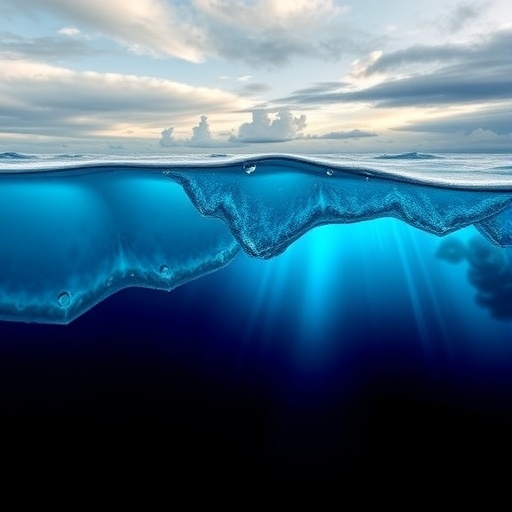
Recent exploratory research has unveiled new insights into the production of molecular hydrogen (H₂) within sediment-hosted hydrothermal systems located at ultraslow spreading mid-ocean ridges. These findings, presented in the study led by Diehl, Anagnostou, and Monien, are poised to significantly enhance our understanding of biogeochemical processes occurring in the deep ocean and their potential implications for both microbial life and global biogeochemical cycles.
Hydrogen, a potential energy source for chemosynthetic organisms, plays a critical role in deep-sea ecosystems, particularly in environments characterized by hydrothermal activity. The ultraslow spreading mid-ocean ridges, such as the Gakkel Ridge in the Arctic and the Southwest Indian Ridge, serve as unique geological formations where tectonic plates diverge at a remarkably slow rate. These regions are not only hotspots for geothermal activity but also intricate systems where microbiological processes occur far below the ocean surface.
The research conducted by Diehl and colleagues emphasizes the significance of these hydrothermal environments in generating H₂ through various geochemical reactions. One of the primary mechanisms identified is the alteration of ultramafic rocks, which are rich in olivine and pyroxene. These geological materials interact with seawater, resulting in the production of hydrogen gas, facilitated by high-temperature conditions typical of hydrothermal vents.
This groundbreaking study provides compelling evidence illustrating the role of sediment in enhancing H₂ production. It was observed that the interaction between sediment and hydrothermal fluids can lead to increased concentrations of H₂, thereby creating a viable energy source for microbial communities that thrive in these extreme conditions. The presence of dense microbial mats at hydrothermal vents suggests that these organisms have evolved unique metabolic pathways that allow them to utilize H₂ effectively.
Moreover, the implications of this research extend beyond the immediate ecosystem. The production of hydrogen in such environments could have wider implications for planetary science. Understanding the processes that govern H₂ generation could help in assessing the habitability of extraterrestrial environments, such as those found on Jupiter’s moon Europa or Saturn’s moon Enceladus, where similar hydrothermal systems may exist under icy crusts.
Another fascinating aspect of this research pertains to the potential applications in sustainable energy production on Earth. Hydrogen, being a clean fuel, can serve as a renewable energy source. The study alludes to the possibility of harnessing biologically produced H₂ from marine environments to aid in the transition to greener energy alternatives. Enabling the extraction of H₂ from these natural processes could benefit global energy systems.
The methodological framework adopted in this investigation included advanced geochemical analysis and in-situ measurements to decipher the intricate interactions among mineral substrates, sediment, and hydrothermal fluids. The researchers employed cutting-edge technology to quantify the rates of H₂ production and assess the environmental parameters influencing these rates.
Additionally, the results of this research could foster collaborations between geologists, microbiologists, and energy scientists. By drawing interdisciplinary connections, future studies can further probe the significance of hydrothermal systems in influencing marine biogeochemistry and energy pathways.
As sediment-hosted hydrothermal systems are often overlooked in marine research, this study fosters a greater appreciation for their complexity and ecological importance. The research underscores the need for continued exploration of these remote and under-studied areas of the ocean. Each finding within these depths contributes to a more comprehensive understanding of both our planet’s and potentially other celestial bodies’ geological and biological narratives.
The researchers also anticipate that ongoing advancements in ocean exploration technologies, such as autonomous underwater vehicles equipped with sophisticated sensors and sampling capabilities, could unlock even more secrets held within these extreme environments. The potential to discover novel microbial species, biogeochemical pathways, and elemental cycles remains vast.
In conclusion, the insights gathered from this landmark study advocate for a more nuanced view of the contributions of ultraslow spreading mid-ocean ridges to Earth’s overall biogeochemical landscape. The discovery of high H₂ production mechanisms not only enriches our understanding of microbial life in the ocean depths but also hints at the potential for sustainable energy solutions inspired by nature’s ingenuity. As the quest for knowledge continues, the ocean remains a frontier brimming with possibility, waiting to unveil its treasures.
This research serves as a critical reminder of the intricate connections between geological processes and biological systems, as well as the importance of preserving and studying the oceans that cover more than 70% of our planet. In the spirit of scientific discovery, fostering awareness and encouraging investments in marine research will pave the way for addressing global challenges today and in the future.
Cite Scienmag News
Violet Maxwell. (January 6, 2026). Elevated H2 Production in Ultraslow Mid-Ocean Ridge. Scienmag. https://scienmag.com/elevated-h2-production-in-ultraslow-mid-ocean-ridge/
Violet Maxwell. "Elevated H2 Production in Ultraslow Mid-Ocean Ridge." Scienmag, 6 January 2026, https://scienmag.com/elevated-h2-production-in-ultraslow-mid-ocean-ridge/. Accessed 1 September 2026.
Violet Maxwell. "Elevated H2 Production in Ultraslow Mid-Ocean Ridge." Scienmag. January 6, 2026. https://scienmag.com/elevated-h2-production-in-ultraslow-mid-ocean-ridge/


