


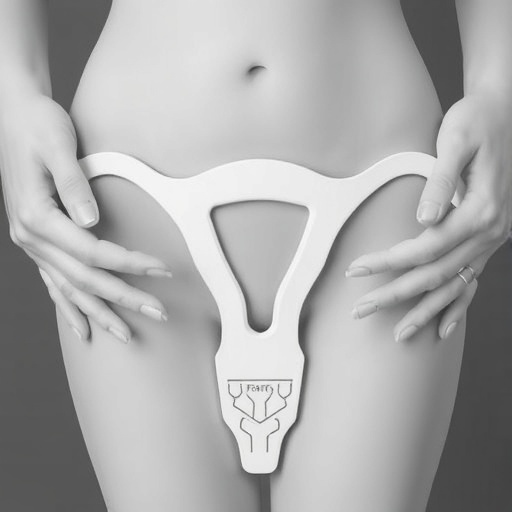
In recent years, the intersection of menstrual health and eating disorders has garnered increasing attention from researchers and healthcare professionals alike. This growing body of evidence suggests that menstrual health is not only a vital aspect of women’s overall wellbeing but is intricately connected to various psychological conditions. A recent article by Sharp (2026) highlights the critical implications of menstrual health on eating disorders, shedding light on a complex relationship that has often been overlooked in mainstream discussions and research. This article serves as a clarion call for a broader understanding of these topics and urges the need for further exploration.
The relevance of menstrual health extends beyond the physiological aspects of menstruation. It is now understood that menstrual irregularities can serve as an important indicator of psychological distress, particularly in young women. This connection poses serious implications for the treatment and prevention of eating disorders, which predominantly affect this demographic. Sharp’s insights emphasize that clinicians should consider menstrual health as a key component in the evaluation and management of eating disorders.
Markedly, the article discusses how various types of eating disorders—such as anorexia nervosa and bulimia nervosa—can lead to significant disruptions in menstrual cycles. For instance, individuals who engage in restrictive eating behaviors may experience amenorrhea, the absence of menstruation, as a direct result of significant weight loss and insufficient caloric intake. An amenorrheic state not only signifies underlying physical health concerns but may also exacerbate psychological issues tied to body image and self-worth.
Moreover, the research indicates that the relationship between eating disorders and menstrual health is bidirectional. Not only can eating disorders cause menstrual irregularities, but hormonal fluctuations during menstrual cycles can also influence mood and eating behaviors. Sharp (2026) emphasizes that understanding this interplay is essential for developing comprehensive treatment protocols that address both the psychological and physiological needs of patients suffering from eating disorders.
In discussing the broader implications of menstrual health, Sharp highlights the importance of education and awareness. There remains a significant stigma surrounding both menstruation and eating disorders, which often leads to silence, shame, and misunderstanding. By fostering an environment where open discussion is encouraged, healthcare providers can better support their patients and work alongside them in a healing journey that encompasses both mental and physical health.
Additionally, the implications of menstrual health extend into the realm of research. Sharp calls for future studies that examine the multifaceted relationships between menstrual health, psychological well-being, and eating disorders. Such research must adopt a holistic approach, integrating various fields such as endocrinology, psychology, and nutrition to provide a comprehensive understanding of these interconnected issues. This interdisciplinary collaboration may yield invaluable insights that can inform treatment approaches and preventative strategies.
The author also underscores the necessity of developing guidelines that specifically address the treatment of eating disorders in relation to menstrual health. This includes recognizing the need for personalized treatment plans that take into account the individual experiences of patients. A one-size-fits-all approach is ineffective in addressing the complexities of patient needs, and healthcare providers must prioritize tailored interventions that align with a patient’s specific circumstances, including their menstrual health status.
It’s crucial to point out that societal expectations and cultural factors often play a significant role in the prevalence and perpetuation of eating disorders. For many women, the societal pressure to maintain a certain body image can lead to disordered eating behaviors, which in turn disrupt menstrual health. Sharp stresses the urgency of addressing these cultural narratives in order to create a healthier societal framework that empowers women rather than constraining them.
The psychological ramifications of eating disorders are profound and can lead to long-standing mental health issues, including anxiety and depression. Sharp’s research highlights the need for mental health support to be integrated into the treatment plans for individuals facing eating disorders. By addressing both the mental and physical aspects of health in these patients, healthcare providers can improve outcomes and enhance the quality of life for many.
Another significant aspect of Sharp’s findings involves the role of endocrinological changes associated with eating disorders. Fluctuations in hormones due to disordered eating can have cascading effects on bodily systems, contributing to further health complications. By recognizing the hormonal underpinnings of these conditions, healthcare professionals can develop targeted interventions that address the root causes of menstrual irregularities and eating disorders.
In conclusion, the dialogue surrounding menstrual health and eating disorders is one that is crucial yet often overlooked. Sharp’s article serves as a vital contribution to this discourse, urging researchers, clinicians, and society as a whole to take notice of the intricate link between these two domains. As our understanding of menstrual health continues to evolve, it becomes paramount that we heed the call for greater research, education, and comprehensive care.
To foster a better understanding of the broader implications of menstrual health in eating disorders, a collective effort is needed from all stakeholders in healthcare. This includes advocating for policy changes that prioritize women’s health issues, enhancing training for healthcare providers, and creating supportive community environments. Only through collaboration and commitment can we hope to break the cycle of stigma and misunderstanding that has historically surrounded these topics.
The success of future initiatives depends on our ability to engage in meaningful conversations and develop effective strategies. By continuing to explore the nuanced relationships between menstrual health and eating disorders, we can pave the way for more effective treatments that ultimately lead to healthier lives for individuals affected by these conditions.
Sharp, G. The broader implications of menstrual health in eating disorders: Matters Arising from Porter (2025).
J Eat Disord 14, 3 (2026). https://doi.org/10.1186/s40337-025-01516-3
Cite Scienmag News
Glenn Wilkins. (January 5, 2026). Menstrual Health’s Impact on Eating Disorders Explored. Scienmag. https://scienmag.com/menstrual-healths-impact-on-eating-disorders-explored/
Glenn Wilkins. "Menstrual Health’s Impact on Eating Disorders Explored." Scienmag, 5 January 2026, https://scienmag.com/menstrual-healths-impact-on-eating-disorders-explored/. Accessed 31 August 2026.
Glenn Wilkins. "Menstrual Health’s Impact on Eating Disorders Explored." Scienmag. January 5, 2026. https://scienmag.com/menstrual-healths-impact-on-eating-disorders-explored/


