


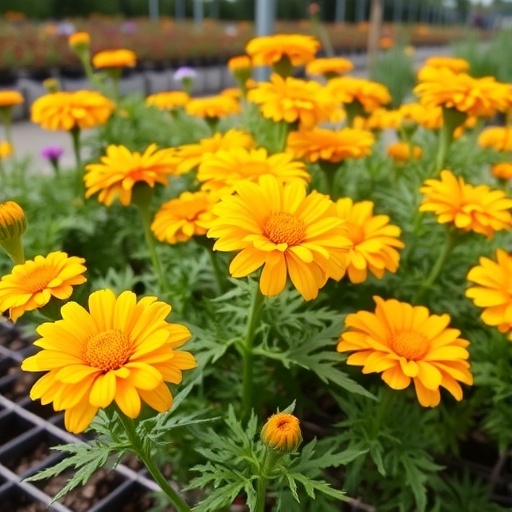
In a groundbreaking study published in the renowned Science Reports, researchers unveiled the critical role of silica nanoparticles in mitigating the distress caused by chromium heavy metal stress in Mexican marigold (Tagetes erecta L.). This innovative research offers insights into both the potential of silica nanoparticles as a novel agricultural strategy and addresses the looming threats of heavy metal pollution in our environment. The problem of heavy metal contamination has been a persistent challenge for agricultural productivity, particularly in regions with industrial activities or mining operations. The study explores how chromium, a widespread pollutant, adversely affects plant health, leading to reduced crop yields and compromised quality.
The research team, led by H.Z. Raza, with key contributions from A.A. Shah and S. Usman, meticulously designed their experiments to investigate the effects of silica nanoparticles on the physiological and biochemical responses of Mexican marigold to chromium stress. Their findings present a remarkable synergy between nanoparticles and plant responses, revealing a pathway that might allow plants to withstand otherwise detrimental conditions. In recent years, the use of nanotechnology in agriculture has been recognized for its potential to revolutionize farming practices, particularly by enhancing soil health and plant resilience to environmental stressors.
The study meticulously detailed the methodology employed by the researchers, which involved treating Mexican marigold plants with varying concentrations of silica nanoparticles in conjunction with chromium exposure. The contrasting responses of the treated plants demonstrated a significant improvement in growth parameters compared to those that were not treated. Such results provide an encouraging perspective on the use of nanomaterials in enhancing plant health amid environmental pollutants. In addition to physical burden, chromium stress leads to oxidative stress in plants, ultimately impacting metabolic activities. The nanoparticles were shown to bolster antioxidant defense mechanisms, thus mitigating cellular damage caused by reactive oxygen species.
To bolster their findings, the researchers conducted a series of assays to assess how silica nanoparticles influenced key physiological traits. Measurements included chlorophyll content, photosynthetic efficiency, and biomass accumulation. The outcomes were astounding; silica nanoparticle application led to enhanced chlorophyll synthesis, allowing the plants to maintain photosynthetic activity even under chromium stress. This key observation suggests that silica may play a vital role in promoting plant health under adverse conditions.
The biochemical analyses further revealed that the presence of silica nanoparticles not only improved antioxidant enzyme activities but also enhanced mineral uptake. This is particularly relevant in regions where chromium contends with vital nutrients for plant uptake. The ability of silica nanoparticles to promote nutrient absorption suggests that their application may have far-reaching implications beyond just mitigating heavy metal stress, potentially improving overall soil health. Furthermore, the manipulation of plant nutrient profiles through nanotechnology brings to light an exciting avenue for future agricultural practices.
The integration of silica nanoparticles into traditional agricultural systems raises questions about the long-term effects and sustainability of such innovations. To address potential concerns, Raza and colleagues stressed the importance of conducting extensive field trials. They envision that future research will enable a deeper understanding of how these nanoparticles interact with various soil types, climates, and crop species. This future research could provide insights into optimal application rates and techniques, ensuring that agricultural practices remain both effective and environmentally friendly.
Moreover, the successful application of silica nanoparticles may pave the way for a broader examination into other nanomaterials that could serve similar purposes in agriculture. With rising awareness about food security and sustainable farming, the implications of this study extend well beyond the immediate focus on Mexican marigold. It raises a pivotal question about how innovative technologies can be harnessed to combat the pervasive effects of environmental pollution in agriculture worldwide.
As the implications of these findings take hold in the scientific community, regulatory considerations around the use of nanomaterials will come to the forefront. Policymakers will need to balance the potential benefits of nanotechnology with environmental health concerns, ensuring that agricultural advancements are pursued responsibly. The research team advocates for transparent communication about the use of nanotechnology in agriculture, emphasizing the need for informed consumer choices while navigating the future of food production.
In summary, Raza, Shah, and Usman’s exploration into the role of silica nanoparticles presents a compelling narrative about potential solutions to current agricultural challenges. Their work encourages the scientific community to rethink how we can harness nanotechnology as a tool for resilience against environmental stressors. As researchers continue to unveil the intricate relationships between plants, pollutants, and innovative technologies, we stand on the brink of a new era in sustainable agriculture.
Looking ahead, the researchers anticipate that these findings will stimulate further investigations. With continued studies focused on the multi-faceted interactions between nanotechnology, plant physiology, and environmental conditions, researchers may be able to formulate comprehensive strategies to enhance agricultural productivity and sustainability. As the repercussions of heavy metal contamination remain critical, the role of innovative approaches such as silica nanoparticles will be instrumental in shaping the future of agriculture.
The underlying message is clear: by blending science with practical solutions, we may not only address existing deficiencies in agricultural practices but also navigate the complexities posed by environmental pollutants effectively. The study represents a crucial step towards integrating advanced technology into crop management, aiming to cultivate a healthier planet while increasing food security.
Raza, H.Z., Shah, A.A., Usman, S. et al. Unravelling the role of silica nanoparticles in alleviating chromium heavy metal stress in Mexican marigold (Tagetes erecta L.). Sci Rep (2025). https://doi.org/10.1038/s41598-025-28941-3
Cite Scienmag News
Alan Morgan. (December 29, 2025). Silica Nanoparticles Mitigate Chromium Stress in Marigolds. Scienmag. https://scienmag.com/silica-nanoparticles-mitigate-chromium-stress-in-marigolds/
Alan Morgan. "Silica Nanoparticles Mitigate Chromium Stress in Marigolds." Scienmag, 29 December 2025, https://scienmag.com/silica-nanoparticles-mitigate-chromium-stress-in-marigolds/. Accessed 4 September 2026.
Alan Morgan. "Silica Nanoparticles Mitigate Chromium Stress in Marigolds." Scienmag. December 29, 2025. https://scienmag.com/silica-nanoparticles-mitigate-chromium-stress-in-marigolds/


