


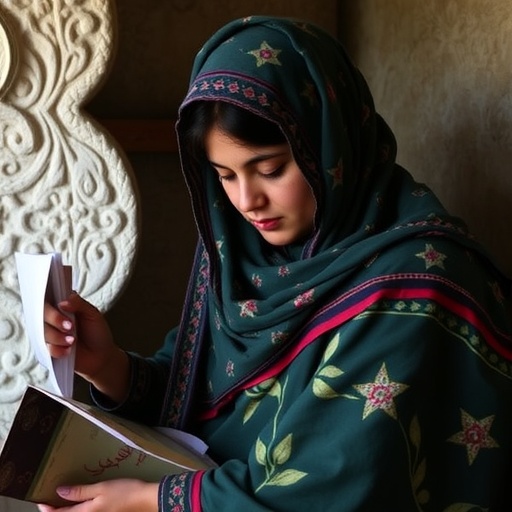
In a groundbreaking study, researchers have delved into the genetic tapestry of the Gilgiti and Kohistani populations in northern Pakistan, uncovering significant insights about maternal lineage diversity and associated health-related haplogroups. This research, which has been documented in a forthcoming article in BMC Genomics, marks a pivotal moment in understanding the genetic heritage of these two unique communities. The findings could have profound implications for health and disease prevention strategies within these indigenous populations and beyond.
The Gilgiti and Kohistani tribes, residing in one of the most geologically and culturally diverse regions of Pakistan, serve as a fascinating case study for genetic researchers. Their unique environmental context provides an opportunity to explore how isolation, migration patterns, and local adaptation have shaped their genetic profiles over thousands of years. This research not only contributes to the understanding of human genetics in South Asia but also enriches the broader narrative of human evolution and adaptation.
The study utilizes advanced genomic sequencing technology to analyze mitochondrial DNA (mtDNA), which is inherited exclusively through the maternal line. By focusing on mtDNA, the researchers can trace maternal ancestry and uncover evolutionary patterns that have persisted through generations. This approach offers a clearer window into the historical movements of these populations and reveals how such movements have influenced genetic health.
Preliminary results indicate a high degree of genetic diversity among the maternal lineages of the two populations, suggesting a long history of demographic fluctuations, including migrations and local adaptations to their rugged environment. Such diversity is not only a testament to the resilience of the communities but also vital for understanding the health implications associated with specific haplogroups linked to disease susceptibility and resistance.
The researchers have identified several health-related haplogroups that are prevalent within these populations. Notably, some of these haplogroups are associated with diseases that are prevalent in the region, underscoring the importance of genetic research in informing public health policies. These insights could lead to more personalized health interventions, tailored to the genetic backgrounds of the population, thereby improving health outcomes.
Moreover, the study highlights how specific maternal lineage markers can provide insights into the evolutionary adaptations to local environmental stresses. For example, certain haplogroups may confer heightened resistance to altitude-related illnesses, a particularly relevant factor given the high-altitude environment of northern Pakistan. Understanding these adaptations not only serves academic interest but also has practical implications for health care in these regions.
Importantly, the research team emphasizes the ethical considerations inherent in conducting genetic research within indigenous populations. The community’s informed consent and involvement in the research process have been prioritized to ensure that the benefits of the research are equitably shared. This paradigm shift towards collaborative research models is crucial, particularly in genetic studies that can significantly impact community health.
As the research progresses, the implications extend beyond the immediate populations studied. The genetic data obtained from the Gilgiti and Kohistani populations could serve as a comparative framework for studying other ethnic groups across South Asia. By establishing a genetic baseline for these populations, researchers hope to understand better the polygenic nature of health conditions and the role of ancestry in shaping health disparities across regions.
In conclusion, this innovative research underscores the power of genetics to illuminate the intricate relationships between ancestry, health, and adaptation. The findings are poised to contribute significantly to the fields of medical genetics and public health by providing actionable insights that can enhance the well-being of marginalized populations. As the scientific community eagerly awaits the publication of the full study, it is clear that the road ahead is paved with potential applications that could revitalize the approach to genetic research and its implications for health equity.
In the wake of these discoveries, there is immense opportunity for further research. As the implications of maternal lineages become clearer, there is a call for follow-up studies that further elucidate the relationships between genetic predispositions and specific health outcomes. These future investigations will be instrumental in developing targeted health interventions that directly address the needs of the Gilgiti and Kohistani populations, empowering them to tackle health challenges stemming from their unique genetic backgrounds.
The importance of this research extends beyond academic interest; it highlights the necessity for science to engage with communities wisely and ethically. As the genomics field continues to evolve, the lessons learned from this study can inform future genetic research endeavors and contribute to a more nuanced understanding of human diversity. The case of the Gilgiti and Kohistani populations serves as a reminder that each genetic marker carries a story, one that is deeply intertwined with the histories of the people it represents.
Cite Scienmag News
Juliet Wilcox. (December 27, 2025). Exploring Maternal Lineage and Health in Northern Pakistan. Scienmag. https://scienmag.com/exploring-maternal-lineage-and-health-in-northern-pakistan/
Juliet Wilcox. "Exploring Maternal Lineage and Health in Northern Pakistan." Scienmag, 27 December 2025, https://scienmag.com/exploring-maternal-lineage-and-health-in-northern-pakistan/. Accessed 1 September 2026.
Juliet Wilcox. "Exploring Maternal Lineage and Health in Northern Pakistan." Scienmag. December 27, 2025. https://scienmag.com/exploring-maternal-lineage-and-health-in-northern-pakistan/


