


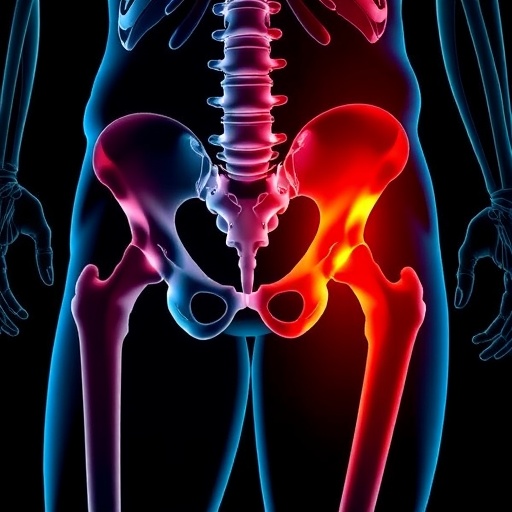
Recent findings from a comprehensive study conducted in Denmark have uncovered critical insights into how somatic and mental health disorders interactively influence the risk of reoperation following hip fracture surgery. The research, which encompassed an impressive cohort of 110,625 patients, provides a thorough examination of the implications of both physical and psychological conditions on surgical outcomes in the elderly population. This unprecedented study highlights the confluence of physical and mental health, a relationship that has often been overlooked in surgical healthcare.
The nationwide cohort study, led by Storgaard Jensen and colleagues, aims to deepen our understanding of how various health conditions can compound the challenges faced by patients following major surgery. Hip fractures, particularly common among older adults, usually result from a fall and often mandate surgical intervention. However, the complex interplay of pre-existing health issues can significantly affect patient recovery trajectories and surgical outcomes.
Mental disorders, ranging from anxiety to severe depression, have been found to create substantial burdens in recovery after surgical procedures. Patients with mental health issues may experience heightened levels of stress, delayed healing, and disruptions in their adherence to postoperative care recommendations. This study distinctly outlines how these mental health challenges can interact with physical ailments to elevate the risk of needing additional surgery.
This research emphasizes the emotional states of hip fracture patients prior to surgery, noting that high levels of anxiety or depression can lead to adverse surgical outcomes. The ramifications of these psychological states are particularly concerning, as they can interfere with not only recovery time but also overall mortality rates post-surgery. Understanding these risks is essential for healthcare providers who aim to improve surgical success rates and patient overall health.
Moreover, the study found that somatic disorders, which include chronic illnesses such as diabetes, heart disease, and neurological disorders, also critically impact recovery trajectories. With a significant percentage of the study’s cohort suffering from these conditions concurrently with their hip fractures, the findings urge healthcare providers to adopt a more holistic approach when assessing surgical risks. Multifactorial evaluations that consider both mental and physical health histories may ultimately lead to better surgical strategies and postoperative care.
Given the aging demographic within Denmark and globally, the insights gained from this analysis are timely and relevant. The authors postulate that integrating mental health assessments into the preoperative evaluation process could facilitate improved patient outcomes. By recognizing the potentially detrimental effects of unmanaged mental health disorders, surgeons and healthcare teams can take proactive measures to address these issues before surgical intervention.
The study’s methodology is robust, utilizing comprehensive national medical records to derive its conclusions. This approach enhances the reliability of the data and reflects actual clinical conditions faced by patients. The sheer scale of the study lends itself to a greater statistical power, ensuring that the results are not merely anecdotal but rather indicative of broader trends across the population.
Additionally, the findings call into question the common clinical practice of focusing predominantly on physical health metrics when assessing surgical risk. Surgeons and healthcare providers are encouraged to broaden their purview, incorporating mental health screenings that align with existing physical health evaluations. Such an integrated strategy may better inform surgical decision-making and risk management processes.
Exploring the combined effects of somatic and mental disorders also reveals the necessity for collaborative care models that involve psychiatrists or psychologists as part of the surgical team. Addressing patients’ mental health needs may not only enhance their ability to navigate the surgical experience but could also lower the rates of noncompliance with postoperative care that are frequently reported in these populations.
As the study highlights the importance of addressing both facets of health, it inherently raises discussions about the resources available for mental healthcare in the context of surgical preparation and recovery. Stakeholders in healthcare must advocate for increased funding and support for mental health initiatives, particularly those that can be easily integrated into surgical centers.
The implications of this study extend beyond hip fracture surgery, resonating with a broader ethos in medical practice that emphasizes preventative measures and long-term health outcomes. The integration of mental and somatic health perspectives could engender a cultural shift within surgical medicine, prompting a re-evaluation of how practitioners approach not only surgical risks but also the comprehensive health of their patients.
In conclusion, the collaborative work by Storgaard Jensen and colleagues showcases a critical and often neglected aspect of surgical care that could redefine best practices in the field. By shining a light on the individual and combined effects of somatic and mental disorders, this nationwide Danish cohort study paves the way for more nuanced, effective, and empathetic healthcare strategies in the future. The overarching theme of this research is clearer than ever: to optimize surgical outcomes, we must consider the entirety of a patient’s health—mind and body alike.
This seminal research is set to foster more informed discussions in the medical community, encouraging healthcare professionals to adopt a comprehensive view of patient health. As the landscape of surgical care continues to evolve, the lessons learned from this study will undoubtedly influence both current practices and future research in the years to come.
Storgaard Jensen, S., Gundtoft, P.H., Gjertsen, JE. et al. Individual and combined effects of somatic and mental disorders on reoperation risk after hip fracture surgery: a nationwide danish cohort study of 110,625 patients.
Eur Geriatr Med (2025). https://doi.org/10.1007/s41999-025-01396-5
Cite Scienmag News
Ophelia Keating. (December 25, 2025). Impact of Mental and Somatic Disorders on Hip Surgery Reoperations. Scienmag. https://scienmag.com/impact-of-mental-and-somatic-disorders-on-hip-surgery-reoperations/
Ophelia Keating. "Impact of Mental and Somatic Disorders on Hip Surgery Reoperations." Scienmag, 25 December 2025, https://scienmag.com/impact-of-mental-and-somatic-disorders-on-hip-surgery-reoperations/. Accessed 1 September 2026.
Ophelia Keating. "Impact of Mental and Somatic Disorders on Hip Surgery Reoperations." Scienmag. December 25, 2025. https://scienmag.com/impact-of-mental-and-somatic-disorders-on-hip-surgery-reoperations/


