


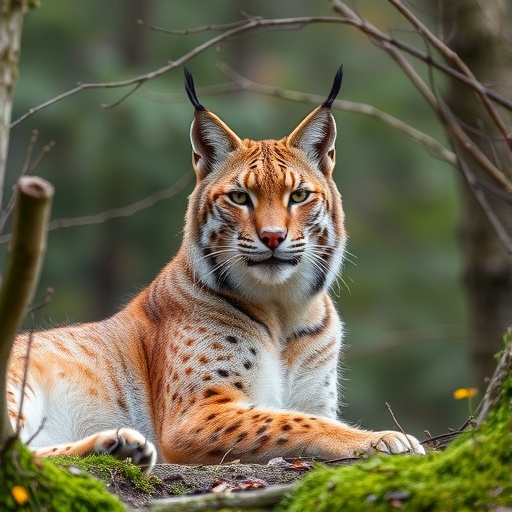
In the heart of the French Vosges and Jura mountains, a complex narrative unfolds around the local population’s relationship with the elusive Eurasian lynx (Lynx lynx). This long-shadowed feline, a symbol of wildness and nature, incites a mixture of curiosity, admiration, and trepidation among human communities. A recent study sheds light on the various perspectives of local actors concerning the coexistence of humans and this magnificent predator, revealing a tapestry woven with threads of threat, disturbance, and opportunity.
As populations of Eurasian lynx rebound across Europe, the species often finds itself at the center of human-wildlife conflict. This study aims to unravel the local perceptions of such conflicts, highlighting the sentiments that both nurture and challenge coexistence. Through interviews with local stakeholders, the research identifies a kaleidoscope of opinions regarding the lynx’s presence, reflecting broader societal views about wildlife conservation and management.
One prevalent feeling among local actors is that of uncertainty. Farmers and land users often express concerns about the potential impact of lynx on livestock, with some fearing that their livelihoods may be threatened. In contrast, conservationists celebrate the return of the lynx as a positive sign of biodiversity recovery, emphasizing that this species plays a crucial role in maintaining ecosystem balance. These disparate viewpoints create a contentious atmosphere, where discussions about coexistence become laced with anxiety and hope alike.
The study illustrates that the fear of predation on livestock is not without merit. Instances of lynx attacking domestic animals have been documented, and such events can lead to significant economic losses for farmers. The local economy, heavily reliant on agriculture and livestock farming, challenges perceptions of the lynx from a mere ecological marvel to a genuine threat. Policymakers, therefore, find themselves in a position where addressing farmer concerns is paramount while also promoting the lynx’s conservation.
Ecosystem services, however, cannot be ignored. The Eurasian lynx plays a vital role in controlling prey populations, particularly that of deer. By maintaining balanced numbers, the lynx indirectly supports the health of vegetation, which benefits overall biodiversity. The crux of the study lies in understanding how such ecological advantages can be articulated and appreciated by local communities, thereby transforming fear into understanding and acceptance.
Efforts to foster coexistence require open conversation and collaborative initiatives. Educational programs that inform the community about the lynx’s benefits, alongside proactive measures to safeguard livestock, can significantly mitigate conflicts. By offering protection for cattle and sheep, farmers may feel more empowered, allowing them to view the lynx not merely as an adversary but as part of a greater ecological community.
Moreover, this research reveals that emotional ties to landscape and cultural heritage play a vital role in shaping local views on the lynx. For some, the presence of the lynx resonates deeply, symbolizing a connection to the wild, an appreciation for nature’s complexities. Conversely, cultural fears, steeped in stories of predation and loss, can overshadow these positive sentiments. Bridging this gap is essential for genuine coexistence and requires a recognition of these emotional narratives.
Another significant aspect highlighted by the study is the role of community engagement and participatory governance in wildlife management. Local actors who feel involved in the decision-making processes tend to exhibit more favorable attitudes toward lynx conservation. By fostering a collaborative platform where farmers, conservationists, and policymakers can unite, stakeholders can work together to embark on solutions that balance the needs of humans and wildlife alike.
Transferring knowledge and experiences from regions where lynx and humans coexist successfully could prove invaluable. Sustainable tourism initiatives, wherein visitors are educated about the lynx’s ecological role, can stimulate local economies while also fostering a sense of pride in wildlife restoration efforts. By involving local populations in these initiatives, communities can learn to appreciate the lynx’s role not only as a tourist attraction but also as a symbol of biodiversity.
As this narrative unfolds, it becomes increasingly clear that coexistence is not an unequivocal outcome but rather a complex negotiation. While there are tangible benefits to the return of the lynx, the challenges must not be minimized. Addressing local stakeholders’ concerns, creating avenues for dialogue, and promoting empathy and understanding can create a pathway toward harmony.
The study concludes that the relationship between local actors and the Eurasian lynx is emblematic of a broader issue concerning wildlife conservation in human-dominated landscapes. The coexistence of humans and this majestic predator necessitates an ongoing commitment to communication, education, and collaboration. Only through mutual understanding can the fears and threats that accompany the presence of the lynx be alleviated.
As we look toward the future, the question remains: how will communities adapt to this formidable neighbor? With concerted effort, the story of the lynx in the Vosges and Jura mountains may evolve from one of conflict to one of coexistence, providing hope for a more harmonious future where humans and wildlife thrive side by side.
This research not only shines a light on the complexities of human-wildlife interactions in the context of the Eurasian lynx but also invites us to reflect on our own household narratives and responsibilities towards nature. As attitudes shift and collaborative initiatives take root, the potential for a positive relationship between man and animal may indeed become a reality, underscoring a larger narrative of coexistence in the Anthropocene.
Renault, G., Arpin, I., Young, J.C. et al. Between threat, disturbance and opportunity: Local actors’ views on coexistence with Eurasian lynx (Lynx lynx) in the French Vosges and Jura mountains.
Ambio (2025). https://doi.org/10.1007/s13280-025-02313-7
Cite Scienmag News
Margaret Porter. (December 24, 2025). Coexistence with Eurasian Lynx: Local Perspectives Explored. Scienmag. https://scienmag.com/coexistence-with-eurasian-lynx-local-perspectives-explored/
Margaret Porter. "Coexistence with Eurasian Lynx: Local Perspectives Explored." Scienmag, 24 December 2025, https://scienmag.com/coexistence-with-eurasian-lynx-local-perspectives-explored/. Accessed 4 September 2026.
Margaret Porter. "Coexistence with Eurasian Lynx: Local Perspectives Explored." Scienmag. December 24, 2025. https://scienmag.com/coexistence-with-eurasian-lynx-local-perspectives-explored/


