


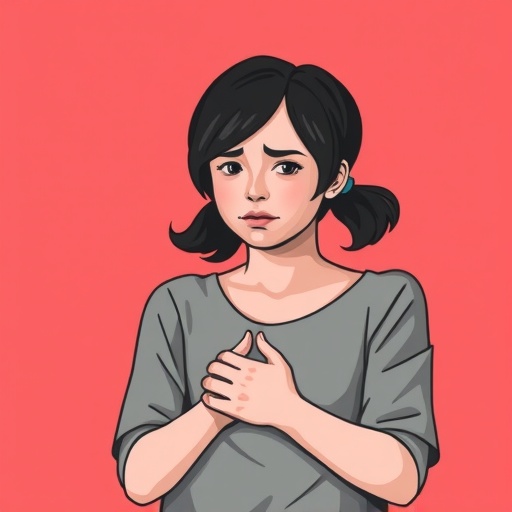
In a groundbreaking study soon to be published in the Journal of Child and Adolescent Trauma, the intricate relationship between bullying, mental health outcomes, and support systems has been rigorously examined. The research, conducted by renowned scholars H. Galindo-Domínguez and D.L. Iglesias, offers compelling insights into how various forms of support—namely familial, peer, and educational—play critical roles in mitigating the risk of suicide among bullied adolescents. This issue is increasingly relevant in an era where bullying has escalated and mental health crises among youth are at alarming levels.
Bullying is not merely an issue of interpersonal conflict; it is a societal concern extrapolated to various levels of emotional, psychological, and social distress. The repercussions can be lethal. Unfortunately, countless studies have unearthed the stark reality that bullied adolescents show a marked increase in suicidal ideation and behaviors. These findings might not come as a shock to many; however, dissecting the factors that can potentially alleviate such devastating outcomes remains a top priority for researchers and educators alike.
The authors meticulously analyzed various data sources, digging deep into how familial, peer, and teacher support systems impact the mental health of Spanish adolescents who experience bullying. The framework of this research is not only vital for understanding the interplay of these different forms of support but also serves to inform policy implementations aimed at fostering healthier environments for youths. By identifying which relationships safeguard young people from the darkest ramifications of bullying, the researchers aim to provide actionable insights that can empower families, educators, and policymakers alike.
Family support emerged as a particularly potent protective factor against the ramifications of bullying. Adolescents with strong familial ties exhibited more resilience when confronted with bullying situations. This raises important questions about the role that family dynamics play in the emotional well-being of adolescents. Families that foster open communication, empathy, and active engagement are more likely to see their children develop healthier coping mechanisms. The researchers emphasize that fostering these environments at home could be a decisive step in addressing the daunting issues of youth bullying and mental health.
Peer support is another critical dimension highlighted in their study. Adolescents spend a considerable amount of time with their peers, and the emotional and social interactions that occur in these settings can greatly influence their sense of belonging and self-worth. The research found that a robust network of friends can act as a buffer against the psychological fallout of bullying. Friends who stand by their peers in times of distress can help to alleviate feelings of loneliness and despair, counteracting the negative emotions that often accompany bullying experiences. This aspect of social support underscores the need for educational initiatives aimed at fostering inclusivity and nurturing friendships among youths.
The role of teachers cannot be underestimated either. As authority figures and mentors, teachers have a unique vantage point from which they can observe social dynamics within classrooms. The study suggests that proactive teacher involvement can have a significant positive impact on bullied students, serving to create safer and more supportive educational environments. A teacher who recognizes signs of bullying and intervenes effectively demonstrates to students that they are cared for and valued, facilitating healing and recovery from traumatic experiences. Such initiatives could encourage a culture of empathy and mutual respect within school environments, thereby directly addressing the bullying epidemic.
Moreover, the intersectionality between different support systems cannot be overlooked. It is crucial to understand that these forms of support—family, peers, and teachers—do not exist in isolation. The research demonstrates that the simultaneous presence of strong support from families, friends, and educators creates a comprehensive safety net for adolescents facing bullying. This interconnectedness highlights the necessity for a collective approach in addressing the issue, underscoring that isolated efforts may not suffice.
Setting this research apart is the cultural lens through which it examines the dynamics of bullying. Conducted in Spain, the findings offer a unique perspective on how cultural values and societal norms influence the effectiveness of different types of support. The nuances of Spanish culture, including familial structures and the importance placed on peer relationships, lend invaluable insight into the unique ways these adolescents navigate their challenges. Consequently, the relevance of these findings may extend beyond Spain, sparking conversations about how different contexts can affect the experiences of bullied youth worldwide.
In light of the increasing prevalence of bullying and its dire consequences, the researchers advocate for comprehensive policy changes. Their work lays the groundwork for initiatives aimed at equipping parents, educators, and students with the tools and understandings necessary to combat bullying effectively. By fostering environments rich in familial, peer, and teacher support, communities can significantly impact the mental health trajectories of their youth. The implications extend far into the future, hinting at a potential decrease in suicide rates among adolescents if these support structures are embraced and nurtured.
Overall, the study presents a timely and vital exploration into the protective factors against suicide in bullied youth. The meticulous approach adopted by Galindo-Domínguez and Iglesias delivers not only empirical findings but also a clarion call to action for all stakeholders involved in adolescent welfare. As juvenile mental health remains a pressing issue, initiatives rooted in the study’s insights could pave the way for a generation that feels safer, more supported, and empowered to face challenges head-on.
Critically, as discussions around mental health gain increasing traction, the contributions of this research will serve as a bedrock for future studies. The researchers have opened a plethora of pathways for further inquiry, urging the academic community to explore the broader implications of these findings. The more we understand about the interplay of support and resilience, the closer we come to unraveling the complex tapestry that defines adolescent experiences with bullying and mental health outcomes.
In summary, this study serves as both a mirror and a guide. It reflects the pressing realities faced by bullied adolescents and highlights the indispensable supports that can help steer them towards lives marked by hope and durability. In doing so, it challenges us all—families, communities, educators, and policymakers—to foster spaces where our youth can thrive in the face of adversity.
By recognizing that collective responsibility lies at the heart of combating bullying, we find ourselves empowered to effect change. The insights gleaned from Galindo-Domínguez and Iglesias’s research offer not only a cautionary tale but also a hopeful strategy for navigating the tumultuous waters of adolescence while prioritizing emotional well-being. The journey towards understanding and mitigating the effects of bullying is far from over, yet this study marks a crucial step forward in that ongoing endeavor.
This research not only contributes to the academic dialogue on bullying and mental health but also reminds us of an irrefutable truth: every young person deserves a chance to flourish without the shadows of bullying dimming their sense of self.
Galindo-Domínguez, H., Iglesias, D.L. Who Protects Youth from Suicide After Bullying? Comparative Effects of Family, Peer and Teacher Support in Spanish Adolescents.
Journ Child Adol Trauma (2025). https://doi.org/10.1007/s40653-025-00801-2
Cite Scienmag News
Courtney Benton. (December 18, 2025). Prevención del suicidio tras bullying: apoyo clave. Scienmag. https://scienmag.com/prevencion-del-suicidio-tras-bullying-apoyo-clave/
Courtney Benton. "Prevención del suicidio tras bullying: apoyo clave." Scienmag, 18 December 2025, https://scienmag.com/prevencion-del-suicidio-tras-bullying-apoyo-clave/. Accessed 1 September 2026.
Courtney Benton. "Prevención del suicidio tras bullying: apoyo clave." Scienmag. December 18, 2025. https://scienmag.com/prevencion-del-suicidio-tras-bullying-apoyo-clave/


