


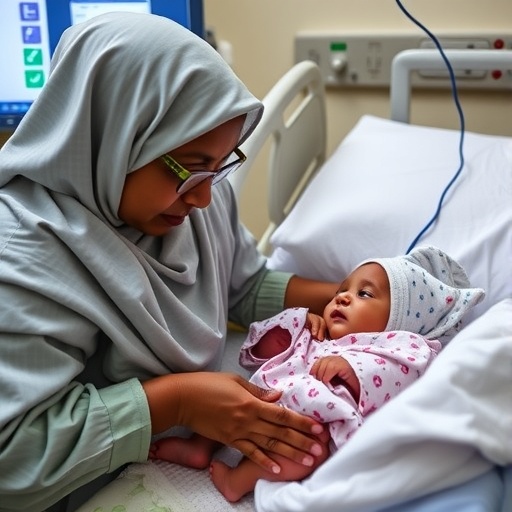
In an alarming revelation, a recent study titled “Catheter-related bloodstream infections and risk factors in infants hospitalized in neonatal intensive care units at Mogadishu, Somalia: two years of experience” highlights the serious threat posed by catheter-related bloodstream infections (CRBSIs) in vulnerable neonatal populations. Conducted in the bustling city of Mogadishu, this research underscores the pressing need for effective infection control policies in neonatal intensive care units (NICUs), where infants face heightened risks due to their compromised immune systems.
The significance of this study cannot be overstated. Infants, especially those in NICUs, often require intravenous catheterization for various medical interventions. However, such procedures can inadvertently open the door to potentially life-threatening infections. This study reveals data collected over two years, offering critical insights into the prevalence of CRBSIs and identifying risk factors associated with these infections that can inform hospital protocols across similar settings.
Researchers conducted a comprehensive analysis involving a cohort of infants admitted to the NICU in Mogadishu, where they meticulously tracked instances of CRBSIs over a two-year period. The results illustrate not just the frequency of these infections, but also exhibit alarming patterns that could prove pivotal for healthcare providers. Such infections were found to have significant associations with aspects like prolonged catheterization, lack of aseptic techniques, and the general condition of the hospitalized infants, ultimately showcasing the dire need for heightened awareness and preventive measures.
The study indicates that the majority of CRBSI cases were reported in premature infants and those with low birth weights. This indicates a strong correlation between an infant’s gestational age, along with their overall health status, and the likelihood of developing these serious infections. Premature infants, due to their underdeveloped immune systems, are particularly at risk, making it imperative for healthcare systems to prioritize this demographic when examining infection rates and prevention strategies.
Moreover, the research found a marked prevalence of specific pathogens causing CRBSIs in these infants. Notably, cultures revealed multidrug-resistant organisms, an alarming trend that highlights the challenges posed by antibiotic resistance in healthcare settings. This factor not only complicates treatment options but also heightens the urgency for effective antimicrobial stewardship and infection control practices in NICUs.
Among the critical findings of the study, the length of catheterization emerged as a significant risk factor for developing CRBSIs. The results indicate that longer periods of catheter use correlate with increased infection rates, thereby reinforcing the necessity for healthcare professionals to regularly assess the need for catheterization in their young patients. It raises the important question of how often healthcare providers should evaluate whether catheterization is still essential for each individual patient and seek alternatives whenever possible.
Another key element of the findings pertains to the aseptic techniques employed during catheter insertions and maintenance. The study points out that deviations from strict infection control protocols were frequent, leading to breaches in aseptic techniques that could allow for microbial transmission. This highlights a critical gap in practice that could be addressed through improved training and protocols for healthcare professionals working in NICU settings.
Additionally, the research emphasizes the importance of conducting regular training sessions for nursing staff regarding infection prevention practices. By equipping nurses and medical staff with the knowledge and techniques necessary to mitigate risks, hospitals can significantly reduce rates of CRBSIs. Creating an institutional culture that prioritizes infection control can also bolster ongoing efforts to improve patient outcomes and enhance the overall quality of care in neonatal units.
The implications of this study extend beyond the local context in Somalia. As healthcare systems worldwide face increasing pressures from rising infection rates and antimicrobial resistance, the urgent need to revisit infection control standards in NICUs becomes undeniable. With neonatal populations remaining one of the most vulnerable groups, addressing the root causes of CRBSIs is crucial to protecting their health and wellbeing.
In conclusion, the findings from this research serve as a vital wake-up call for NICU administrations both locally and globally. The detailed assessment of catheter-related bloodstream infections in Mogadishu offers important lessons about the challenges posed by these infections and underscores the necessity for swift and effective interventions. Tackling the identified issues surrounding catheter use and infection control protocols can only succeed through collective awareness and commitment to change, aiming to safeguard the youngest and most fragile patients in our healthcare systems.
Cite Scienmag News
Ophelia Keating. (December 18, 2025). Two-Year Study of Catheter Infections in Somali NICUs. Scienmag. https://scienmag.com/two-year-study-of-catheter-infections-in-somali-nicus/
Ophelia Keating. "Two-Year Study of Catheter Infections in Somali NICUs." Scienmag, 18 December 2025, https://scienmag.com/two-year-study-of-catheter-infections-in-somali-nicus/. Accessed 4 September 2026.
Ophelia Keating. "Two-Year Study of Catheter Infections in Somali NICUs." Scienmag. December 18, 2025. https://scienmag.com/two-year-study-of-catheter-infections-in-somali-nicus/


