


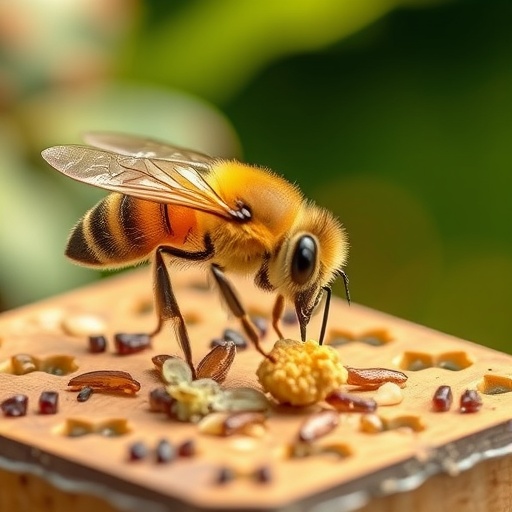
The ongoing global pandemic has transformed various aspects of human life, with its reverberations reaching even the most unsuspecting corners of our environment and ecosystems. A recent study has shed light on the multifaceted impacts of the COVID-19 pandemic on bees and beekeeping practices. This research explores not only how the pandemic has affected these vital pollinators but also examines the potential roles that bee products can play as antiviral agents and immune enhancers.
Bees are crucial for pollinating numerous crops that are essential for human sustenance. Yet, the COVID-19 pandemic led to widespread disruptions in agricultural routines and supply chains. The research highlights that lockdowns and social distancing measures implemented worldwide have had a significant impact on beekeeping activities. Beekeepers faced challenges in maintaining their hives due to restrictions that limited their mobility, making it difficult for them to check on their bees, harvest honey, or manage pesticide exposure adequately.
In addition to operational challenges, the study indicates that the pandemic has altered consumer demand for bee products. With restaurants and cafes temporarily shut down, the market for honey and other bee-derived products experienced fluctuations. These changes prompted beekeepers to adapt their business strategies to navigate the evolving landscape of consumer behaviors, which was necessary to sustain their livelihoods during these uncertain times.
Beyond the economic aspects, the research delves into the potential benefits of bee products in combating viral infections, a timely topic given the strain COVID-19 has placed on global health systems. Honey, propolis, and royal jelly possess unique properties that have long been recognized for their health benefits. The study discusses existing literature suggesting that these bee products may exhibit antiviral properties, making them candidates for further exploration in the fight against viruses, including coronaviruses.
In particular, propolis, a resinous mixture produced by bees, has been noted for its antimicrobial and antiviral activities. The compounds found in propolis, such as flavonoids and phenolic acids, could play a role in boosting the immune system and potentially reducing the severity of viral infections. This aspect of bee products opens up a promising area for future research, especially in the context of global health challenges posed by emerging infectious diseases.
The examination of bees’ ecological role and the challenges they face during the pandemic leads to broader questions about biodiversity and environmental conservation. The decline in bee populations presents a significant threat not only to agriculture but also to entire ecosystems that rely on these pollinators. The pandemic has underscored the interconnectedness of human health, environmental health, and the well-being of vital species such as bees.
The research further emphasizes the importance of policies that support sustainable practices in beekeeping and agriculture. Governments and organizations must prioritize the protection of pollinators, encouraging practices that are both environmentally friendly and economically viable for beekeepers. This shift is essential not just for the bees but for global food security and ecological health.
Moreover, the study suggests a need for greater public awareness about the benefits of bees and the products they produce. By educating consumers about the role of bees in food production and the health benefits of bee products, support for local beekeepers can be bolstered. Greater consumer interest can lead to a resurgence in beekeeping practices that align with sustainable development goals.
As the world navigates post-pandemic recovery, it is crucial to recognize the significance of nature conservation as part of this process. Long-term strategies should include the integration of biodiversity preservation into health and economic recovery plans. The lessons learned from this pandemic can pave the way for innovative approaches that recognize the importance of bees in maintaining human health and the balance of ecosystems.
In conclusion, the intersection of the COVID-19 pandemic with the world of bees highlights the need for a holistic understanding of health that encompasses human, animal, and ecological wellbeing. The study’s findings serve as a call to action for scientists, policymakers, and the public alike to invest in the health of our planet’s crucial pollinators. Research into the antiviral potential of bee products not only offers hope in combating current and future health crises but also reinvigorates the dialogue around sustainability and environmental stewardship.
The remarkable resilience of bees amidst global challenges can inspire innovations that align agricultural practices with broader ecological health. The pandemic has acted as a catalyst, revealing vulnerabilities and opportunities alike, urging us to forge connections with the natural world in ways that promote harmony and resilience for both humanity and wildlife.
The findings underscore that while the pandemic presented unprecedented challenges, it also illuminated paths forward in addressing the complex interdependencies between our own health and the health of the ecosystems that support us. Advocacy for the bees could eventually evolve into a movement that uplifts both public health and environmental integrity, shaping a future where the buzzing of bees once again aligns with the thriving of agriculture and biodiversity.
Ultimately, the research points to an integrated future where understanding the nuances of bee health, their ecosystems, and the myriad of connections to human health could usher in new paradigms for wellness. This synergy between the natural world and public health remains an area ripe for exploration as the global community strives to emerge stronger and more united from the pandemic.
Attia, Y.A., Giorgio, G.M., Addeo, N.F. et al. Retraction Note: COVID-19 pandemic: impacts on bees, beekeeping, and potential role of bee products as antiviral agents and immune enhancers.
Environ Sci Pollut Res (2025). https://doi.org/10.1007/s11356-025-37306-2
Cite Scienmag News
Violet Maxwell. (December 18, 2025). Bees and Beekeeping: COVID-19 Impact and Opportunities. Scienmag. https://scienmag.com/bees-and-beekeeping-covid-19-impact-and-opportunities/
Violet Maxwell. "Bees and Beekeeping: COVID-19 Impact and Opportunities." Scienmag, 18 December 2025, https://scienmag.com/bees-and-beekeeping-covid-19-impact-and-opportunities/. Accessed 1 September 2026.
Violet Maxwell. "Bees and Beekeeping: COVID-19 Impact and Opportunities." Scienmag. December 18, 2025. https://scienmag.com/bees-and-beekeeping-covid-19-impact-and-opportunities/


