


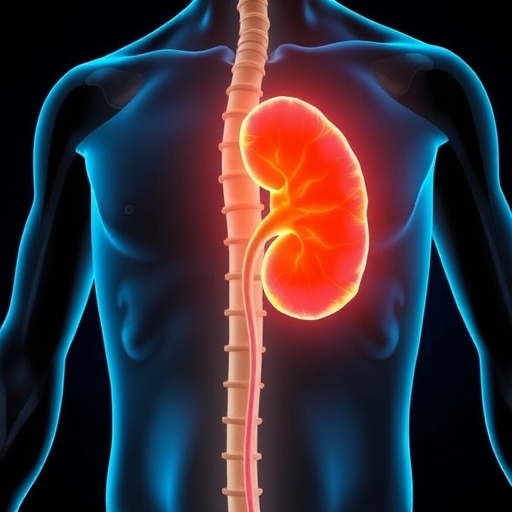
Recent research has brought to light the intriguing relationship between the triglyceride-glucose index (TyG index) and kidney function in adults. In a detailed population-based study conducted by Pasdar, Neya, Nikbakht, and colleagues, this correlation was carefully examined, shedding new light on how metabolic markers relate to renal health. The TyG index serves as a pivotal indicator integrating triglyceride levels and glucose metabolism, often seen as a harbinger of insulin resistance. As such, its relevance in understanding kidney function is of considerable interest to both clinicians and researchers focused on diabetes and nephrology.
The study in question capitalizes on a comprehensive dataset that encompasses a wide array of demographic and health-related variables. One of the key aspects of this research was the methodical approach to understanding how the TyG index can serve as a reliable biomarker for kidney dysfunction. Researchers employed extensive statistical analyses, harnessing advanced methodologies to explore these associations thoroughly. The implications of this research are vast, particularly given the growing prevalence of metabolic disorders and the burden they place on health systems globally.
One notable finding from the analysis indicated a compelling correlation between high TyG index values and diminished kidney function across various demographics. This relationship reinforces existing theories regarding the metabolic syndrome—an amalgamation of conditions like obesity, hypertension, and dyslipidemia—that predispose individuals to chronic kidney disease (CKD). While previous studies have examined individual components of metabolic syndrome, this study uniquely integrates them into the TyG index framework, enhancing our understanding of their interplay concerning kidney health.
Interestingly, the study also delved into the mechanisms by which insulin resistance, as reflected by the TyG index, could contribute to kidney damage. Insulin resistance is known to result in increased glomerular hyperfiltration and subsequent kidney injury. By linking the TyG index to renal function, this research advances the narrative of metabolic health’s role in influencing kidney outcomes. This connection is particularly crucial because early detection of kidney impairment can prevent the progression to irreversible kidney failure—a growing concern in modern healthcare.
The research team conducted robust analyses using a population cohort, ensuring a diverse representation across age, sex, and ethnicity. This approach strengthens the reliability of the findings, making them applicable to a broader population. The nuanced understanding of how and why the TyG index aligns with kidney function could lead to targeted interventions that benefit individuals at risk of developing CKD due to metabolic disturbances.
In addition to the statistical analyses, the authors highlighted the practical implications of their findings. They suggested that screening for TyG index levels could become a routine part of health assessments, particularly for those with risk factors for insulin resistance or CKD. By identifying individuals with elevated TyG indices early on, healthcare providers could initiate preventive measures, potentially altering the trajectory of kidney disease in susceptible populations.
Moreover, the study raises pertinent questions about lifestyle factors and their role in modulating the effects observed with the TyG index. Diet, physical activity, and overall metabolic health can significantly impact triglyceride levels and glucose metabolism. Hence, this research paves the way for comprehensive programs focusing not only on managing glucose and triglycerides but also on promoting healthier lifestyle choices that could improve renal health.
As we explore the insights provided by this study further, it becomes evident that the researchers have opened new avenues for investigation. Future studies might focus on longitudinal assessments to examine how changes in the TyG index over time correlate with kidney function progression. Furthermore, exploring the interplay between genetic factors, the TyG index, and kidney health could provide a more detailed understanding of individual risk profiles.
The need for more interdisciplinary research is emphasized in light of these findings. Collaboration across the fields of endocrinology, nephrology, and metabolic health could catalyze novel approaches to manage kidney disease effectively. A multifaceted strategy that includes monitoring metabolic parameters like the TyG index alongside traditional renal function tests could represent a paradigm shift in managing chronic kidney disease.
Additionally, patient engagement and education should be considered integral components of any interventions stemming from this research. By informing patients about the TyG index and its implications for kidney health, they are more likely to participate in management strategies that reinforce metabolic wellness. Empowering patients through knowledge could enhance their health outcomes while simultaneously reducing the burden on healthcare systems.
In conclusion, Pasdar and colleagues’ investigation into the relationship between the triglyceride-glucose index and kidney function presents a significant contribution to the fields of endocrinology and nephrology. By illustrating how this metabolic marker is associated with renal health, the study not only adds to our understanding of CKD progression but also lays the groundwork for future research avenues. Ultimately, as researchers and clinicians integrate these insights into practice, there is potential for improved detection and management of chronic kidney diseases, thereby enhancing patient outcomes in an increasingly burdened healthcare landscape.
Cite Scienmag News
Jerry Hayes. (December 14, 2025). Triglyceride-Glucose Index Linked to Kidney Health. Scienmag. https://scienmag.com/triglyceride-glucose-index-linked-to-kidney-health-2/
Jerry Hayes. "Triglyceride-Glucose Index Linked to Kidney Health." Scienmag, 14 December 2025, https://scienmag.com/triglyceride-glucose-index-linked-to-kidney-health-2/. Accessed 6 September 2026.
Jerry Hayes. "Triglyceride-Glucose Index Linked to Kidney Health." Scienmag. December 14, 2025. https://scienmag.com/triglyceride-glucose-index-linked-to-kidney-health-2/


