


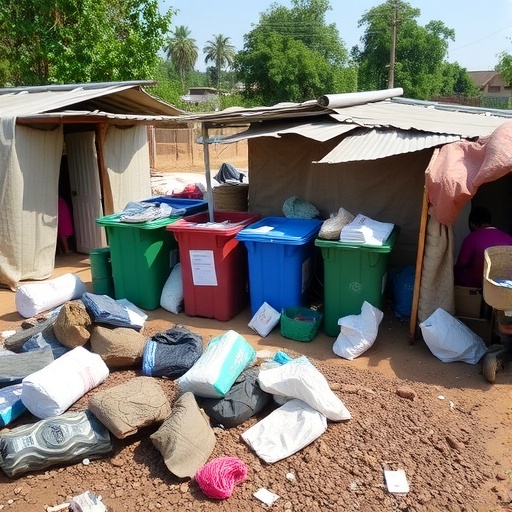
In recent years, urban centers across Africa have been grappling with the perplexing issue of solid waste management, particularly in informal settlements. Among these, Harare, Soweto, Accra, Kinshasa, and Lagos offer a vivid but concerning picture of the challenges that come with rapid urbanization and population growth. A recent study by B. Nyathi sheds light on these complexities, revealing the multifaceted impacts of inadequate waste management systems and highlighting potential pathways for improvement. This exploration is not just academic; it holds significant implications for public health, environmental sustainability, and social equity.
The growth of informal settlements has outpaced the ability of municipal governments to provide essential services, including waste management. These densely populated neighborhoods often lack the infrastructure needed to handle the waste generated by their inhabitants. As urban populations swell, the disposal of solid waste has become a pressing issue that threatens both environmental health and the wellbeing of communities. Nyathi’s analysis examines the intricate problems faced by these settlements, from inadequate resource allocation to the absence of effective governance structures.
One of the primary challenges identified is the lack of proper waste collection systems. In many informal settlements, residents are left to fend for themselves when it comes to waste disposal. This results in garbage piling up in homes and streets, creating unsightly and unsanitary conditions. The study highlights how the absence of a coordinated waste management strategy exacerbates public health risks. Contaminated water sources and increased rodent populations are just a few of the negative consequences that can arise from neglecting this critical aspect of urban living.
Moreover, the economic implications of poor waste management are profound. When waste is not collected efficiently, it disrupts local markets and hinders economic growth. Vendors struggle to attract customers to markets filled with litter, and property values in the vicinity suffer. Consumers and businesses alike bear the brunt of these detriments, which can lead to a vicious cycle of poverty and degradation. Nyathi emphasizes the importance of recognizing waste management not only as an environmental issue but also as a developmental one that requires urgent attention from policymakers.
Another significant point raised in the study is the environmental impact of unmanaged waste. Across these cities, improper disposal practices lead to soil and water contamination, which in turn affects agriculture and fishery sectors. Natural habitats are also compromised as waste infiltrates nearby ecosystems, contributing to biodiversity loss. This creates a cycle of environmental degradation that can have repercussions for future generations. Efforts to improve waste management must therefore consider ecological preservation as a fundamental goal.
Interestingly, Nyathi’s review also reveals that informal settlements exhibit a resilience that often goes unnoticed. Community members engage in informal waste collection and recycling practices, albeit in an unstructured manner. Many of these residents take it upon themselves to clean up their surroundings, showing initiative and resourcefulness. However, such efforts are often inadequate without formal recognition and support from local authorities. This grassroots engagement could serve as a foundation for more structured waste management strategies that incorporate local knowledge and practices.
Public awareness and education play a crucial role in fostering better waste management practices. Nyathi argues that community engagement initiatives should be prioritized, encouraging local residents to take responsibility for their waste while also educating them about the long-term effects of improper waste disposal. By fostering a sense of ownership over their environment, communities can take significant strides towards improving their living conditions. Furthermore, local governments could leverage this community spirit to drive more sustainable waste management initiatives.
In comparing the various cities studied, it becomes evident that there is no one-size-fits-all solution to the challenges posed by solid waste in informal settlements. The socio-economic and political contexts of Harare, Soweto, Accra, Kinshasa, and Lagos differ fundamentally, influencing their waste management frameworks. Tailored approaches that reflect local needs and conditions are essential for achieving successful outcomes. Nyathi recommends collaborative efforts among government, NGOs, and community organizations as a potential pathway to creating effective waste management systems.
Investments in infrastructure and technology must also be part of the equation. Advanced methods of waste sorting, recycling, and composting can minimize the amount of waste that goes to landfills, thereby reducing environmental impact. Innovative technologies, such as mobile apps for waste collection scheduling, can streamline the process, making it easier for residents to participate actively. Nyathi stresses that financial commitments from governments, paired with technical assistance, are vital for implementing these changes effectively.
Ultimately, the findings of this review serve as a clarion call for urgent action. The implications of solid waste mismanagement extend beyond mere aesthetics; they encapsulate profound public health and environmental concerns that jeopardize the very fabric of urban life. Nyathi’s work emphasizes the pressing need for integrated waste management systems that are both effective and equitable. By acknowledging the needs of informal settlements and investing in sustainable practices, cities can create healthier, more livable spaces for all residents.
As global urbanization continues to rise, the lessons learned from the experiences of African cities may provide valuable insights for other regions facing similar issues. The dialogue surrounding waste management must evolve to incorporate diverse voices and perspectives, especially those from marginalized communities. By fostering inclusive conversations and strategies, we can pave the way for cleaner, safer urban environments across the globe.
In summary, solid waste management in informal settlements presents a myriad of challenges that demand immediate and collaborative solutions. Through careful analysis and the exploration of successful practices, Nyathi’s study encapsulates the urgency of the issue while presenting opportunities for innovation and improvement. The road ahead may be fraught with obstacles, but with collective effort and commitment, cities can transform their waste management systems for a cleaner, healthier future.
Nyathi, B. Solid waste management in informal settlements in Harare, Soweto, Egypt, Accra, Kinshasa, and Lagos: a review of challenges, impacts, and measures for improvement.
Discov Sustain (2025). https://doi.org/10.1007/s43621-025-01025-y
Cite Scienmag News
Violet Maxwell. (December 14, 2025). Improving Solid Waste Management in Informal Settlements. Scienmag. https://scienmag.com/improving-solid-waste-management-in-informal-settlements/
Violet Maxwell. "Improving Solid Waste Management in Informal Settlements." Scienmag, 14 December 2025, https://scienmag.com/improving-solid-waste-management-in-informal-settlements/. Accessed 3 September 2026.
Violet Maxwell. "Improving Solid Waste Management in Informal Settlements." Scienmag. December 14, 2025. https://scienmag.com/improving-solid-waste-management-in-informal-settlements/


