


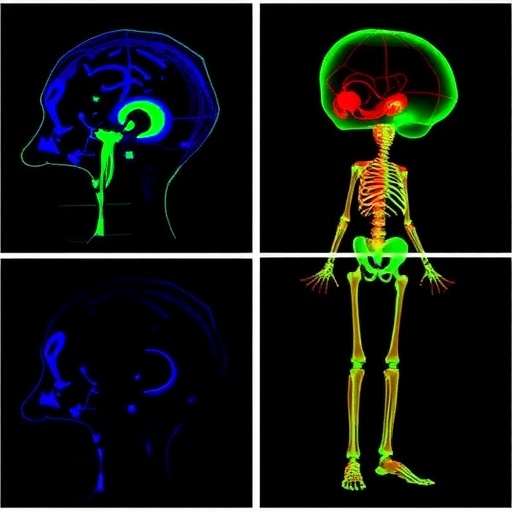
In a groundbreaking study poised to reshape our understanding of neurodevelopmental genetics, Li et al. have unveiled critical insights into the role of the ZMIZ1 gene in the rare neurodevelopmental disorder characterized by dysmorphic facies and distal skeletal anomalies (NEDDFSA). Published in Pediatric Research in December 2025, this comprehensive genetic and functional analysis leverages innovative methodologies, integrating molecular biology with cellular physiology to illuminate the underlying mechanisms of this enigmatic condition.
ZMIZ1, a gene previously linked to various transcriptional regulatory processes, emerges as a pivotal player in the pathogenesis of NEDDFSA. The disorder, marked by distinct craniofacial abnormalities and complex skeletal deformities, has long baffled clinicians due to its heterogeneous presentation and elusive genetic causes. Through meticulous genetic sequencing and functional assays using patient-derived muscle cells, the research team provides compelling evidence that mutations in ZMIZ1 disrupt critical signaling pathways necessary for normal neurodevelopment and skeletal formation.
One of the hallmarks of this study is the utilization of muscle cells as a model system to probe the functional consequences of ZMIZ1 mutations. Muscle cells, readily accessible yet highly informative, serve as a proxy to interrogate how these genetic alterations manifest at the cellular level. Detailed biochemical analyses revealed that aberrant ZMIZ1 activity leads to altered expression of key genes involved in cytoskeletal organization and signal transduction, underpinning the musculoskeletal anomalies observed in NEDDFSA patients.
The researchers employed sophisticated CRISPR-Cas9 genome editing to recreate patient-specific ZMIZ1 mutations in vitro, enabling a direct comparison between wild-type and mutant cellular phenotypes. This approach uncovered diminished activation of the Notch and Wnt signaling pathways, both of which are essential for neuronal differentiation and skeletal patterning. Such findings underscore the multifaceted role of ZMIZ1 as a transcriptional co-activator interacting with multiple developmental signaling networks.
In addition to molecular disruptions, the study sheds light on the broader impact of ZMIZ1 perturbations on cellular physiology. Muscle cells harboring mutant ZMIZ1 exhibited impaired contractility and altered mitochondrial function, highlighting a nexus between gene regulatory defects and cellular bioenergetics. These physiological impairments likely contribute to the neuromuscular symptoms frequently reported in NEDDFSA patients, bridging the gap between genotype and phenotype.
The dysmorphic facial features associated with NEDDFSA, often a diagnostic challenge, are linked to disrupted craniofacial morphogenesis mediated by ZMIZ1 alterations. Through detailed morphometric analyses coupled with gene expression profiling, Li et al. demonstrated that ZMIZ1 mutations lead to aberrant differentiation of neural crest cells, which give rise to facial bone and cartilage structures. This revelation offers a tangible genetic explanation for the distinctive dysmorphisms, advancing diagnostic precision.
Notably, the identification of distal skeletal anomalies — such as shorter phalanges and malformed joints — as hallmarks of ZMIZ1-related dysfunction provides new avenues for clinical intervention. The study suggests that targeted modulation of affected signaling pathways might ameliorate or prevent skeletal defects, marking a significant leap toward therapeutic strategies. Although clinical translation remains preliminary, this molecular roadmap sets a promising foundation.
The extensive use of RNA sequencing in this investigation illuminated a comprehensive landscape of downstream targets modulated by ZMIZ1 activity. Perturbed gene networks encompass not only developmental pathways but also immune response and cellular metabolism genes, suggesting a broader systemic impact of ZMIZ1 mutations. This systemic perspective challenges the previously narrow focus on isolated tissue abnormalities, advocating for holistic patient management.
Li and colleagues also explored the temporal expression patterns of ZMIZ1 during development using single-cell transcriptomics. The data reveal a dynamic regulation of ZMIZ1, peaking at critical windows of neuronal and skeletal development. These temporal insights reinforce the necessity of precise gene regulation during embryogenesis and how its disruption precipitates complex multi-system disorders.
The study’s findings have profound implications beyond NEDDFSA, as ZMIZ1 has been implicated in other neurodevelopmental and psychiatric conditions. The shared molecular pathways elucidated here provide a conceptual framework for understanding overlapping symptomatology among diverse disorders. Future research may uncover common therapeutic targets, enhancing the clinical utility of this discovery.
From a diagnostic standpoint, the incorporation of ZMIZ1 mutation screening into genetic panels for unexplained neurodevelopmental anomalies represents an immediate application of this work. Early identification can facilitate tailored interventions, genetic counseling, and improved prognostic assessments, potentially mitigating long-term disabilities.
In conclusion, this comprehensive genetic and functional dissection of ZMIZ1 in NEDDFSA not only unravels the molecular etiology of this rare disorder but also pioneers a model for investigating complex genetic diseases. Through the convergence of cutting-edge molecular biology, patient-derived cellular models, and bioinformatics, the study heralds a new era of precision medicine in neurodevelopmental disorders. The implications reach far beyond a single gene, promising transformative impact across genetics, developmental biology, and clinical neuroscience.
As the scientific community continues to build on these discoveries, the integration of multi-omics, advanced imaging, and longitudinal patient studies will further refine our understanding. Li et al.’s work stands as a testament to the power of interdisciplinary research in deciphering the intricacies of human genetic diseases and opening pathways to novel therapeutic interventions for previously intractable conditions.
Cite Scienmag News
Juliet Wilcox. (December 11, 2025). ZMIZ1’s Role in Neurodevelopment and Skeletal Anomalies. Scienmag. https://scienmag.com/zmiz1s-role-in-neurodevelopment-and-skeletal-anomalies/
Juliet Wilcox. "ZMIZ1’s Role in Neurodevelopment and Skeletal Anomalies." Scienmag, 11 December 2025, https://scienmag.com/zmiz1s-role-in-neurodevelopment-and-skeletal-anomalies/. Accessed 4 September 2026.
Juliet Wilcox. "ZMIZ1’s Role in Neurodevelopment and Skeletal Anomalies." Scienmag. December 11, 2025. https://scienmag.com/zmiz1s-role-in-neurodevelopment-and-skeletal-anomalies/


