


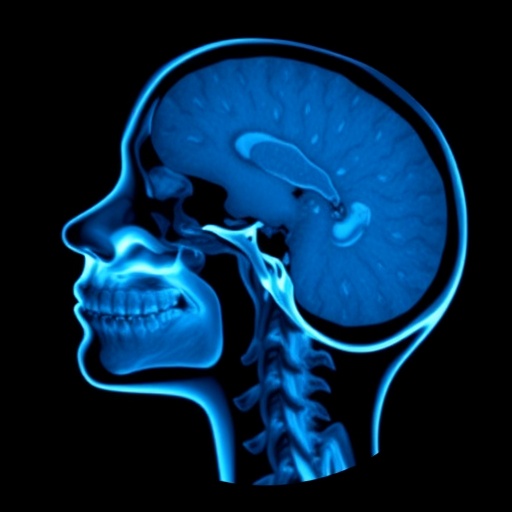
In the realm of pediatric imaging, the integration of artificial intelligence (AI) is paving new pathways that could significantly enhance diagnostic efficacy and operational efficiency. A recent study published in the journal Pediatric Radiology emphasizes the pressing necessity for triage and workflow optimization, tackling inefficiencies that currently impede the speed and accuracy of pediatric imaging services. This groundbreaking research, spearheaded by Bhatia et al., seeks to address these challenges head-on, harnessing the power of AI to create a more streamlined and effective imaging workflow tailored specifically for the needs of children.
One of the major hurdles faced by pediatric radiologists today is the overwhelming volume of imaging studies that require immediate attention. Typical workflows are often bogged down by manual triage systems that sort cases based on various parameters including urgency, type of study, and physician availability. Bhatia and colleagues propose that AI algorithms can be employed to rapidly and accurately assess the clinical priority of incoming cases, thereby enabling healthcare providers to focus on the most critical patients more swiftly.
Artificial intelligence shines in its ability to analyze vast datasets at unparalleled speeds, offering insights that would take human radiologists much longer to identify. The study illustrates how deep learning techniques can be utilized to train AI models on historical imaging data, allowing the systems to recognize patterns indicative of urgency. For instance, conditions such as fractures or acute infections in children that necessitate immediate imaging can be flagged by AI, which can dramatically reduce wait times in emergency settings.
The implications of faster triage not only enhance patient outcomes but also serve to alleviate the burden on radiology departments. Bhatia’s study highlights test cases where AI-driven triage systems delivered faster results when compared to traditional methods, often reducing the time from imaging request to definitive report generation. This shift also allows human radiologists to allocate their time more effectively, focusing on complex cases that require expert analysis while relying on AI to handle routine assessments.
Workflow optimization extends beyond triage; it encompasses the entire imaging process, including scheduling and follow-up protocols. The implementation of AI can help predict which imaging exams will be most in demand based on historical trends, enabling departments to better allocate resources, manage staffing, and reduce bottlenecks that negatively impact patient care. Bhatia’s findings point out that predictive analytics can facilitate proactive measures, essentially creating a more agile imaging department capable of responding to fluctuating patient loads.
Moreover, the study delves into the ethical considerations surrounding the use of AI within pediatric radiology, acknowledging the paramount importance of safeguarding patient data. Bhatia et al. rigorously discuss the mechanisms by which sensitive patient information must be anonymized and secure data protocols maintained to comply with health regulations while harnessing the power of AI. This aspect of the research underscores the responsibility of healthcare systems to not only innovate but also safeguard the trust of the families they serve.
The implementation of AI, however, is not without its challenges. The study reveals that one significant barrier to widespread adoption stems from the need for robust training of both the AI systems and the healthcare professionals who will utilize them. Continuous education and adaptive training programs are essential to ensure that radiologists feel confident in interpreting AI-generated insights while maintaining their critical diagnostic skills.
The research further elaborates on the importance of interdisciplinary collaboration in the successful integration of AI technologies in clinical practice. By assuring that radiologists work alongside data scientists and AI specialists, systems can be designed more harmoniously, enhancing the accuracy of AI outputs and ensuring that workflows are tailored to the unique challenges faced in pediatric radiology.
As the authors of this significant study indicate, pediatric imaging has traditionally lagged behind adult imaging when it comes to technological advancement and innovation. However, the potential for AI to revolutionize this field cannot be understated. Bhatia and colleagues provide compelling evidence that organizations investing in this technology will not only improve their operational efficiency but will also be positioned to enhance the quality of care delivered to some of the most vulnerable patient populations.
Furthermore, there is an emerging consensus among leading experts in radiology that failure to adapt to AI advancements could place institutions at a competitive disadvantage as the healthcare landscape evolves. Hospitals and imaging centers must recognize that their operational success hinges on leveraging innovative technology to meet increasing expectations for speed, accuracy, and service quality in imaging departments.
In light of these findings, Bhatia et al. call for immediate action from healthcare providers to commence pilot programs integrating AI solutions in their imaging workflows. It is critical for institutions to collect feedback and data from these initial implementations to refine and improve AI-assisted triage and workflow systems continually. The evolution of pediatric imaging demands an agile and adaptive approach to learning from early experiences, ensuring that any system rolled out is both effective and beneficial to patient outcomes.
Ultimately, as we look toward the future of pediatric imaging, the integration of artificial intelligence presents an opportunity to transform the entire landscape of how we approach diagnostics and patient care. The efforts of Bhatia and colleagues illuminate the path forward, urging stakeholders in healthcare to embrace this technological revolution. Through thoughtful implementation and continuous refinement, we can expect to see not just improvements in efficiency but also in the lives of countless children who depend on timely and accurate medical imaging for their health and well-being.
As the healthcare community collects insights from these advancements, we should anticipate breakthroughs that will shape pediatric care for generations to come. The promise of artificial intelligence in pediatric imaging stands not just as an enhancement of technology but as a commitment to delivering the highest standard of care in the fields of radiology and beyond.
Bhatia, H., Bhatia, A., Singh, A. et al. Triage and workflow optimization with artificial intelligence in pediatric imaging. Pediatr Radiol (2025). https://doi.org/10.1007/s00247-025-06485-y
Cite Scienmag News
Harold Sullivan. (December 8, 2025). AI Enhances Triage and Workflow in Pediatric Imaging. Scienmag. https://scienmag.com/ai-enhances-triage-and-workflow-in-pediatric-imaging/
Harold Sullivan. "AI Enhances Triage and Workflow in Pediatric Imaging." Scienmag, 8 December 2025, https://scienmag.com/ai-enhances-triage-and-workflow-in-pediatric-imaging/. Accessed 3 September 2026.
Harold Sullivan. "AI Enhances Triage and Workflow in Pediatric Imaging." Scienmag. December 8, 2025. https://scienmag.com/ai-enhances-triage-and-workflow-in-pediatric-imaging/


