


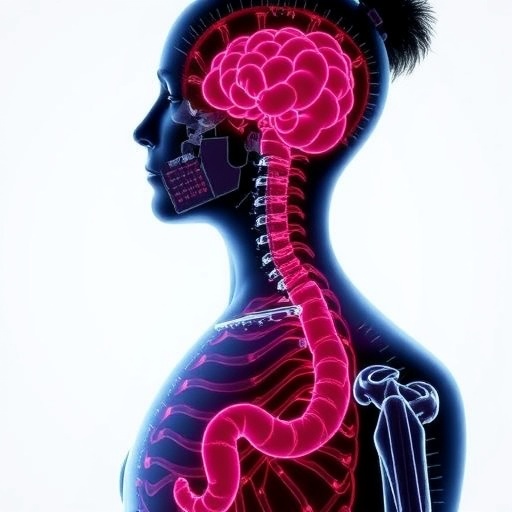
Recent research has unveiled groundbreaking insights into the intersection of traditional herbal medicine and modern nutritional science, particularly focusing on the role of the gut microbiota in mental health. A study conducted by Zhu, Hu, and Li in 2025 examines the effects of a traditional formula known as Sini San on depression symptoms through metabolic pathways that engage the gut microbiome. This comprehensive investigation not only underscores the benefits of herbal remedies but also spotlights the profound influence gut health has on psychological well-being.
Depression, a condition that afflicts millions globally, has long been linked with various physiological and psychological factors. However, the intricate relationship between the gut microbiota and brain chemistry has gained traction as a compelling area of exploration. The evidence suggests that the microbiome – a diverse community of microorganisms residing in our intestines – plays a pivotal role in the production and modulation of neurotransmitters that influence mood and emotional states. The research led by Zhu et al. takes this exploration a step further by presenting evidence that Sini San effectively alters gut microbiota structure, thereby impacting key metabolic functions related to mood regulation.
Sini San is a classic Chinese herbal formula used traditionally to treat various ailments, and its efficacy is now being evaluated through a contemporary scientific lens. This study is particularly relevant as it puts forth a hypothesis that traditional remedies can serve as effective adjuncts to modern treatment strategies for mental health disorders. The research outcomes indicate that when administered, Sini San not only alleviates symptoms of depression but also initiates measurable changes in the gut’s microbial composition, which is believed to contribute to overall mental wellness.
The modulation of Tryptophan metabolism is a critical focus of this study. Tryptophan, an essential amino acid, is a precursor to serotonin – a neurotransmitter often referred to as a “happiness hormone.” Zhu and colleagues have meticulously detailed how Sini San could facilitate the metabolism of Tryptophan, which in turn may enhance serotonin production. This interplay between diet, gut health, and mental health reinforces the necessity for a holistic approach to treatment, combining dietary interventions with psychological therapies to optimize patient outcomes.
Additionally, the study reveals how Sini San influences short-chain fatty acid (SCFA) levels within the gut. SCFAs are metabolic byproducts fermentative gut bacteria produce from dietary fibers, and they have been recognized for their anti-inflammatory properties and potential to improve gut barrier function. Increased levels of SCFAs have been associated with enhanced mood and reduced anxiety symptoms, suggesting that this herbal formula may not only impact mood directly through neurotransmitter modulation but also through secondary benefits that improve gut health.
Through a robust methodology that included a combination of animal studies and clinical trials, the researchers provided a comprehensive assessment of Sini San’s effects on subjects suffering from depression. Various measurement tools and scales were employed to determine changes in psychological state, alongside assessments of gut microbiota diversity and metabolic activity. The holistic nature of this approach allowed for a nuanced understanding of the interdependencies between diet, gut microbiota, and mental health.
The outcomes of this research may pave the path for future investigations geared toward harnessing the therapeutic potential of traditional knowledge. Traditional herbal remedies like Sini San could offer a natural and effective intervention for individuals seeking relief from depression. Moreover, the reduction of side effects associated with synthetic medications presents a compelling argument for integrating such treatments into the existing healthcare framework.
As the popularity of gut-brain axis research continues to grow, it is pivotal for the scientific community to explore further how modulation of gut microbiota can be leveraged in treating various psychological disorders. Beyond depression, future studies may reveal similar benefits for other mood-related conditions, thereby expanding the potential therapeutic applications of Sini San and similar herbal formulations.
The findings are timely, given the rising global rates of mental health disorders, and underscore the urgency of developing alternative treatment models. The convergence of traditional medicine with modern research methodologies represents an exciting frontier in health science, providing diverse strategies for improving mental health outcomes in the population.
In conclusion, the implications of Zhu et al.’s findings stretch beyond academic curiosity; they raise significant questions about how we approach mental health treatment in a holistic manner. By prioritizing gut health through natural remedies like Sini San, we may unlock new avenues for efficiently managing depressive symptoms while harnessing the body’s innate biological mechanisms. This study not only adds to the growing corpus of knowledge regarding the gut-brain connection but also champions a paradigm shift towards integrative health models that recognize the power of nature in healing.
Zhu, L., Hu, J., Li, J. et al. Sini San ameliorates symptoms of depression by modulating gut microbiota structure, Tryptophan metabolism, and short-chain fatty acid levels.
BMC Complement Med Ther (2025). https://doi.org/10.1186/s12906-025-05190-5
Cite Scienmag News
Morgan Morrow. (December 2, 2025). Sini San Alleviates Depression Through Gut Microbiota. Scienmag. https://scienmag.com/sini-san-alleviates-depression-through-gut-microbiota/
Morgan Morrow. "Sini San Alleviates Depression Through Gut Microbiota." Scienmag, 2 December 2025, https://scienmag.com/sini-san-alleviates-depression-through-gut-microbiota/. Accessed 4 September 2026.
Morgan Morrow. "Sini San Alleviates Depression Through Gut Microbiota." Scienmag. December 2, 2025. https://scienmag.com/sini-san-alleviates-depression-through-gut-microbiota/


