


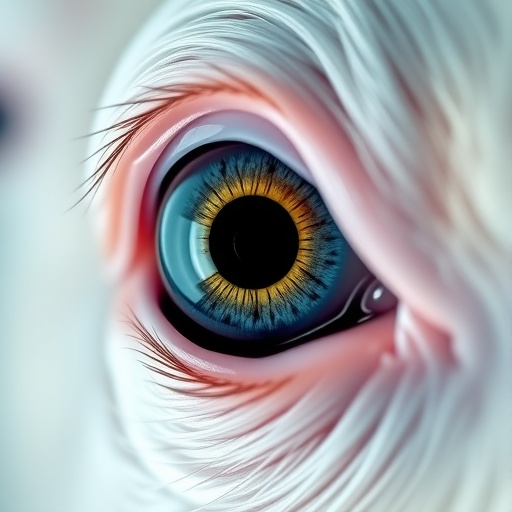
In a groundbreaking study that promises to reshape the understanding of ocular therapies, researchers have successfully demonstrated that therapeutic levels of hypothermia can be achieved in isolated porcine eyes utilizing a novel scleral contact interface. Led by a team of innovative scientists, including Nakamura Y., Mecacci L., and Hetling J.R., the work presents compelling evidence that lowering the temperature of ocular tissues can create a protective effect, opening up new avenues for the treatment of various eye conditions.
Hypothermia has long been known for its protective qualities in critical care settings, particularly in preserving tissues during surgery or mitigating damage from ischemia. However, the application of hypothermia in ophthalmic care had not been adequately explored until now. The researchers’ pioneering approach involves carefully designed experiments using isolated porcine eyes—an anatomical model that closely mirrors human ocular structures. This choice of model provides significant insights into the human eye’s responses to temperature modulation.
The scleral contact interface serves as a crucial tool in this innovative approach. By deploying this method, the researchers can effectively control the transfer of thermal energy to the ocular tissues while minimizing the risk of damaging other vital structures within the eye. This interface is not merely a passive tool; it actively facilitates the cooling of the eye, thus allowing for a nuanced approach to temperature management. The success of this technique raises profound questions about how temperature regulation can influence ocular health.
In the study, various cooling protocols were implemented, demonstrating different methodologies to induce hypothermic conditions. The results revealed that carefully controlled hypothermia resulted in significant cardioprotective advantages for the isolated porcine eyes. The researchers meticulously recorded changes in cellular activity and tissue integrity at various temperature decreases, highlighting the relationship between temperature exposure and metabolic rates within the ocular tissues.
Moreover, the research team examined key parameters such as intraocular pressure, cellular viability, and inflammatory responses to determine the implications of hypothermia in eye care. These parameters were systematically evaluated, illustrating both immediate and long-term effects on ocular health. Importantly, the study suggests that controlled hypothermia might reduce the risk of complications during surgeries and could even play a role in post-operative recovery.
Building upon prior knowledge, the implications of temperature management extend beyond merely preserving the integrity of the eye. The study also indicated potential therapeutic avenues for other conditions, such as age-related macular degeneration and diabetic retinopathy. Such findings support the notion that maintaining optimal thermal conditions could offer preventative solutions against degenerative processes in ocular health.
As the scientific community reflects on these findings, the potential for transforming traditional treatment protocols becomes apparent. The adoption of hypothermic treatments could represent a paradigm shift in how ocular diseases are approached in clinical settings. Clinicians may use lessons learned from this study to develop cooling strategies that are integrated into routine eye care practices, ultimately leading to improved patient outcomes.
The implications of achieving therapeutic hypothermia extend into various fields, including surgical practices, trauma care, and even post-operative management. The researchers emphasize that translating these findings into clinical practice will require additional studies, including larger trials to assess long-term effects and efficacy in human subjects. Their findings lay the groundwork for future inquiries that may develop into novel therapeutic interventions.
Furthermore, the ethical considerations of using animal models in research serve as a call for continuous dialogue within the scientific community. The choice to use porcine eyes highlights the necessity of balancing animal welfare with the pursuit of critical scientific advancements. The researchers assert that they adhere to strict ethical guidelines to ensure humane treatment and utilize all findings to benefit human health.
As the study continues to garner attention, the inherent curiosity surrounding innovative medical technologies invites further exploration. Methods like the scleral contact interface embody technology’s role in enhancing health care outcomes, driving the need for rigorous investigation into new tools that facilitate the exploration of previously untested hypotheses.
In conclusion, this research signifies a major step forward in ophthalmic therapeutics. The potential for hypothermia to protect and heal ocular tissues is astounding and opens discussions around developing novel treatment modalities. Researchers and clinicians alike must continue to collaborate, ensuring the results translate effectively into clinical practice for the betterment of patient care.
As new methodologies emerge from this groundwork, one can only imagine the future landscape of ocular therapies. The study encapsulates an intersection of technology and biology that could redefine how we understand and treat eye-related diseases, paving the way for a brighter future in the field of ophthalmology.
Nakamura, Y., Mecacci, L. & Hetling, J.R. Therapeutic Levels of Hypothermia Achieved in Isolated Porcine Eyes Using a Scleral Contact Interface.
Ann Biomed Eng (2025). https://doi.org/10.1007/s10439-025-03905-w
Cite Scienmag News
Ophelia Keating. (November 19, 2025). Therapeutic Hypothermia in Isolated Porcine Eyes Achieved. Scienmag. https://scienmag.com/therapeutic-hypothermia-in-isolated-porcine-eyes-achieved/
Ophelia Keating. "Therapeutic Hypothermia in Isolated Porcine Eyes Achieved." Scienmag, 19 November 2025, https://scienmag.com/therapeutic-hypothermia-in-isolated-porcine-eyes-achieved/. Accessed 31 August 2026.
Ophelia Keating. "Therapeutic Hypothermia in Isolated Porcine Eyes Achieved." Scienmag. November 19, 2025. https://scienmag.com/therapeutic-hypothermia-in-isolated-porcine-eyes-achieved/


