


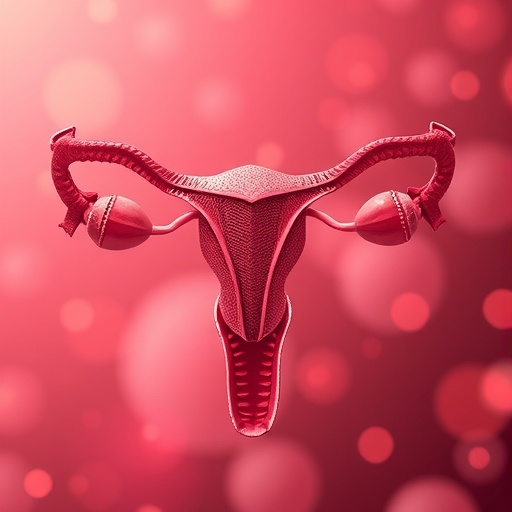
In a groundbreaking study that is set to reshape the understanding of reproductive health, researchers have delved deep into the intricate mechanisms of poor ovarian response by identifying specific biomarkers related to ferroptosis and mitochondrial metabolism. This exploration into the cellular processes underlying infertility highlights the potential for novel therapeutic strategies to enhance reproductive outcomes, particularly in women who struggle with low ovarian response during assisted reproductive technology (ART) procedures.
Ferroptosis, a form of regulated cell death characterized by iron-dependent lipid peroxidation, has recently emerged as a pivotal player in various cellular contexts, including reproductive biology. The current study illuminates how disruptions in ferroptosis can interfere with ovarian function, thereby contributing to the challenges faced by women experiencing poor ovarian response. By highlighting the relationship between ferroptosis and ovarian health, this research underscores a critical area for future investigations that may lead to improved treatment modalities.
Mitochondrial metabolism is another crucial aspect of ovarian function that the study successfully correlates with poor ovarian response. Mitochondria serve as the powerhouse of the cell, playing an essential role in energy production, reactive oxygen species management, and cellular signaling. The findings reveal that impaired mitochondrial metabolism is linked to dysregulated hormonal signals, ultimately impacting ovarian follicle development and oocyte quality. This connection sheds light on why some women experience challenges in conceiving, pointing researchers towards potential metabolic interventions to restore optimal ovarian function.
The implications of identifying these biomarkers extend beyond mere recognition; they open the door to innovative diagnostic tools and treatment strategies. For instance, by monitoring ferroptosis-related markers, clinicians may better predict which patients are at risk for poor ovarian response, enabling more personalized treatment plans. This proactive approach could include dietary interventions, targeted medications to modulate ferroptosis, or strategies to enhance mitochondrial function, such as lifestyle modifications and supplements.
Within the backdrop of increasing infertility rates globally, this research is particularly timely. The intricate relationship between environmental factors, lifestyle choices, and reproductive health continues to be a growing concern. The identification of biomarkers associated with ferroptosis and mitochondrial dysfunction offers a scientific basis for addressing lifestyle-related contributors to poor ovarian response. Consequently, women seeking to optimize their reproductive potential may benefit from tailored lifestyle interventions that align with these new findings.
Furthermore, the study highlights the importance of interdisciplinary research in advancing reproductive medicine. By incorporating insights from cellular biology, molecular genetics, and reproductive endocrinology, the authors create a more comprehensive picture of ovarian dysfunction. This collaborative approach fosters a deeper understanding of the multifactorial nature of infertility, encouraging ongoing dialogue and research across scientific disciplines.
As the research community grapples with the vast complexities of human reproduction, the contributions from Cai, Lin, and Yin et al. serve as a catalyst for future studies that may unravel additional mechanisms involved in ovarian health. Understanding how these pathways interact not only aids in developing novel diagnostics but also enhances existing therapeutic approaches that aim to improve ART success rates.
Moreover, given the increasing prevalence of age-related infertility, insights from this study may be invaluable for older women who often face a decline in ovarian reserve and quality. By pinpointing specific molecular targets, healthcare providers could implement interventions at earlier stages, potentially extending reproductive longevity for women who wish to conceive later in life.
The promising nature of these findings invites further research, aimed at exploring how these biomarkers interact with existing fertility treatments. Future studies could evaluate the efficacy of combining traditional ART practices with newly identified metabolic and ferroptotic interventions. Such an integrative strategy could significantly enhance the success rates of fertility treatments, offering renewed hope to those facing difficulties in conception.
In summary, the research conducted by Cai, Lin, and Yin et al. reveals a new frontier in understanding reproductive health by connecting ferroptosis and mitochondrial metabolism to poor ovarian response. As the scientific community continues to explore the implications of these findings, the potential for improved diagnostic and therapeutic strategies becomes increasingly apparent. This study serves as a reminder of the complexities of human reproduction and the persistent need for innovative solutions in addressing infertility.
As the landscape of reproductive health research evolves, attention will undoubtedly focus on the clinical applications of these findings. The pathways illuminated by this study may shape future guidelines and protocols for assessing ovarian health, treatment options, and patient education surrounding fertility. The hope remains that with each discovery, we craft a more detailed narrative of human reproduction—one that better equips women on their journeys toward conception.
Furthermore, this study acts as a clarion call for increased funding and support for reproductive health research. With the stakes high and the need urgent, prioritizing studies focused on metabolic health and cell death pathways could yield significant societal benefits. Advocating for research that addresses the complexities of infertility is paramount to ensuring that future generations have the information and resources to navigate their reproductive choices successfully.
Ultimately, as the medical community continues to embrace the insights gained from intersecting disciplines, the collective knowledge amassed could potentially transform the treatment landscape for women experiencing infertility challenges. Harnessing the power of metabolic and molecular pathways may someday lead to breakthroughs that not only improve ART outcomes but also empower women with actionable knowledge regarding their reproductive health.
In conclusion, the study by Cai, Lin, and Yin et al. stands on the precipice of a new age in reproductive medicine, illuminating previously uncharted territories and offering a beacon of hope for those navigating the complexities of infertility. The focus on ferroptosis and mitochondrial metabolism as critical factors in ovarian response represents a pivotal advancement, encouraging further exploration of the intricate dance between biology and reproductive health. As this research finds its place in the larger discourse surrounding infertility, it may well catalyze a revolution in how we understand and treat this pervasive issue.
Cai, Y., Lin, N., Yin, Y. et al. Identification of ferroptosis- and mitochondrial metabolism-related biomarkers and the potential molecular mechanisms of poor ovarian response.
J Ovarian Res 18, 260 (2025). https://doi.org/10.1186/s13048-025-01855-4
Cite Scienmag News
Ophelia Keating. (November 15, 2025). Unveiling Biomarkers and Mechanisms of Ovarian Response. Scienmag. https://scienmag.com/unveiling-biomarkers-and-mechanisms-of-ovarian-response/
Ophelia Keating. "Unveiling Biomarkers and Mechanisms of Ovarian Response." Scienmag, 15 November 2025, https://scienmag.com/unveiling-biomarkers-and-mechanisms-of-ovarian-response/. Accessed 1 September 2026.
Ophelia Keating. "Unveiling Biomarkers and Mechanisms of Ovarian Response." Scienmag. November 15, 2025. https://scienmag.com/unveiling-biomarkers-and-mechanisms-of-ovarian-response/


