


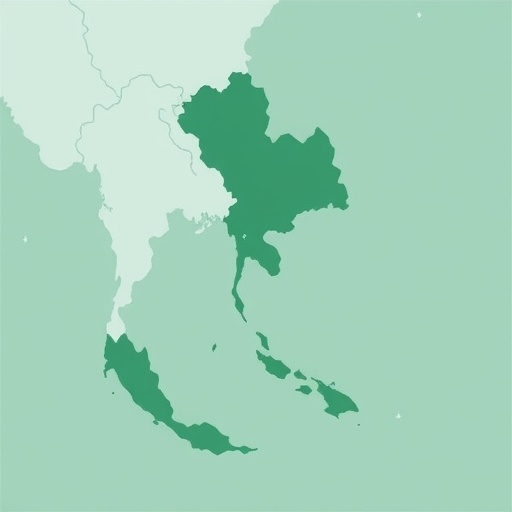
The ongoing discourse surrounding the circular economy within the context of food waste management has gained significant attention globally. In particular, a groundbreaking study conducted in Thailand has unveiled innovative strategies for integrating circular economy principles into the management of food waste. These strategies, derived from research conducted in shopping malls and communities, present a crucial roadmap for addressing the ever-increasing issues associated with food waste, not only in Thailand but around the world.
Food waste is a pervasive issue affecting environmental sustainability and economic stability. In Thailand, where the consumption of food occurs at an accelerated pace in various sectors including retail and hospitality, the ramifications of unprocessed food waste are becoming increasingly dire. As urbanization escalates, the outputs of food waste continue to rise, posing serious challenges for waste management systems. The need for a systematic approach to reduce waste is critical to enhancing sustainability.
The concept of a circular economy encourages the redesign of traditional linear models into more sustainable frameworks. Rather than viewing waste as a byproduct to be disposed of, a circular economy conceptualizes it as a resource that can be reused, recycled, or repurposed. This transformation in mindset is essential, particularly in densely populated areas where food waste volumes are significant.
Through the lens of circular economy practices, the study emphasizes collaboration among community members and local businesses as a pivotal factor in effective food waste management. By fostering partnerships between shopping malls and neighboring communities, a synergistic approach can be developed to mitigate food waste. The integration of local suppliers into mall supply chains was highlighted, paving the way for the diversion of surplus food to be utilized rather than discarded.
The research findings specifically illustrated how shopping malls can leverage their position as central community hubs to implement sustainable practices. Shopping malls, which act as significant consumption centers, can establish their own food waste recycling programs. These programs may include composting initiatives, donation channels for excess food, and educational programs that promote awareness about food waste and its environmental impacts.
Another fascinating aspect of this study is its focus on community engagement. Engaging community members in these initiatives not only raises awareness but also enhances participation in circular economy practices. Upcoming community events that promote food donation and recycling can further cultivate a sense of responsibility, enabling collective action towards food waste reduction.
Furthermore, the researchers emphasized the necessity for regulatory support to facilitate the successful implementation of circular economy frameworks in food waste management. Government policies that incentivize businesses to adopt sustainable practices can play a crucial role in fostering this transformation. By creating a supportive legislative environment, both businesses and consumers are further motivated to participate in food waste management efforts.
The study also draws attention to the importance of technological advancements in optimizing food waste management processes. Innovative tools, such as mobile applications that connect food donors with local shelters or composting service providers, possess the potential to streamline surplus food redistribution. Mobilizing technology can significantly enhance the efficiency and effectiveness of food waste diversion efforts.
Education emerges as a vital component in changing consumer behavior towards food waste. The authors of the study advocated for comprehensive education campaigns that inform both consumers and businesses about the implications of their food waste. Such educational efforts could include workshops, seminars, and digital content designed to equip stakeholders with actionable knowledge on reducing food waste in practical terms.
A critical takeaway from the research is the emphasis on data collection and analysis in food waste management strategies. By accumulating data on food waste generation patterns in shopping malls and communities, stakeholders can make informed decisions. This data-driven approach allows for the identification of key areas for intervention, facilitating the establishment of tailored programs aimed at reducing waste effectively.
In addition to economic benefits, integrating circular economy practices in food waste management also presents environmental advantages. By prolonging the lifecycle of food products through innovative waste management practices, greenhouse gas emissions associated with food decomposition can be significantly reduced. This environmental impact is particularly pertinent in light of global climate change challenges that threaten ecological balance.
The study’s insights are particularly prescient as countries worldwide grapple with food security issues. By rethinking food waste as a resource instead of a problem, communities can develop strategies that promote sustainability while simultaneously addressing food scarcity challenges. The principles gleaned from the Thai context can be replicated in various global settings, fostering a more sustainable future.
As the study concludes, it presents a clarion call for a collective shift towards adopting circular economy frameworks across multiple sectors. The benefits of integrating these practices into food waste management extend beyond mere waste reduction; they encapsulate broader societal impacts including enhancing community resilience, supporting economic development, and promoting environmental stewardship.
In the face of pressing global environmental challenges, the integration of circular economy principles into food waste management systems represents a beacon of hope. The study serves as a reminder that proactive, collaborative, and innovative approaches are not only viable but necessary for building sustainable and resilient communities around the globe.
Pongpunpurt, P., Chawaloesphonsiya, N., Rungsithong, R. et al. Integrating circular economy in food waste management: insights from Thailand’s shopping mall and community.
Environ Sci Pollut Res (2025). https://doi.org/10.1007/s11356-025-37197-3
Cite Scienmag News
Sloane Callahan. (November 14, 2025). Circular Economy Strategies for Food Waste in Thailand. Scienmag. https://scienmag.com/circular-economy-strategies-for-food-waste-in-thailand/
Sloane Callahan. "Circular Economy Strategies for Food Waste in Thailand." Scienmag, 14 November 2025, https://scienmag.com/circular-economy-strategies-for-food-waste-in-thailand/. Accessed 1 September 2026.
Sloane Callahan. "Circular Economy Strategies for Food Waste in Thailand." Scienmag. November 14, 2025. https://scienmag.com/circular-economy-strategies-for-food-waste-in-thailand/


