


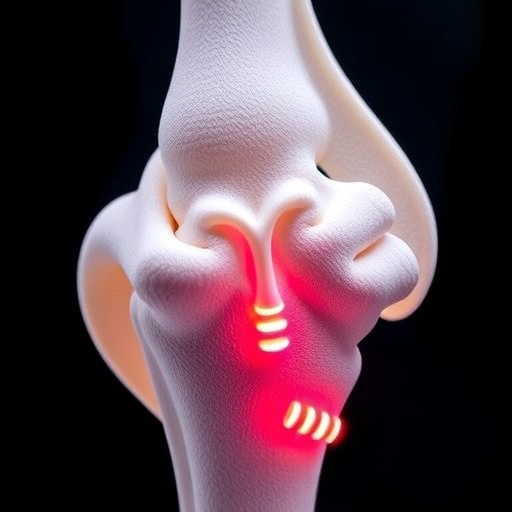
In the rapidly evolving realm of biomedical engineering, 4D printing is emerging as a groundbreaking technology that promises to revolutionize orthopedic repair and reconstruction. Unlike traditional 3D printing, 4D printing incorporates the dimension of time, allowing materials to change their shapes or properties in response to specific stimuli. This transformative capability is paving the way for personalized medical treatments that adapt dynamically to the human body’s complex needs, particularly in bone repair and drug delivery systems.
At the core of 4D printing’s potential in orthopedics is the use of smart materials — engineered compounds that respond intelligently over time to environmental changes such as temperature, moisture, or biological signals. These materials can deform, self-assemble, or self-heal, enabling the creation of implants and scaffolds that precisely match a patient’s anatomy and physiological conditions. Such precision marks a fundamental shift from conventional implants, which often result in suboptimal fit and require secondary surgeries.
The technology’s ability to fabricate bionic scaffolds plays a pivotal role in bone regeneration. These scaffolds act as temporary frameworks providing mechanical support while simultaneously promoting cell adhesion, proliferation, and differentiation. By mimicking the natural extracellular matrix, 4D printed scaffolds facilitate osteogenesis more effectively than traditional methods, ultimately accelerating the healing process. Their shape-shifting properties allow surgeons to deploy compact structures that expand or mold to the defect site, minimizing invasiveness during implantation.
Personalized orthopedic implants developed through 4D printing are tailored according to patients’ unique bone geometries, biomechanical requirements, and healing trajectories. This customization not only enhances the implant’s performance but also reduces the risks of rejection and postoperative complications. Furthermore, adaptive implants can respond to physiological changes, adjusting stiffness or porosity over time, which supports natural bone remodeling and recovery in an unprecedented way.
Beyond structural repair, 4D printing is revolutionizing targeted drug delivery within orthopedic applications. Implants embedded with smart carriers can release therapeutic agents selectively, controlled by external stimuli or internal biological cues. This targeted approach ensures that drugs act precisely at the site of injury, mitigating systemic side effects and improving overall treatment efficacy. Such platforms can deliver antibiotics, growth factors, or anti-inflammatory compounds directly to affected areas, thereby complementing physical repair with biochemical support.
The integration of 4D printing into clinical practice, however, necessitates multidisciplinary collaboration among material scientists, bioengineers, and clinicians. Understanding the complex interplay between smart material behavior and biological systems is critical to optimizing implant design and function. These collaborative efforts are also essential for overcoming regulatory challenges and ensuring that safety and ethical standards keep pace with technological advancement.
From a materials perspective, researchers are exploring diverse classes of stimuli-responsive polymers, hydrogels, and composites that vary in degradation rates and mechanical properties. The tunability of these materials underpins their ability to perform multifunctional roles such as load-bearing, drug encapsulation, and environmental responsiveness. Innovations in bioink formulations and printing resolutions further contribute to fabricating complex architectures capable of replicating natural bone microenvironments.
Another promising avenue enabled by 4D printing is the creation of dynamic fixation devices for the stabilization of fractures. Unlike rigid plates and screws, these devices can adapt their mechanical properties over time to provide optimal support during different healing stages. Such adaptability reduces stress-shielding effects, encouraging natural bone loading and remodeling, which ultimately enhances recovery outcomes.
The scalability and potential cost-effectiveness of 4D printing are additional factors that may accelerate its adoption in orthopedic medicine. By streamlining the manufacturing process and improving customization, healthcare systems may reduce operative times, revision surgeries, and associated healthcare costs. The technology’s versatility also promises extensions beyond orthopedics, potentially transforming soft tissue engineering, dentistry, and even neurology.
While still in the developmental phase, early clinical trials and preclinical studies demonstrate encouraging results regarding biocompatibility, functional performance, and patient outcomes. These findings fuel optimism that 4D printed devices will soon move from experimental settings to widespread clinical use, offering patients bespoke solutions tailored not just anatomically but functionally over time.
Ethical considerations also arise as 4D printing enables personalized implants with embedded drug delivery systems. Issues surrounding data privacy, long-term monitoring, and patient consent for adaptive medical devices highlight the need for comprehensive frameworks guiding the implementation of such advanced technologies.
In conclusion, 4D printing heralds a new age in orthopedic repair that extends well beyond static implants. Its ability to integrate time-responsive smart materials with personalized design and controlled therapeutics offers a powerful toolkit for enhancing bone healing, improving clinical outcomes, and reducing patient burden. As research continues to advance, this technology is poised to redefine standards in orthopedic care, delivering innovative solutions that marry engineering precision with biological complexity.
Cite Scienmag News
Ophelia Keating. (April 15, 2025). 4D Printing Revolutionizes Orthopedic Repair and Therapy. Scienmag. https://scienmag.com/4d-printing-revolutionizes-orthopedic-repair-and-therapy/
Ophelia Keating. "4D Printing Revolutionizes Orthopedic Repair and Therapy." Scienmag, 15 April 2025, https://scienmag.com/4d-printing-revolutionizes-orthopedic-repair-and-therapy/. Accessed 4 September 2026.
Ophelia Keating. "4D Printing Revolutionizes Orthopedic Repair and Therapy." Scienmag. April 15, 2025. https://scienmag.com/4d-printing-revolutionizes-orthopedic-repair-and-therapy/


