

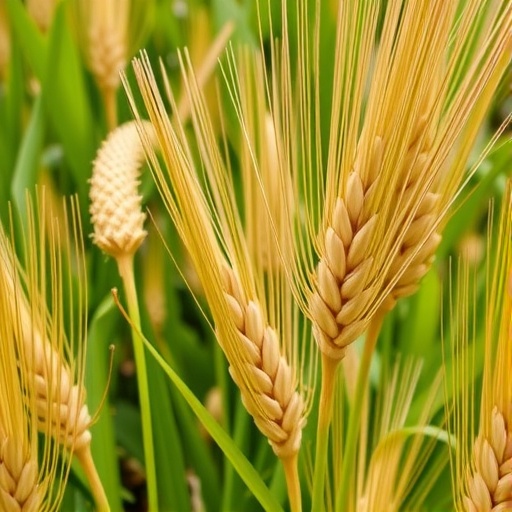
In recent years, the agricultural sector has been facing numerous challenges, one of the most pressing being the nutritional deficiency found in crops, particularly in staple foods like wheat. A groundbreaking study conducted by Saleem, Al-Juhani, and Khan aims to combat this issue through the innovative use of zinc oxide nanoparticles (ZnO-NPs). This study meticulously investigates the functionalization of ZnO-NPs with Alizarin red S and zinc solubilizing bacteria (ZSB) to significantly enhance zinc fortification in wheat, scientifically known as Triticum aestivum. The findings of this research offer promising strategies not just for improving crop quality, but also for addressing public health concerns regarding micronutrient deficiencies.
Zinc is an essential micronutrient that plays a pivotal role in various physiological functions of plants, including enzyme activation, photosynthesis, and growth regulation. However, many soils worldwide suffer from zinc deficiency, which directly impacts crop yield and nutritional value. The utilization of ZnO-NPs presents an innovative approach to effectively deliver this crucial micronutrient to plants. Their nanoscale size allows for greater surface area and reactivity, facilitating their uptake by plants in a more efficient manner compared to traditional zinc fertilizers.
Furthermore, the study focuses on the functionalization of ZnO-NPs with Alizarin red S. This dual-functional approach not only enhances the solubility of zinc but also provides a dye that contributes to the visual tracking of Zn uptake in plants. By combining these two elements, the researchers are setting a new paradigm in the method of applying essential micronutrients which, as previous studies have suggested, could lead to better absorption rates and subsequent improvements in crop health.
In addition to Alizarin red S, the inclusion of Zn solubilizing bacteria (ZSB) further accentuates the potential of the ZnO-NPs in the nutritional fortification of wheat. ZSB are a group of beneficial microorganisms that can solubilize zinc from unavailable forms in the soil, enhancing its bioavailability to plants. When used in conjunction with functionalized ZnO-NPs, these bacteria could synergistically improve the zinc uptake in plants and potentially lead to higher yields and improved crop quality.
The meticulous study conducted by the authors directly evaluates the influence of these ZnO-NPs on both the plants and the ZSB. Through a series of controlled experiments that benchmark the effectiveness of the various treatments, the research provides concrete evidence of the potential benefits that such an integrated approach can offer. By analyzing both the uptake of zinc in wheat and the activity levels of the ZSB, the researchers draw compelling conclusions about the practicality of utilizing functionalized ZnO-NPs in modern agricultural practices.
The implications of this research extend far beyond just enhancing wheat crops; they open the door to broader applications within the realm of food security. As global populations continue to rise and arable land diminishes, the ability to efficiently enhance the nutritional value of essential crops is of paramount importance. By addressing zinc deficiencies, this research not only contributes to better crop resilience but also plays a crucial role in combating malnutrition in populations that rely heavily on wheat as a dietary staple.
Looking forward, the authors of this study emphasize the need for further research into the long-term effects of such nanoparticle applications in agriculture. While early results are promising, establishing clear guidelines for practical usage, safety, and environmental impacts will be integral to mainstream adoption. Researchers, agronomists, and policymakers alike must collaborate to explore the possibilities and limitations of nanoparticle technology in achieving sustainable agricultural practices.
Moreover, the intersection of molecular biology and nanotechnology as illustrated in this research could serve as a springboard for future innovations designed to improve crop resilience against biotic and abiotic stresses. As climate change continues to loom over agricultural landscapes, such advancements could be key in ensuring that crops like wheat remain viable options for food production and nutritional sustenance in the decades to come.
In conclusion, the research by Saleem, Al-Juhani, and Khan heralds a new chapter in the quest for better agricultural practices. By embracing the potential of functionalized ZnO-NPs, farmers could unlock a new level of crop fortification that not only increases yields but also enhances the nutritional quality of the food they produce. This innovative approach symbolizes the merger of traditional agronomical practices with cutting-edge scientific research, setting a commendable precedent for future endeavors aimed at addressing the multifaceted challenges of modern agriculture.
As the study concludes, it is clear that these advancements could pave the way for a future where sustainable, nutritious food production is within reach. With agricultural innovation at the forefront, solutions such as those explored in this comprehensive study may ultimately lead to a safer, healthier, and more sustainable world.
Subject of Research: The use of ZnO-NPs functionalized with Alizarin red S and Zn solubilizing bacteria for zinc fortification of wheat.
Article Title: A comprehensive study evaluating the use of ZnO-NPs by functionalizing with Alizarin red S and Zn solubilizing bacteria for Zn fortification of Triticum aestivum, influence of ZnO NPs on ZSB.
Article References:
Saleem, S., Al-Juhani, R.A., Khan, M. et al. A comprehensive study evaluating the use of ZnO-NPs by functionalizing with Alizarin red S and Zn solubilizing bacteria for Zn fortification of Triticum aestivum, influence of ZnO NPs on ZSB.
3 Biotech 16, 50 (2026). https://doi.org/10.1007/s13205-025-04606-w
Image Credits: AI Generated
DOI: https://doi.org/10.1007/s13205-025-04606-w
Keywords: Zinc, nanoparticles, zinc oxide, functionalization, wheat fortification, agricultural innovation.


