

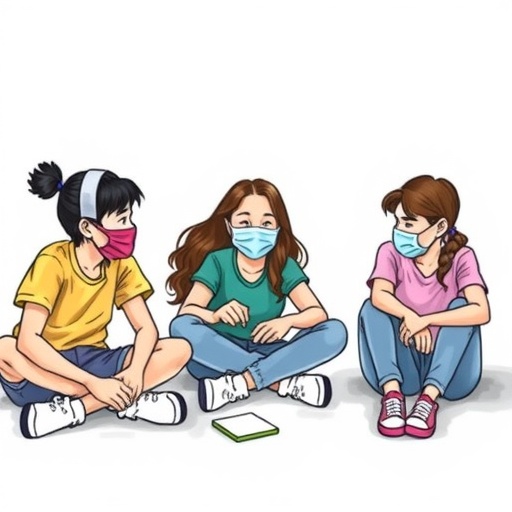
The COVID-19 pandemic has drawn attention to various aspects of daily life, impacting mental health and lifestyle choices globally. One of the most significant findings of recent research highlights the crucial role that leisure activities play in the mental well-being of youth during these unprecedented times. A systematic review conducted by researchers Freire, Pereira, and Vieira delves deeply into how leisure pursuits among young people during the pandemic correlate with their mental health outcomes. This investigation sheds light on the intricate relationship between free time activities and psychological resilience.
In the face of lockdowns and social distancing, young individuals found themselves navigating an altered social landscape. Suddenly, traditional avenues for youth interaction, such as sports, concerts, and social gatherings, were either severely restricted or completely eliminated. This abrupt shift necessitated creativity in finding new forms of leisure. The review provides valuable insights into the types of activities youth engaged in to substitute for their usual routines and how these choices influenced their psychological states.
The systematic review synthesized data from multiple studies analyzing the mental health effects of leisure activities during the pandemic. Researchers highlighted how critical leisure time was for young people’s emotional regulation. Activities such as art, music, reading, and even digital gaming emerged as not just substitutes for lost social interactions but as comforting outlets that allowed young people to process their experiences. This finding underscores the necessity of promoting healthy leisure choices, especially in times of crisis.
Interestingly, the review also explored the dichotomy of digital versus physical leisure activities. With many traditional pastimes unavailable, technology-related activities surged in popularity. Social media and video conferencing platforms became the primary mode of connection for peers. While these digital pursuits helped maintain social ties, the research reveals a nuanced picture. Excessive screen time was linked to various negative mental health outcomes, including anxiety and depression. Recognizing the balance between beneficial and detrimental tech-based activities is crucial in guiding youth towards healthier habits.
Equally noteworthy is the review’s focus on the variance of leisure impact across different demographics. Factors such as socioeconomic status, access to resources, and previous mental health conditions significantly influenced how youth adapted their leisure pursuits. For example, young individuals from lower socioeconomic backgrounds faced greater challenges in accessing resources for engaging activities and therefore showed a stronger correlation between limited leisure options and deteriorating mental health. This disparity highlights the need for targeted interventions that consider individual circumstance, ensuring equitable access to leisure opportunities.
Moreover, the results indicate that not all leisure activities yield equivalent benefits for mental well-being. Passive activities like binge-watching TV shows provided temporary escapism but did not significantly enhance mental health in contrast to more active pursuits such as exercise or creative hobbies. Physical activity emerged as a particularly strong predictor of improved mood and reduced stress levels, reinforcing existing literature on the positive influence of exercise on psychological health. Encouraging regular physical engagement could be a simple yet powerful strategy in promoting youth mental health.
The review also shed light on unique leisure trends that emerged during the pandemic. Activities such as gardening, baking, and DIY projects gained traction, suggesting a shift towards home-based hobbies that foster creativity and productivity. The psychological benefits associated with engaging in tangible, constructive activities contributed to a sense of accomplishment and control amid the uncertainty of the pandemic. This trend reflects a broader cultural shift where the value of self-care and mindfulness is increasingly recognized in the context of well-being.
In the context of education, the research points to the importance of integrating leisure activities into school programs and mental health initiatives. During the pandemic, educational institutions faced numerous challenges, but those that adapted by incorporating leisure-based interventions noticed positive outcomes among students. Schools could play a pivotal role in fostering environments where leisure is encouraged, equipping students with coping mechanisms that extend beyond the pandemic.
Mental health practitioners also benefit from insights drawn from the review. Understanding the specific leisure activities that contribute positively to youth mental health can help therapists and counselors recommend tailored approaches for their clients. This proactive stance underscores the need for mental health resources that embrace leisure as an integral part of treatment plans, promoting holistic approaches to mental well-being.
The implications of these findings extend beyond youth mental health; they prompt reflections on the broader societal structure and support systems in place for families. Building community resources that facilitate accessible leisure options for youth can enhance not only individual well-being but also community resilience. In times of crisis, fostering connections through shared leisure could act as a protective factor for families and communities alike.
As we move towards a post-pandemic world, the insights gleaned from this systematic review remain critical. They provide a blueprint for developing practices that prioritize mental health through leisure. Policymakers and community leaders can harness these findings to advocate for programs and initiatives that support youth in finding and engaging in healthy leisure pursuits.
Ultimately, Freire, Pereira, and Vieira’s research serves as a reminder of the importance of leisure in our lives, particularly during challenging times. The activities we choose during our leisure hours can significantly impact our mental health, emphasizing the need for society to recognize and promote healthy leisure habits among youth. As we rebuild and look forward to the future, fostering a culture of fulfilling leisure can play an essential role in supporting the mental well-being of our young population.
The pandemic has prompted a unique examination of how leisure shapes mental health, offering pathways for improved understanding and support for future generations. From this ongoing exploration of youth leisure choices, we may continue to discover not only the therapeutic value of recreation but also the inherent vitality it brings to the human experience. By placing value on leisure, society can further enhance the psychological resilience of its youth, creating healthier, happier communities.
Subject of Research: Youth leisure during the COVID-19 pandemic and its impact on mental health.
Article Title: Youth Leisure during the Covid-19 Pandemic and Relations with Mental Health: A Systematic Review.
Article References: Freire, T., Pereira, T. & Vieira, D. Youth Leisure during the Covid-19 Pandemic and Relations with Mental Health: A Systematic Review. J Child Fam Stud (2026). https://doi.org/10.1007/s10826-025-03247-0
Image Credits: AI Generated
DOI: https://doi.org/10.1007/s10826-025-03247-0
Keywords: Youth, leisure, COVID-19, mental health, systematic review.


