

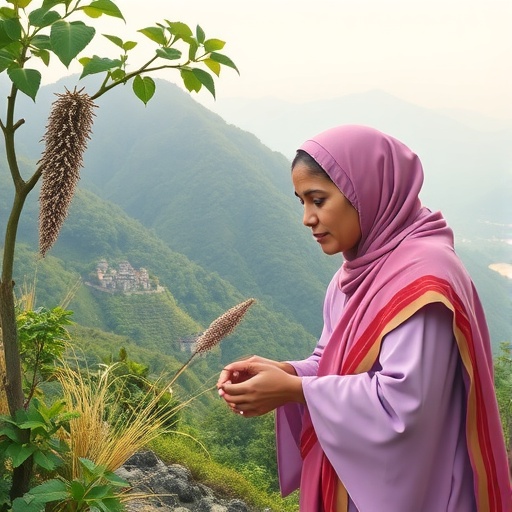
The convergence of traditional medicine (TM) and modern medicine (MM) represents one of the most compelling frontiers in global healthcare innovation. Traditional medicine, as defined by the World Health Organization, encompasses indigenous knowledge and practices rooted in ancient theories and cultural heritage. It remains the primary source of healthcare for over 80% of the world’s population, especially in regions such as Asia, Africa, and Latin America. Despite its widespread use, the integration of TM with MM—which is grounded in the biomedical model and excels particularly in acute and emergency care—presents a multilayered challenge involving epistemological divides, regulatory inconsistencies, and methodological discordances. However, the potential synergy between these two paradigms could revolutionize patient care by creating holistic, culturally sensitive, and patient-centered treatment models.
Asia stands out as a pioneering region in the institutionalization and state-led integration of TM and MM. India’s AYUSH system, which includes Ayurveda, Yoga, Unani, Siddha, and Homeopathy, exemplifies a comprehensive inclusion of TM into public health infrastructure, boasting over 750,000 practitioners and thousands of integrated health facilities. Meanwhile, China’s dual system of Traditional Chinese Medicine (TCM) and biomedicine exists parallelly, though fully optimized integration remains elusive, partly due to systemic inertia and entrenched biomedical dominance. South Korea and Japan have similarly advanced dual healthcare frameworks, with TM practices often covered by national health insurance, thus ensuring both accessibility and legitimacy. In Southeast Asia, countries like Thailand and Bhutan have taken deliberate steps to embed traditional healing modalities within government-supported health systems.
In Africa, traditional medicine’s role is arguably more pronounced, with up to 80% of the population depending on indigenous medical practices. Recent decades have witnessed notable progress in formalizing TM through regulatory frameworks and academic research centers across nations such as South Africa, Ghana, and Nigeria. The World Health Organization’s African Region reported an impressive increase from 8 member states with TM policies in 2000 to 40 by 2020, signaling growing institutional recognition. However, despite policy advancements, enforcement challenges persist, as do gaps in standardization, safety monitoring, and practitioner certification. Collaborative research initiatives and training programs serve as positive indicators but are currently insufficient to close regulatory and quality control gaps comprehensively.
Europe presents a heterogeneous landscape with integration often characterized by its complementary and alternative medicine (CAM) orientation. Countries like Germany report up to 40% adult usage of CAM modalities, while Switzerland has incorporated complementary treatments into its basic health insurance package. The United Kingdom’s Royal London Hospital for Integrated Medicine exemplifies clinical integration by offering various non-conventional therapies alongside biomedicine. Nonetheless, tension remains regarding scientific validation standards and regulatory discrepancies, undermining broader acceptance of TM-derived practices within the continent’s predominantly biomedical healthcare systems.
In North America, integration trends primarily manifest through consumer-driven CAM usage and the gradual institutional adoption of select traditional modalities in academic and clinical settings. In the United States, nearly half of adults were found to use at least one complementary therapy in 2019, representing a significant cultural shift. Spending on CAM approaches exceeded $30 billion in 2012, evidencing economic impact alongside patient demand. Leading academic entities like Harvard University’s Osher Center for Integrative Medicine spearhead research efforts and clinically integrate TM practices. Canada also showcases progressive steps by incorporating Indigenous traditional healing frameworks into medical education, highlighting the evolving recognition of cultural competency in health services.
Latin America and the Caribbean, home to over 400 million traditional medicine users, exhibit significant formal integration through national public health programs, especially in countries such as Cuba and Brazil. These nations support practices like acupuncture, homeopathy, and phytotherapy via government endorsement and institutional inclusion, producing a robust framework for dual-system healthcare. Financial investment in the sector is substantial, with annual spending estimated at $3 billion, reinforcing traditional medicine’s entrenched societal role. Despite successes, ongoing challenges involve research rigor, regulation, and cultural preservation amid evolving healthcare demands.
The Middle East region demonstrates widespread use of complementary and alternative medicine, with reported usage rates between 45.9% and 85.9%. Countries including Saudi Arabia, Jordan, and Iran have initiated exploratory programs integrating traditional modalities into oncological care and medical education reforms. Practical efforts focus on supportive, multidisciplinary care models that bridge cultural health practices with modern therapeutic protocols, although systematic national frameworks are still nascent and unevenly implemented.
Oceania presents a unique integration paradigm emphasizing indigenous healing systems, notably Aboriginal bush medicine in Australia and Rongoā Māori in New Zealand. Both countries recognize these traditional methods in national health plans, reflecting deliberate cultural and political commitments to inclusivity. Approximately 70% of the population in these regions engages with CAM practices, underscoring significant demand. The challenge remains harmonizing indigenous healing philosophies with biomedical standards without undermining historic knowledge systems or cultural autonomy.
The pathway to meaningful integration of TM and MM is beset by formidable challenges. Central to these are epistemological divergences: TM’s holistic, system-based approaches often clash with MM’s reductionist, disease-centric methodologies. This discord is mirrored in research paradigms, where randomized controlled trials—gold standards in MM—may inadequately capture the complexity of traditional multi-component interventions. Moreover, issues including lack of standardization, quality control deficiencies, herb-drug interactions compounded by weak pharmacovigilance, and fragmented regulatory frameworks obstruct effective amalgamation. Intellectual property rights and concerns over biopiracy further complicate collaboration, particularly when traditional knowledge is commercialized without equitable benefit-sharing. Social acceptance is also uneven, with systemic biases and marginalization persisting in global health governance. Education and professional resistance—often due to gaps in formal research training among traditional practitioners—impede consensus-building. Finally, translational gaps limit the incorporation of existing TM evidence into routine clinical practice, stymying patient access to integrated approaches.
Addressing this multifactorial complexity demands a strategic, coordinated global roadmap. Leading initiatives such as the World Health Organization’s Global Centre for Traditional Medicine (GCTM), established in India, symbolize institutional efforts to reconcile ancient wisdom with contemporary scientific rigor. Augmenting research funding with interdisciplinary review panels that respect diverse epistemologies will advance evidence generation and acceptance. Education reforms must embed traditional medicine content and research training into both TM and conventional medical curricula to cultivate mutual understanding and expertise. Embracing methodological pluralism—incorporating pragmatic trials, n-of-1 study designs, and real-world evidence alongside conventional RCTs—will provide a more viable evidence base for TM.
Regulatory harmonization across jurisdictions is essential for ensuring safety, efficacy, and quality control of TM interventions, alongside establishing sui generis intellectual property protections and equitable benefit-sharing mechanisms. Community engagement grounded in cultural respect can galvanize acceptance and adherence, while clinical integration efforts should aim for embedding TM within clinical guidelines, electronic health records, and multidisciplinary healthcare teams. Encouraging open science practices and implementation research will help translate scientific findings into practice improvements, fostering evidence-based, culturally responsive healthcare for diverse populations.
The future of global health hinges on overcoming entrenched divides that silo TM and MM. This integration offers an unprecedented opportunity to develop truly holistic healthcare models that respect patient values, cultural contexts, and scientific rigor. Achieving this vision requires sustained institutional support, robust research infrastructures, ethical partnerships, and open dialogue that valorizes both traditional wisdom and modern biomedical advances. With these concerted efforts, the transformation of health governance can enhance equity, accessibility, and outcomes worldwide, heralding a new era of integrative medicine that genuinely serves humanity in all its diversity.
Subject of Research: Integration of Traditional and Modern Medicine
Article Title: Global Trends in the Integration of Traditional and Modern Medicine: Challenges and Opportunities
News Publication Date: 10-Dec-2025
Web References:
Image Credits: Deepika Srivastava
Keywords: Traditional Medicine, Modern Medicine, Integrative Medicine, Complementary and Alternative Medicine, Global Health, Methodological Pluralism, Regulatory Harmonization, Epistemological Challenges


