

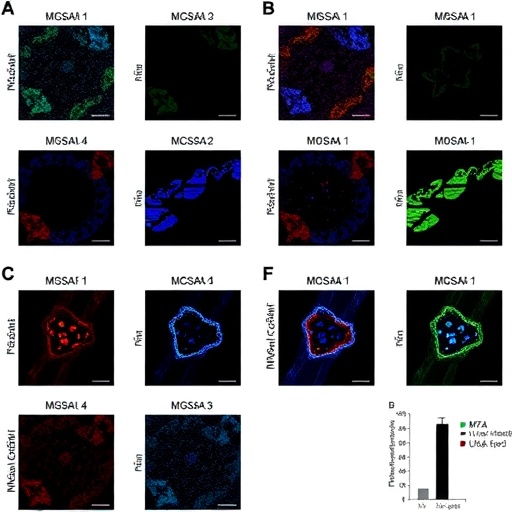
In a groundbreaking study, researchers have revealed that MMSA-1, a lesser-known protein, plays a crucial role in the progression and invasion of multiple myeloma, a type of blood cancer characterized by the uncontrolled proliferation of plasma cells in the bone marrow. The research, spearheaded by a team led by Meng, Liu, and Gu, unveils how MMSA-1 is regulated by the Wnt/TCF4 signaling pathway, a pivotal route that often influences cellular functions such as proliferation, differentiation, and migration. This finding sheds new light on potential therapeutic targets in the relentless battle against multiple myeloma, an ailment that continues to challenge oncologists worldwide.
MMSA-1’s significance stems from its interactive relationship with the Wnt/TCF4 signaling pathway, a well-documented pathway known for its involvement in developmental processes and its aberration in various cancers. It has been established that Wnt/TCF4 influences cellular signaling cascades and gene expression, thereby dictating the fate of numerous cell types. Researchers have long suspected that this pathway might also intersect with pathways responsible for tumor progression. The new insights confirm that MMSA-1 is a downstream effector of Wnt/TCF4, driving further investigation into the mechanics behind its regulatory power.
The study employed various advanced methodologies, including RNA sequencing and co-immunoprecipitation assays, to dissect the functional implications of MMSA-1 in multiple myeloma cells. The high-throughput sequencing results highlighted the differential expression patterns of genes linked to cell survival and migration when MMSA-1 expression was altered. This was corroborated by in vitro assays that demonstrated enhanced migratory capabilities of myeloma cells overexpressing MMSA-1, suggesting its involvement in metastatic behavior.
Furthermore, the researchers integrated an analysis of the RAS/RAF pathway, another vital signaling cascade linked to cell growth and survival. Their results indicated that MMSA-1 not only operates under the Wnt/TCF4 umbrella but also plays a part in cross-communication with the RAS/RAF signaling axis. This convergence opens avenues for multipronged therapeutic strategies that can simultaneously target multiple pathways involved in tumorigenesis. The implications of these interactions are profound, marking a potential shift in treatment paradigms for patients diagnosed with this formidable disease.
An exploration into the mechanistic roles of MMSA-1 revealed that its expression level is significantly correlated with aggressive tumor characteristics in multiple myeloma. High MMSA-1 levels were detected in patient-derived samples, underscoring its potential as a biomarker for disease prognosis. The link between MMSA-1 expression and disease aggressiveness posits that this molecule could serve not only as a therapeutic target but also as a valuable prognostic tool for clinicians assessing disease severity.
The researchers also posited that understanding the interplay between MMSA-1 and the Wnt/TCF4 signaling pathway could lead to the discovery of novel inhibitors. Such inhibitors could be designed to specifically interrupt MMSA-1’s interaction with these pathways, successfully inhibiting tumor growth and spread. This compartmentalized targeting minimizes collateral damage to healthy cells, which is a significant concern in broad-spectrum cancer therapies.
While the study has provided a wealth of data supporting the role of MMSA-1, it also raises questions regarding the potential existence of other regulatory mechanisms that could modulate its function. The complexity of cancer signaling underscores the necessity for continued exploration into the pathways affecting MMSA-1. Further downstream targets and feedback mechanisms in the RAS/RAF signaling pathway, for instance, are critical to fully appreciate how these systems interact with MMSA-1.
As the research community dives deeper into the molecular intricacies surrounding MMSA-1, potential collaboration with pharmaceutical companies becomes increasingly vital. The quest for innovative drug design strategies targeting MMSA-1 can lead to clinical applications. Trials involving the newly proposed MMSA-1 inhibitors can assess their efficacy in positively changing disease trajectories for those afflicted with multiple myeloma.
This study aligns with the growing trend of personalized medicine, advocating for a treatment approach informed by the unique molecular makeup of each patient’s tumor. By elucidating the pathways in which MMSA-1 is involved, clinicians could personalize treatment regimens based on predicted tumor responses, significantly enhancing patient outcomes. Achieving such precision in cancer treatment signifies a transformative step forward in oncology.
The future of myeloma treatment appears promising, informed by the understanding and targeting of molecular players such as MMSA-1. This opens new doors for hope not only among researchers focused on the mechanics of cancer but also for patients seeking more effective therapeutic options in their fight against this relentless disease. The research heralds a call to action for further investigations that will refine existing treatment protocols while fostering the development of innovative therapeutic strategies.
In summary, the discovery of MMSA-1’s regulatory role in myeloma progression and its interaction with established signaling pathways highlights the complex web of cellular communication that orchestrates cancer development. This revolutionary insight into MMSA-1’s function emphasizes the importance of targeting intricate cancer pathways in the quest for effective and reliable treatment options. The journey to unravel the full potential of MMSA-1 is just beginning, with immense opportunities for advancing our understanding of multiple myeloma and improving patient outcomes.
With this revelation, the field of cancer research gears up for a new chapter in understanding how even the most subtle molecular players can dictate the course of complex diseases like multiple myeloma. As scientists continue to explore the depths of cellular interaction and signaling, the hope remains that these insights will translate into actionable strategies that can alter the landscape of cancer treatment and improve the lives of millions.
Subject of Research: Regulation of MMSA-1 in multiple myeloma
Article Title: MMSA-1 is regulated by Wnt/TCF4 and involved in multiple myeloma progression and invasion via RAS/RAF signaling pathway.
Article References:
Meng, S., Liu, H., Gu, L. et al. MMSA-1 is regulated by Wnt/TCF4 and involved in multiple myeloma progression and invasion via RAS/RAF signaling pathway.
Ann Hematol 105, 11 (2026). https://doi.org/10.1007/s00277-026-06740-8
Image Credits: AI Generated
DOI: https://doi.org/10.1007/s00277-026-06740-8
Keywords: Multiple myeloma, MMSA-1, Wnt/TCF4, RAS/RAF signaling, cancer progression, tumor invasion, prognostic biomarker, personalized medicine.


