

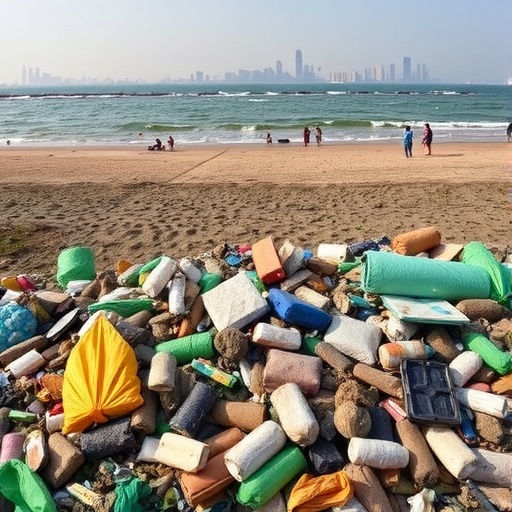
In an era where environmental sustainability has become an imperative rather than an option, addressing waste management is crucial, especially in urban regions. Recently, researchers including Hassan, M.K., Memon, A.G., and Channa, I.A. conducted a pioneering study focusing on waste characterization in Karachi’s District East. Their insights not only shed light on the current state of waste generation but also explore pathways to achieve a circular resource management system. This research, slated for publication in Discov Sustain in 2026, promises to provide vital data for environmental policy-makers and urban planners.
The backdrop of this research is Karachi, one of the largest cities in the world, grappling with severe environmental challenges. With a rapidly growing population, the demand for resources continues to escalate, leading to an increase in waste generation. According to various estimates, urban waste in Karachi has reached alarming levels, adversely impacting both the environment and public health. The researchers aimed to systematically categorize this waste to identify opportunities for recycling, resource recovery, and overall better waste management practices.
Characterizing waste is the first step toward effectively managing it. The study specifically focused on assessing the types and quantities of waste generated in District East, a region that includes diverse neighborhoods and socio-economic strata. By employing both quantitative and qualitative methods, the research team was able to gather a comprehensive understanding of waste composition. This multifaceted approach involved surveying households, businesses, and public institutions, revealing the nuances of waste generation across different sectors.
Preliminary findings indicated a substantial variation in the types of waste generated. For instance, residential areas typically produced a large volume of organic waste, while commercial zones were marked by an excess of plastic and packaging materials. This variation is crucial, as it informs targeted interventions that can maximize recycling rates and reduce landfill contributions. Understanding the specific waste streams allows for the design of tailored strategies that are both practical and effective.
One of the critical elements of circular resource management is the concept of reducing waste at the source. The researchers emphasized the importance of community engagement in this process. By raising awareness about waste segregation and the impacts of food waste, they found that local residents could significantly affect the waste output in their neighborhoods. Community-led initiatives not only empower citizens but also pave the way for collective action in waste reduction.
Another interesting facet of the study was its exploration of the economic viability of recycling programs. The researchers noted that recycling could potentially lead to job creation and stimulate local economies in District East. By establishing formal recycling systems, the local government could provide employment opportunities in waste sorting and processing. Furthermore, these initiatives can also enhance the overall economic landscape by reducing disposal costs and generating revenue from recyclable materials.
The environmental benefits of effective waste management are profound. The study argues that properly managed waste can contribute to reducing greenhouse gas emissions, thereby helping mitigate climate change. It posits that landfill diversion and enhanced recycling efforts could significantly lessen the carbon footprint of the city. Given the urgent need for cities around the world to tackle climate-related issues, Karachi’s approach could serve as a model for other urban centers facing similar predicaments.
As the researchers delved deeper, they also examined the role of technology in waste management. The advent of smart waste collection systems and AI-based analytics offers unprecedented opportunities to optimize waste management processes. These technological interventions can streamline routes for waste collection, enhance recycling rates, and provide real-time data on waste generation patterns. Incorporating such technology into Karachi’s waste management strategy could enhance efficiency and yield better outcomes.
Moreover, the study advocates for policy reforms aimed at strengthening the waste management framework within the city. Effective governance plays a crucial role in facilitating successful waste management practices. Policymakers are urged to collaborate with local communities, businesses, and environmental organizations to create a comprehensive waste management strategy. This enhanced cooperation could lead to the implementation of effective recycling programs, better resource allocation, and a noticeable reduction in waste generation.
The engagement of the private sector was another key focus of the study. Researchers found that corporate responsibility plays a vital role in establishing sustainable practices. Businesses in Karachi can be incentivized to incorporate environmentally friendly practices, such as reducing packaging waste, utilizing biodegradable materials, and participating in recycling initiatives. By fostering a culture of sustainability within the private sector, the city can unlock a collaborative approach to waste management.
As Karachi continues to grapple with the implications of urban sprawl, this research serves as a crucial reminder of the importance of responsible waste management. The characterization of waste provides a roadmap not only for improving waste processes but also for fostering broader social and environmental benefits. The findings of this groundbreaking study highlight the necessity of a coordinated, multi-faceted approach to tackle the waste crisis in Karachi, thus laying the groundwork for sustainable urban living.
As the environmental landscape evolves, cities around the globe can glean lessons from Karachi’s experiences. The pioneering work of Hassan and his colleagues offers a beacon of hope and a template for action. By understanding the specific waste characteristics and leveraging community involvement, technology, and policy reforms, Karachi can transform its waste management systems into a model for circular resource management.
The journey toward achieving a sustainable future starts with understanding the present. Through their meticulous research, Hassan, M.K., Memon, A.G., Channa, I.A., and their team have laid a foundation for innovative waste management practices that could alter the environmental fate of not only Karachi but other rapidly urbanizing areas worldwide. As circular economy principles gain traction, this study underscores the critical interconnection between waste characterization and sustainable resource management.
The implications of this research extend beyond immediate environmental benefits; they encompass broader social and economic dimensions as well. A well-planned waste management system can improve public health, enhance quality of life, and create a more resilient urban environment. As Karachi embarks on its journey towards sustainable waste management, the holistic strategies derived from this study will likely serve as essential building blocks for a circular resource economy.
In conclusion, the framework established by Hassan and colleagues aligns with global sustainability goals while addressing local challenges. Their work is not just an academic inquiry; it is a clarion call for action in urban regions worldwide. The success of circular resource management in Karachi could serve as a testament to the transformative power of research-driven solutions, ultimately paving the way for a sustainable urban future.
Subject of Research: Waste characterization and circular resource management in urban environments.
Article Title: Waste characterization as a pathway to circular resource management in Karachi’s district east.
Article References:
Hassan, M.K., Memon, A.G., Channa, I.A. et al. Waste characterization as a pathway to circular resource management in Karachi’s district east.
Discov Sustain (2026). https://doi.org/10.1007/s43621-025-02542-6
Image Credits: AI Generated
DOI:
Keywords: Waste Management, Circular Economy, Urban Sustainability, Recycling, Environmental Policy.


